

We use leather products every day. Our bags, shoes, and belts are all made of leather. Leather is a product one cannot simply do without. Even our sofas and car seats are made of leather. We are constantly exposed to leather products.
Leather is a primary export product in several countries. The respective governments earn significant revenue by selling leather products outside their borders.
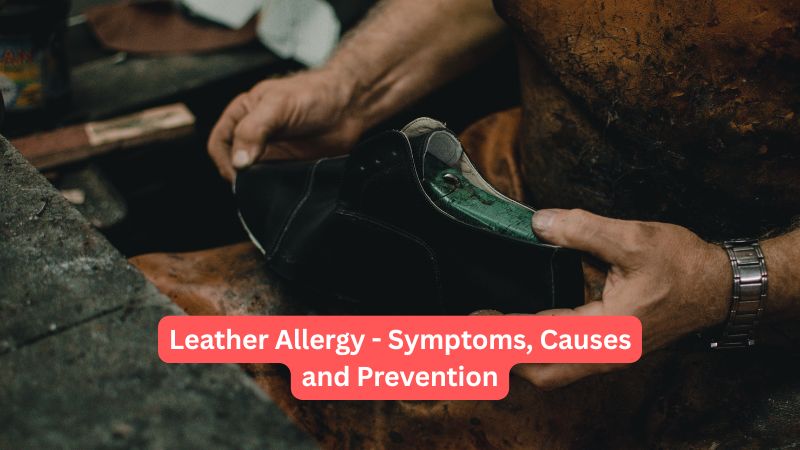
Leather allergy is not caused by the leather itself but by the chrome present in it. Chromium is often used in the tanning process, and several leather products contain chrome. Leather allergy causes contact dermatitis, a common skin condition characterized by inflammation and irritation when the skin comes into contact with allergens or irritants.
Chromium is used in construction materials. Several well-known car companies, such as Volvo, avoid chromium in their leather seats. The amount of chromium used in leather products varies from company to company. People with chromium allergies cannot use these leather products and must avoid them.
Symptoms of Leather Allergy
Leather allergies are caused by chemicals like chromium salts used in leather tanning. The symptoms given below could appear within hours of contact.
The symptoms range from mild irritation to more severe discomfort. Be aware of these symptoms to avoid prolonged exposure and seek appropriate treatment. Common symptoms include:
- Rash – Small or widespread patches of inflamed skin, developing shortly after wearing leather items.
- Redness – Visible redness around the affected area, skin irritation, inflammation.
- Blisters – Fluid-filled bumps that may form when the skin reacts strongly to the allergen.
- Itchiness – Urge to scratch that can worsen the irritation and delay healing.
- Hives – Raised, itchy welts that appear suddenly and spread over a larger area of the skin.
Symptoms typically arise within 12 to 72 hours after exposure to the allergen, and they can persist for weeks if not treated properly [5].

Causes of Leather Allergy
Leather allergy is triggered by chemicals and substances used during the manufacturing and finishing process of leather goods. These allergens affect you when they come into direct contact with your skin through items like shoes, belts, watch straps, gloves, or furniture upholstery. Primary causes include:
- Adhesives – Glues used in bonding leather parts contain strong chemicals that irritate sensitive skin.
- Rubber chemicals – Additives found in rubber soles, trims, or linings of leather items trigger allergic contact dermatitis.
- Preservatives – Chemicals added to prevent mold or decay during storage and shipping cause skin irritation on prolonged exposure.
- Chromium – A common tanning agent in leather processing; chromium salts (especially chromium VI) are among the leading causes of leather allergies.
Chromium salts, particularly Cr(III) and Cr(VI), are known to cause allergic reactions in sensitive individuals [2]. Prolonged exposure to chromium-tanned leather can elicit allergic contact dermatitis, especially in those who have a history of sensitivity [4].
Leather Allergy from Car Seats, Sofas, and Furniture
Many people first notice a leather allergy not from shoes or belts, but from where they sit. A rash on the backs of the thighs, arms, back, or hands often points to a car seat, office chair, recliner, sofa, or steering wheel. It tends to appear where bare skin rests on the leather for a long time, which is why it is worse in shorts or short sleeves.
Some imported leather furniture has also caused a problem called sofa dermatitis. It comes from an anti-mold chemical, dimethyl fumarate, placed in packets with the furniture during shipping. This can lead to a stubborn rash or even chemical burns. The chemical is now banned in many places, but older pieces can still carry it.
Simple ways to get relief:
- Put a cotton or fabric cover on the car seat, steering wheel, or chair.
- Wear long sleeves and trousers when you sit on leather for a long time.
- Air out a new car or new leather furniture for a few weeks.
- Choose fabric or chrome-free furniture if the rash keeps coming back.
If a new car or new leather smell makes you sneeze or cough, it is usually irritation from the chemicals off-gassing, not a skin allergy. It often eases as the item airs out. See a skin doctor if the rash lasts or spreads. (DermNet)
Prevention of leather allergy?
- Use chrome-free leather products.
- If any footwear is causing an allergy, one must avoid using it.
- One can switch to other products, thus avoiding leather products.
- One must check with one’s allergist if one suffers from a chromium allergy.
Awareness of potential allergens and choosing alternative materials can significantly reduce the risk of developing an allergy [6].
Real Leather vs Fake (PU) Leather: Both Can Cause a Reaction
People often think only real leather causes trouble. Fake leather can too, but for different reasons.
| Type | What Usually Triggers a Reaction |
|---|---|
| Real leather | Chromium and other tanning agents, dyes, and glues |
| Fake leather (PU, faux, vinyl) | Plastics, dyes, rubber additives, and adhesives |
Switching to faux leather doesn’t always fix the problem. If you react to both, a patch test can find the exact chemical, and you can then pick products that leave it out.
Tests for leather allergy
Skin prick and blood tests can detect leather allergy. An allergist performs such tests to see if one is allergic to chromium. Patch testing is particularly useful for diagnosing contact dermatitis related to chromium exposure [3].
Leather is a valuable material used to make many dairy products. Yet some are allergic to it and cannot use such products.
Leather Allergy FAQ
How do I know if I’m allergic to leather?
Leather allergies are one of the most common forms of allergic contact dermatitis and can be caused by any leather product. Symptoms may include redness, itchiness, and swelling. Identifying which products you are sensitive to and avoiding them altogether is essential. If that isn’t possible, try a milder form of the product (like sheepskin) or use it only in limited areas. And lastly, take allergy medication as prescribed if necessary [5].
Can you be allergic to leather gloves?
You can be allergic to leather gloves. This is because leather contains a protein called allergen-binding globulin (ABG), which can cause an immune reaction in some people [1]. If you experience difficulty breathing, hives, or other symptoms after wearing these gloves, avoid them and try another type instead.
How do you treat leather allergies?
If you are experiencing leather allergies, the first step is identifying the allergen. You can do this by asking questions about your symptoms and then doing an elimination trial. You may need to do a patch test if it’s unclear which item causes your allergic reaction [5]. After identifying the allergen, treatment options include over-the-counter or prescription medications containing antihistamines or corticosteroids. In severe cases, epinephrine (adrenaline) injections may also be necessary for individuals with severe reactions.
People with leather allergies should try to understand the causes and symptoms. It helps make informed choices about exposure to products containing chromium and other potential allergens. The key strategies for managing the condition effectively are awareness and avoidance.
Is leather hypoallergenic?
No. Leather is not hypoallergenic. Most leather is tanned with chromium and finished with dyes and glues, and any of these can irritate sensitive skin. If leather bothers you, look for chrome-free or vegetable-tanned options, or use fabric instead.
Can fake or PU leather cause an allergy?
Yes. Fake leather, also called PU or vinyl, is made with plastics, dyes, rubber, and glues. Any of these can cause a rash in some people. So a reaction to fake leather is possible even though it has no chromium.
Can the smell of new leather or a new car cause sneezing or coughing?
It can for some people. New leather gives off chemical fumes as it airs out, and this can irritate the nose and throat. It is usually short-term irritation, not a true allergy, and it fades as the smell goes away.
What does a leather allergy rash look like?
It usually looks like red, itchy, swollen skin right where the leather touched you. You may see small bumps, dry flaky patches, or fluid-filled blisters in stronger reactions. It often takes a day or two to show up.

8 Comments
I bought an expensive Mercedez car with a beautiful leather car seats. I have serious allergy with the leather seats. I have rashes and serious itchy almost everyday. And I wander there is any way to prevent the rashes and itchy. And how to prevent the rashes and itchy if I keep continue use the car.
i have this chromate alergy and i’m unable to wear a wrist watch made of leather neither can i wear a belt. where can i buy a leather belt made without chromate?
I will not be tackling the leather seats issue since I have no idea how much (or where,) to get a car reupholstered. Apologies. The leather-wear is, however, a different story.
Leather belts that are vegetable-tanned contain no chromium and can be purchased on many leather sites under specific sub-categories. I would not recommend buying a vegetab;e tanned belt since most are extremely expensive since they use vegetable oil instead of the more common chemically rich tanning oils. However, if you are at all handy, or arts & crafts inclined, I recommend making your own belt from vegetable tanned leather from theleatherguy.com, waterhouseleather.com, or buckskinleather.com. They all sell large quantities of leather, but on average, for a small project, prices will usually range from $6.99 to $9.99 per square foot. For a small project, it will probably be necessary to buy a few square foot or see if the have stripes for sale, which I believe Waterhouse Leather has in stock. Buckles are cheap, as are and sort of rivets, buttons, etcetera, that will hold the buckle on and the belt together. Since the allergy may not be soley due to chromium, but nickel as well since nearly one ot of five Americans are allergic to both chromium and nickel, make sure you get a steel or some other metal that does not contain nickel. It is really quite easy. Making a belt or wristband, or any other piece of leather apparel is actually fairly simple. I have made a few belts that I have sold and have had no complaints as per quality or durability. Best of luck.
Generally people wear belts OVER trousers, how on earth is your belt even in contact with skin? :/
It’s called having a gut mate
I think leather need not be in direct contact with skin to make allergy.My wallet in my pocket cause allergy on my skin.But there is cloth in between.
WHEN I SIT ON MY EXXPENSIVE LEATHER 3 PIECE SUIT I FEEL THE SMELL GIVES ME A MUCUS ALLERGY?
Have a few food alergies, not serious just annoying. When we bought our first leather chair, i started to sneeze and have a runny nose. Any suggustions?