

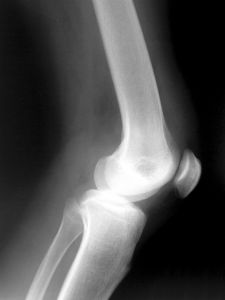
 As one grows older, one suffers from joint pains. Arthritis, rheumatism can very painful. An older person can find it difficult to move around. The cold weather can make it much more difficult to move one’s limbs freely. Those suffering from joint pains either take medication or go in for specific exercises. The other way out to is to ensure proper diet and also take adequate vitamins.
What kind of diet good is for joint pains?
- One must eat lots of vegetables and fruits
- One must go in for low saturated fats as well as low cholesterol diet
- Moderate sugar consumption is preferred. One can perhaps take sugar substitutes
- One can take alcohol, but it must be in moderation
- One must avoid the use of tobacco
- One must have about 8 glasses of water
Specific nutrition for specific joint condition
Ankylosing Spondylitis- This is a type of chronic inflammation of one’s spine as well as sacroiliac joints. Chronic inflammation causes much pain as well as stiffness around the joints. One can avoid foods such as tomatoes, potatoes, peppers, cherries, paprika which can cause an increase in inflammation. Primrose oil is good and one must have plenty of water. The intake of Vitamin C, D and E is very essential.
Fibromyalgia as well as Nutrition
One must control the intake of refined sugar, alcohol, caffeine, fried foods, alcohol, highly processed foods and red meat. One must also take plenty of fruits as well as vegetables and have about 6 glasses of water every day. Lean chicken, as well as fish, are good sources of protein.
Gout as well as Nutrition
Gout is due to an inherent abnormality in one’s body to process uric acid. One must take foods that are rich in purine such as meats that can heighten the uric acid levels within one’s body. Foods that contain purine are beer as well as alcohol, anchovies, fish roes, sardines in oil, herring yeast, organ meat (liver, kidney), legumes (peas as well as dried beans), mushrooms spinach, cauliflower, gravies, meat extract. One can also take dark berries, maintain a healthy weight, fatty acids available in salmon fish, olive oil, nuts etc.
Juvenile arthritis
Children often tend to have a poor appetite and eat less and suffer from weight loss. One must eat plenty of fruits and vegetables. Having lots of meat and poultry is also good. One must consult a nutritionist.
Lupus as well as nutrition
One must take a well-balanced diet. One must maintain a healthy weight. A nutritious diet helps manage inflammation and supports the immune system in lupus patients. Balanced meals rich in vitamins and omega-3s reduces joint pain and improve overall well-being.
Osteoarthritis as well as nutrition
One must take cold water fish and foods rich in antioxidants. One must take cold water fish and foods rich in antioxidants. Vitamins D, C, and E play a key role in supporting joint health and reducing inflammation in osteoarthritis.
Psoriatic Arthritis as well as Nutrition
This involves chronic skin scaling and of course changes in one’s fingernails. It is also due to food allergies as well as intolerances.
Rheumatoid arthritis
One must take food containing folic acid, vitamin B6, E, B12, magnesium zinc as well as selenium. Healthy weight levels is very essential.
Vitamins for joint pains
| Vitamin / Nutrient | Main Function for Joints | Rich Food Sources |
|---|---|---|
| Vitamin D | Calcium absorption, bone strength, may reduce inflammation | Sunlight, fortified milk, salmon, egg yolk, cod liver oil |
| Vitamin C | Collagen synthesis for cartilage; antioxidant protection | Citrus fruits, strawberries, kiwi, bell peppers, broccoli |
| Vitamin E | Antioxidant that helps limit oxidative stress in joints | Almonds, sunflower seeds, spinach, avocado |
| Vitamin K | Supports bone mineralization and cartilage health | Kale, spinach, broccoli, cabbage |
| Vitamin B12 | Nerve support; low levels can contribute to musculoskeletal pain | Fish, meat, eggs, dairy, fortified cereals |
| Vitamin B6 | Involved in inflammatory pathways; may help stiffness | Bananas, chickpeas, poultry, potatoes |
| Vitamin A | Immune support and tissue repair (including joint tissues) | Carrots, sweet potatoes, liver, leafy greens |
| Folate (Vitamin B9) | Cell repair and growth; may aid recovery of joint tissues | Leafy greens, legumes, asparagus, fortified grains |
| Omega-3 (bonus) | Not a vitamin; helps reduce joint inflammation and stiffness | Fatty fish (salmon, sardines), flaxseeds, chia seeds, walnuts |
Proper diet control and taking necessary vitamins are good to maintain better control over joint pains.
