

After combing your hair or washing it, do you see lots of hair in your comb and hand? Typically, 50 to 100 hair strands are shed daily. However, once the shedding exceeds this limit, it is called hair loss. Irrespective of gender and age, hair loss is doubtlessly annoying, disappointing, and frightening for all. Are you facing a dreadful hair loss like nothing you have experienced before? Well, you may be suffering from Telogen Effluvium. To understand this issue better, first, you should get an idea of the hair growth cycle.
What is the hair growth cycle?
Anagen stage – This flat, rising stage is frequently flanked by two to seven years. The standard speed of growth is about six inches (15cm) every year, with all hairs rising at approximately a similar pace, depending on one’s age, physical condition, and hereditary structure.
Catagen stage – This change stage lasts approximately two to four weeks. Now, the hair beam separates from the dermal papilla and moves up inside a constricting follicle.
Telogen stage – This latent era lasts for three months, allowing the hair to separate itself, starting the follicle before lessening out. At this end, the series repeats itself.
Exogen Stage – The last telogen stage, during which the old hair sheds and new hair grows.
This is called the hair growth cycle. Every hair can be at a different stage of the growth cycle at any point in time. This balance among the stages is essential to maintaining hair thickness.
Typically, 80% to 90% of a person’s follicles are in the anagen phase, which encourages hair growth in length and thickness. However, this growth cycle can be altered by some circumstances, and more follicles jump into the telogen phase. This will trigger hair loss as the new hairs cannot grow from resting follicles.
What is Telogen Effluvium?
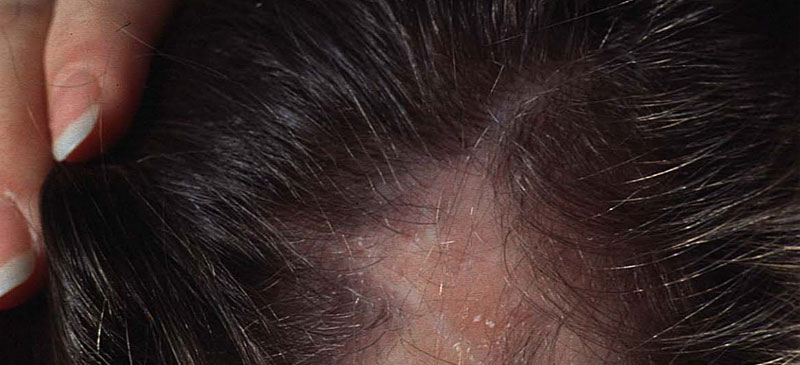
Telogen Efflux is a common form of hair loss that occurs when a larger portion (than average) of your hair follicles enter the resting phase and stay there for a longer period. This results in increased hair loss coupled with no new hair growth, which causes significant thinning of hair. It can even cause partial balding.
When hair loss becomes persistent and when it leads to thinning that is visible, people might want to go for hair restoration and and dietary changes. Hair transplantation should be considered for long-term recovery in this scenario. Learn more about how hair restoration techniques are helping individuals regain both hair density and confidence.
What causes Telogen effluvium?
Telogen effluvium happens not by just one thing. Rather, it is usually brought about by many reasons ( that are more likely concurrently), such as:
- Major physical trauma
- Stress and strain
- Scalp infections
- Delivery
- High fever, severe infection, or other illness
- Excessive weight loss
- Surgery
- An extreme change in diet
- Poor blood circulation
- Exposed to severe pollution
- Iron deficiency
- Hypothyroidism or hyperthyroidism
- Some medications
- Hormonal imbalance
Even after hitting this condition, one usually starts to experience hair loss only after 2 to 4 months, as hairs that enter the telogen take two to four months to fall.
Analysis of telogen effluvium involves a three-step process –
- Evaluate the kind of hair loss experienced – usually, telogen effluvium is typified by a fast tapering through the scalp rather than the restricted loss apparent in most other conditions.
- Analyse the year’s proceedings over the earlier six months – characteristically, several shocking occasions will have happened.
- Undertake a hormone test to rule out other abnormalities.
The good news is that telogen effluvium is fully reversible, which means the lost hair will grow back. Identifying and eliminating the cause is very important, though. Here are some means to deal with telogen effluvium.
Trigger Factors for Telogen Effluvium
Below is a table with various trigger factors for Telogen Effluvium:
| Initiating Factors | Explanation | Preventative Measures |
|---|---|---|
| Tension | Both emotional and physical tension can initiate hair shedding. | Methods to manage stress, physical activity |
| Hormonal Fluctuations | Life stages like childbirth, hormonal shifts, and menopause can be factors. | Seek medical advice, hormone treatments |
| Medical Procedures | Significant surgical interventions can affect the hair’s growth cycle. | Effective post-surgery care |
| Pharmaceuticals | Certain medications, including some mood stabilizers, can cause hair to shed. | Discuss medication alternatives with a physician |
| Inadequate Nutrition | Insufficient levels of crucial nutrients like protein and iron can impact hair health. | Nutrient-rich diet, supplements as needed |
| Glandular Issues | Hair loss can be a symptom of either an overactive or underactive thyroid. | Regular medical monitoring, medication as prescribed |
| Sickness or Disease | Acute illnesses can result in temporary hair shedding. | Immediate medical treatment |
| Rapid Weight Loss | Abrupt or severe loss of weight can disturb regular bodily functions, including hair growth. | Eat a balanced diet, consult a healthcare specialist |
How to cope with Telogen Effluvium
1. Style your hair
Even though reversible, it will take some time to come out of this situation. For some people, it will even take around a year. Hair is something that boosts your self-esteem, no doubt. For the time being, depending on the severity of the thinning of hair:
- Opt for a haircut that gives your hair a bouncy and thick appearance
- Use a wig or hair extensions if necessary
- Practice hairstyles that hide the hair loss
- Highlight or lowlight also helps the hair to appear thick and bouncy. But never attempt it frequently, as it may hinder hair growth.
2. Take care of your hair
Wash your hair regularly: It is a misconception that it will increase hair loss. The hair already about to fall will fall even if you don’t wash your hair. Washing your hair thrice a week with a mild shampoo is beneficial in dealing with Telogen Effluvium. Conditioners can cause harm, though. You can also use one cup of apple cider vinegar in a bucket of water to rinse your hair. This will help to bring down the chances of infections in the scalp.
Dry gently: After washing the hair, gently dry your hair. Never attempt to blow dry. Instead of drying with a towel. Never rub vigorously.
Medicines: Sometimes, the doctor prescribes some medication (lotion) applied to the scalp that encourages hair growth. Use this as per the doctor’s instructions.
3. Eat nutritious food
Include a lot of fruits, vegetables, and foods rich in protein, zinc, iron, and B vitamins in your diet. All these play an essential role in promoting hair growth.
4. Sleep well
Try to get enough sleep during the night. Insufficient sleep triggers hair loss. Therefore, sleeping well is necessary if you already suffer from Telogen effluvium.
Poor sleep contributes to Telogen Effluvium (TE), a common hair loss condition. It does so by increasing stress and anxiety levels. Lack of sleep worsens trichodynia. A scalp discomfort that is associated with hair diseases like TE. The neuropeptide “substance P plays a role in these scalp and hair conditions. (1)
5. Maintain hormone balance
Never eat, drink, or do anything that hampers your hormonal balance, like avoiding eating meats and food treated with hormones. The skin acts like an endocrine organ, capable of producing various hormones(Androgens like testosterone, dihydrotestosterone, dehydroepiandrosterone sulfate, and androstenedione) that affect hair growth. Hormonal influences on hair follicles are well known, but more research is required to fully understand how hormones regulate hair growth. (2
6. Relax
Practice stress management. Stress is an important factor that brings about several health issues and is one of the significant root causes of hair loss. Telogen effluvium is affected by the action of stress that suddenly prompts a large portion of actively growing hairs to shift into a resting phase. This action halts hair growth for about 1 to 6 months. It usually goes unnoticed by the person who is undergoing this. When hair growth resumes, the resting hairs are shed, leading to much hair loss. (3)
7. Massaging the scalp
Massaging increases the blood circulation in the scalp. This will enhance the hair growth. Head massage is also an excellent means to get rid of the stress. Mechanical stress from scalp massage alters gene expression in human dermal papilla cells. This massage targets dermal papilla cells in the subcutaneous tissue, increasing hair thickness. (4)
8. Change the medicines
Some antidepressants, antibiotics, and hormone medicines can trigger hair loss. If you doubt some medicine behind the hair fall, consult your doctor to switch to a medicine that has less impact on hair growth.
9. Take supplements
There are hair supplements that enhance hair growth. However, before taking one, you should consult your doctor.
10. Avoid chemical treatments
Any chemical treatment, like coloring, bleaching, etc., can hinder hair growth. Overexposure to heat also has the same effect. If you are already suffering from Telogen Effluvium, these will delay the growing back of healthy hair. Therefore, stay away from any chemical treatment for your hair.
References
- Programa de em Medicina Translacional, Universidade Federal de Sao Paulo – https://pubmed.ncbi.nlm.nih.gov/33387387/
- Department of Gynaecological Endocrinology, Medical University of Warsaw – https://www.ncbi.nlm.nih.gov/pmc/articles/PMC7432488/
- Elizabeth C. Hughes; Dahlia Saleh – https://www.ncbi.nlm.nih.gov/books/NBK430848/
- Men’s Health Clinic Tokyo, Tokyo, Japan; Reconstructive and Aesthetic Surgery, Nippon Medical School, Tokyo, Japan – https://pubmed.ncbi.nlm.nih.gov/26904154/

1 Comment
Hi I m suffering frm tellogen effluvium and I loose more then 150 hairs daily after wash I loose about 400 strands wht to do