

Canker sores are infections that appear inside the mouth and are very painful. They are recurring ulcers (white spots) that are very sensitive. These sores appear inside the mouth, on the cheeks or on the edge of the tongue, mainly on the soft internal tissues. It is generally believed that certain factors like stress, poor dental hygiene, candidiasis, food allergies, and nutritional deficiencies are responsible for this infection. Canker sores are a common ailment that can affect almost anyone. Medically, it is called aphthous stomatitis.
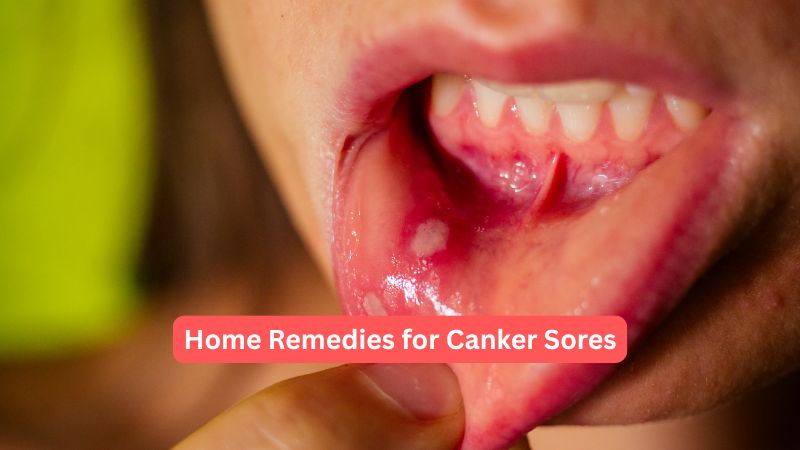
Canker Sore vs Cold Sore: How to Tell the Difference
Many people mix up canker sores and cold sores, but they are not the same thing. The easiest way to tell them apart is where they appear and whether they spread. Canker sores form inside the mouth and are not contagious, while cold sores appear outside on or around the lips and are caused by a virus that can spread to others. The table below shows the main differences.
| Feature | Canker Sore | Cold Sore |
|---|---|---|
| Where it appears | Inside the mouth (cheeks, tongue, gums, inner lips) | Outside, on or around the lips, nose, or chin |
| Cause | Stress, injury, food triggers, nutritional gaps | Herpes simplex virus type 1 (HSV-1) |
| Contagious? | No | Yes, very |
| Look | Shallow ulcer with a white or gray center and a red border | Fluid-filled blisters that break and crust over |
| Healing time | Usually 1 to 2 weeks | Usually 2 to 3 weeks |
For more detail, the Cleveland Clinic explains both canker sores and cold sores in plain language.
What are the causes of canker sores?
- Over consumption of items like eggs, wheat, pork, oranges, honey and brewer’s yeast can cause this infection.
- Canker sores can also occur due to local injury in the mouth caused by activities like brushing your teeth too hard.
- Consumption of sharp or hard foods, or chewing, can also cause canker sores
- Acidity in the stomach can trigger this problem.
- Nutritional deficiencies (Deficiencies in iron, zinc, B12, and folic acid) can cause this problem.
What are the symptoms of canker sores?
- It is painful and irritates while eating or talking
- Causes a burning sensation when consuming hot beverages
- Swollen lymph nodes characterize Canker sores. They begin as round swellings or reddish oval swellings in the mouth.
- In severe cases, there is high fever.
- Severe and chronic canker sores may leave scars. Always consult a doctor if it continues for more than 2 to 3 week.
Home remedy for canker sores
- Avoid eating sweets and too many citrus fruits. Also avoid eating refined and processed foods, coffee, and sugar.
- Avoid taking foods containing acids like sodas.
- Do not have grain foods if you are suffering from canker sores.
- Avoid taking chewing gum, lozenges with sugar, and candy.
- Regularly consume those products that contain acidophilus, such as yogurt, cottage cheese or buttermilk.
- Use of aloe juice as a mouth rinse regularly as it is a great measure to get rid of this painful infection. Also, using antacid formulas such as Mylanta and Milk of Magnesia as a mouth rinse can be very effective.
- Application of preservative alum can also be a very good remedy.
- Baking soda is another important remedy. You can use it as a powder directly on the sore or make it into a paste and apply it. Use it several times daily.
- Copper sulfate is an old and effective remedy for canker sores . It is an astringent and is also known as “lunar caustic.” .
- The extract of grapefruit seed is a great remedy. Use five or six drops in a glass of water and use as a mouthwash once daily. It is an excellent disinfectant.
- Application of raw onion on the sore is also very effective.
- Hydrogen peroxide may also be used as an effective mouthwash to cure this problem.
- Chewing and consuming papaya fruit or fresh papaya leaves daily can help clear canker sores.
- Take a mixture of 2 tablespoons of plum juice and use it as a mouth rinse.
More Home Remedies for Canker Sores
Alongside the remedies above, a few simple kitchen and pharmacy items can ease the pain and help a canker sore heal faster. Start with the gentlest option and stop anything that stings too much.
| Remedy | How to Use It | Why It May Help |
|---|---|---|
| Salt water rinse | Mix half a teaspoon of salt in a cup of warm water, swish for about 30 seconds, then spit. Repeat a few times a day. | Cleans the sore and may reduce swelling and pain |
| Honey | Dab a little raw honey on the sore two to three times a day. | Soothes the area and has natural antibacterial action |
| Coconut oil | Apply a small amount directly on the sore. | Coats the sore and calms irritation |
| Chamomile tea bag | Press a cooled, damp chamomile tea bag on the sore for a few minutes. | Soothes pain and helps in healing |
| Ice or cold water | Hold a small piece of ice or sip cold water near the sore. | Numbs the area and eases pain and burning |
| SLS-free toothpaste | Switch to a toothpaste without sodium lauryl sulfate (SLS). | SLS can irritate the mouth and trigger sores in some people |
If a sore is very large, very painful, or lasts longer than two weeks, see a dentist or doctor instead of relying on home care.
Foods to Eat and Avoid with Canker Sores
What you eat can make a canker sore feel better or worse. Soft, mild foods are easier on the sore, while spicy, acidic, and rough foods tend to sting. Use this quick guide.
| Foods That May Help | Foods to Avoid |
|---|---|
| Yogurt and other soft dairy | Citrus fruits like oranges and lemons |
| Bananas and other soft fruits | Spicy foods and hot sauces |
| Oatmeal and soft cooked grains | Salty or crunchy snacks like chips |
| Cool soups and smoothies | Sodas and other acidic drinks |
| Iron, zinc, and B vitamin-rich foods | Very hot drinks like coffee and tea |
Since low levels of iron, zinc, vitamin B12, and folic acid are linked with canker sores, eating a balanced diet with these nutrients may help lower how often they come back.
Canker Sores FAQs
What is the fastest way to get rid of a canker sore?
There is no instant cure, but you can speed up relief. Rinse with warm salt water, dab on a little honey, and avoid spicy, acidic, and rough foods. Over-the-counter numbing gels can ease the pain while the sore heals on its own.
Are canker sores contagious?
No. A virus doesn’t cause canker sores and doesn’t spread from person to person. This differs from contagious cold sores.
How long do canker sores last?
Most small canker sores heal on their own in one to two weeks, and the pain usually eases after a few days. Larger sores can take up to four weeks and may leave a small scar.
What vitamin deficiency causes canker sores?
Low levels of iron, zinc, vitamin B12, and folic acid are linked with canker sores. If you get them often, ask your doctor to check for these deficiencies.
When should you see a doctor about a canker sore?
See a doctor or dentist if a sore lasts more than two to three weeks, keeps coming back, is unusually large, or comes with a high fever. These may need medical treatment.
