

Several names, such as acid reflux, extreme heartburn, acidity, and GERD, are used to describe hyperacidity. This problem occurs when stomach acid irritates the esophagus. The main cause is the food we eat. Others, like constipation, pregnancy, and obesity, put pressure on the stomach, causing the problem.
Home Remedies for Hyperacidity
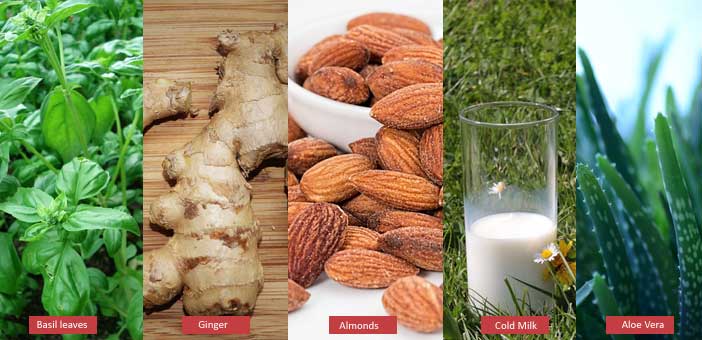
Many simple, readily available natural remedies like ginger, aloe vera, and basil leaves can effectively treat these problems.
Basil leaves
Chewing a few basil leaves, ideally on an empty stomach, helps control stomach acid levels. This helps alleviate symptoms and provide relief and is one of the best home remedies for hyperacidity and heartburn. Basil is thought to raise the protective mucus in the stomach lining, which shields it from acid. Wash the leaves well and chew four or five, or steep them in warm water and sip.
Ginger
You can drink fresh ginger juice mixed with honey right after meals. This helps normalize stomach acid levels and provides relief. This remedy helps with both problems. Ginger is anti-inflammatory and helps the stomach empty faster, so acid is less likely to back up. You can also sip warm ginger tea. Keep the amount small, since too much ginger can cause heartburn in some people.
Vanilla ice cream
This is one of the yummiest and most enjoyable home remedies for heartburn. It helps cool down the system and makes you feel better. The cold gives quick, soothing relief. Keep the portion small, though, since full-fat dairy is heavy and can trigger reflux in some people. If it makes you feel worse, skip it and try cold low-fat milk instead.
Almonds
You can munch on one or two almonds whenever you experience heartburn. They can help relieve discomfort. Almonds are alkaline and may help soak up and buffer some of the acid. Chew them slowly and well, and choose plain, unsalted almonds.
Aloe vera
This is an excellent remedy for stomach problems, as it has curative properties while also soothing the system. You can consume it fresh as gel or juice. Aloe vera cools and soothes the food pipe and the stomach lining. Use purified aloe vera juice made for drinking, since the raw yellow part can act as a laxative.
Buttermilk
Drink diluted buttermilk with a pinch of powdered pepper every day. It soothes the system and relieves both problems. Buttermilk, or chaas, has lactic acid and good bacteria that calm the stomach and cool the burn. You can also add a pinch of roasted cumin. Have it fresh.
Cold milk
You can drink cold, fat-free milk every few hours. It is one of the most effective remedies for both these problems. Cold, fat-free milk can act as a quick buffer against the acid and ease the burning for a while. Keep it fat-free, since full-fat milk can worsen reflux. It is a short-term fix, not a cure.
Fennel seeds (Saunf)
Chew half a teaspoon of fennel seeds after meals, or steep them in warm water and sip. Fennel soothes the gut and eases the gas and bloating that often come with acidity.
Cumin water (Jeera)
Boil a teaspoon of cumin seeds in a glass of water, let it cool, and sip it. Cumin water is a simple, old remedy that calms the stomach and helps digestion.
Cold coconut water
A glass of tender coconut water is cooling and mildly alkaline, so that it can settle the burning. It also replaces lost fluids and salts. Drink it plain, and not chilled to icy cold.
Banana
A ripe banana is low in acid and gently coats the stomach lining, which can ease the burn. It is a handy snack between meals when acidity strikes.
Some of the other remedies include –
- Keep away from stress. Do yoga and meditation.
- Light massage also helps in keeping a tap on stress.
- Morning walk on an empty stomach or light exercises go a long way in curing this problem.
- Avoid painkillers on an empty stomach, especially Aspirin.
What is Hyper-acidity?
Hyperacidity is the excessive production of gastric acid in the stomach. Heartburn is chest pain and discomfort caused by reflux of this excess acid into the esophagus or food pipe. These problems are interrelated and can be cured with simple home remedies like basil leaves, ginger, and almonds.
What should be the diet for Acidity?
Fresh, ripe fruits like watermelons, apples, and bananas are beneficial. Including fresh green leafy vegetables in the daily diet is also advisable. Drink as much water as possible. Eat meals at the same time every day as much as possible, and do not skip meals. Avoid spicy, fatty foods and foods containing onions, garlic, radish, and pepper. Here is a list of foods that one should eat if suffering from this condition –
- Fruits – Fruits like banana, papaya, raw coconut pulp and its water, cucumber, sapodilla, phalsa and pomegranate are beneficial.
- Vegetables – Carrot, radish, bitter gourd, turnip, bottle gourd, snake gourd, and cucumber are good for this condition.
- Milk – Taking a cup of cold milk 3-4 times a day helps.
- Water – Drinking 1-2 glasses of water every day in the morning on an empty stomach is advised.
What Foods to Avoid?

Avoid foods that may trigger heartburn or acidity. In addition to what you eat, it is also important to keep track of when to exercise and how much is safe. An empty stomach can also cause related symptoms.
Fatty or Junk Food – Having a big burger, French fries, or pizza could be an excellent way to start heartburn. Eating late at night could lead to hyperacidity.
Large meals – Having large meals with various foods could make people feel heavy in the stomach. This could affect the stomach’s acid flow and may be a primary cause of this problem. If that is not enough, the problem might return after the next meal.
List of Top Foods to avoid
- Oil or Fats – Foods that are fried or are rich in fats require more acid to digest. This causes acidity due to the release of extra acid in the stomach
- Citrus Fruits – These fruits are a storehouse of Vitamin C but cause problems too. Avoid oranges and even it juice if you are sensitive to it
- Caffeinated Drinks – Avoid drinks such as tea or coffee. Even soda or aerated drinks should be avoided
- Alcohol – All types of alcohol are bad especially red wine
- Frozen foods – These foods contain preservatives, which are the real cause of the problem. Avoid them
- Chocolate – All types of chocolates and peppermint causes acidity problems
- Tobacco – Any form of tobacco makes the problem worse. Cigarettes, smokeless tobacco, gutka, pan, and above all, some of the nicotine chewing gums.
Causes for Hyper Acidity
The leading cause of heartburn is acid reflux into the food pipe due to hyperacidity. Several reasons, like irregular meals, spicy foods, stress, insomnia, excessive smoking, or alcohol consumption, may cause hyperacidity. Sometimes, even ill-fitting, tight clothes can cause this problem.
Top Symptoms of Acidity
- Heartburn – Pain or burning sensation that originates from the stomach and goes up to the chest. The sensation can also go up to the throat. This problem, unlike its name, has nothing to do with heart
- Dyspepsia – Nausea and vomiting are some of the signs that cause discomfort in the stomach. Burping might be another sign, with bloating
- Regurgitation – Sometimes the acid in the stomach could go all the way up to the throat and could give a sour taste in the mouth. This could be followed up by a small bit of food from the stomach in the form of small vomits
- Asthma – If a person has asthma, the acid back into the esophagus could irritate the airways. This could worsen the asthma problem
- Bad Breath – Chronic cases could result in bad breath, which could cause a lot of discomfort
- Hoarseness – If the stomach acid goes into the larynx or pharynx, a sore throat might happen
- Laryngitis – Inflammation of the larynx might also happen due to acid in the throat for people affected by this problem for long
When to See a Doctor
Home remedies can help with an occasional bout of acidity. But some signs need a proper check, so do not just keep taking antacids. See a doctor if:
- Heartburn happens more than twice a week, or lasts more than two weeks.
- You find it hard or painful to swallow, or food feels stuck.
- You are losing weight without trying.
- You vomit blood, or your stools are black and tarry.
- You have chest pain, especially with sweating or breathlessness, which needs urgent care to rule out a heart.
Long-term acidity left untreated can harm the food pipe, so it is worth getting it checked. (NIDDK)
Hyperacidity FAQs
What is the best home remedy for hyperacidity?
There is no single best one. Cold, fat-free milk, buttermilk, banana, and fennel or cumin water are among the fastest for the burning feeling. Ginger and basil help too. Use them with smaller meals and avoid trigger foods.
How many days does it take to recover from hyperacidity?
A one-off bout usually settles within a day or two once you rest the stomach and avoid triggers. If it keeps coming back, it may be GERD, which is managed over time with diet and lifestyle rather than cured in a few days. See a doctor if it lasts more than two weeks.
Does cold milk help acidity?
Cold milk can provide quick relief by buffering acid, but only if it is fat-free. Full-fat milk and cream can make reflux worse for some people. So keep it plain and low-fat, and treat it as a short-term fix.
What lifestyle changes reduce acidity?
Eat smaller meals, do not lie down for two to three hours after eating, and raise the head of your bed a little. Keep a healthy weight, wear loose clothing, cut down on smoking and alcohol, and manage stress.
Is hyperacidity curable?
Occasional acidity clears easily. Long-term reflux (GERD) is usually controlled rather than fully cured, but most people feel much better with diet, lifestyle changes, and, when needed, medicine from a doctor.
What foods should you avoid with hyperacidity?
Cut down on fried and fatty foods, spicy dishes, citrus, tomatoes, chocolate, mint, coffee, tea, fizzy drinks, and alcohol. Large, late-night meals are also a common trigger.
References
- National Institute of Diabetes and Digestive and Kidney Diseases (NIDDK) – Treatment for GER & GERD
- Johns Hopkins Medicine – GERD Diet: Foods That Help with Acid Reflux
