

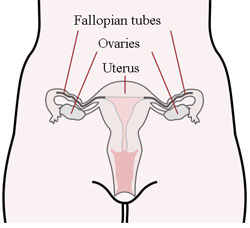
 Women are born with hundreds of thousands of follicles in their ovaries. Over the years eggs mature within these follicles and are released with every passing cycle. Eventually there are too few follicles left for cycles to continue. Menopause is defined as having no periods for 12 months.
The average age for menopause is about 50, but many women begin experiencing hormonal changes that signal the onset of menopause in their forties or even late thirties. This early stage, often referred to as the peri-menopause, is reminiscent of puberty. There may be skipped periods and, even during a regular cycle, ovulation may not occur which means progesterone levels fall. Progesterone has a very positive influence on the skin’s texture and appearance, as we know from pregnancy, so this is bad news for skin.
Final Flinc
During the peri-menopause, oestrogen seems to dominate the scene and this hormone imbal¬ance triggers symptoms similar to premenstrual ones. They include feelings of anxiety, tearful¬ness and irritability, as well as a tendency to fluid retention, headaches, poor digestion and even stomach cramps.
Because the ovaries respond spasmodically to follicle stimulating hormone (FSH) and luteiniz¬ing hormone (LH), the pituitary pumps up increasing amounts to goad them into action. High levels of FSH and LH hormones are responsible for hot flushes that make skin feel clammy.
When cycles eventually cease, oestrogen levels fall too. When this happens skin becomes drier and thinner which encourages fine lines. The tiny capillaries that nourish skin become fragile and visible beneath the surface. Such changes are similar to those of ageing. While the hormonal upheavals of menopause are a part of life, there are lots of natural ways to make the transition easier.
Fabulous Phytohormones -Nature’s Hrt
It has long been known that plants contain sub¬stances similar to human hormones. However, in the last decade research into these phytohormones has accelerated and findings so far hold enormous potential for women’s health and beauty.
Plant hormones come into their own around the time of menopause because of their ability to buffer hormonal fluctuations. This makes the transition smoother and less disruptive. They also seem to supplement the body’s own falling oestrogen and progesterone levels and so help to keep the skin looking younger for longer.
Know your phyto-oestrogens
Virtually every plant and plant food contains oestrogenic compounds. They belong to the broader family of flavonoids, plant substances with a phenolic structure similar to that of naturally produced oestrogens. This enables them to fit into oestrogen receptors. Although phyto-oestrogens are weaker than naturally produced oestrogens, they none the less seem to have a balancing influence within the body. They reduce the effects of excessive oestrogen and supplement falling levels. Studies suggest that women living in the Far East and Asia who eat lots of phyto-oestrogen rich foods sail through the menopause with ease. They suffer fewer, if any, hot flushes and emotional problems. Their bones stay stronger and they are less at risk of suffering from heart disease. These hormone enhancing benefits are also good news for the skin which ages faster when oestrogen levels fall.
The main families of phyto-oestrogens are Isoflavones – These are the most researched of all phyto-oestrogens. There are four main types of isoflavone: genistein, diadzein, biochanin and formononetin. Different foods contain varying amounts of these isoflavones, but the richest sources are soya beans (including soya milk, soya sauce and tofu), chickpeas, lentils and mung beans.
Ideally try to eat some of these foods each day. All four isoflavones are found in red clover, a highly prized Native American herb. It can be taken as an infusion or in supplement form
Lignans – These phytonutrients, like isoflav¬ones, appear to regulate the body’s oestrogen levels. Flax seeds (or linseeds) contain up to 800 times more lignans than most other plant foods.
Try adding a tablespoon of ground seeds to cereals and shakes, and use flax seed oil in salad dressings.
Replenishing progesterone
At present we know more about phyto-oestro¬gens than phytoprogesterones. The Mexican wild yam plant is the best-known natural source of a progesterone-like substance called dios-genin. From this compound, nature-identical progesterone is easily made. This is the active ingredient in natural progesterone creams and appears to be readily absorbed into the skin. Ordinary yams also appear to possess mild progestogenic qualities. Boiled, fried or roasted, they are popular in West African and Caribbean dishes.
