

The following are the pure, natural ingredients needed to make superb cleansers, Moisturizers, masks and body care preparations. Once you have these basics to hand you are one step closer to perfect skin.
Top 10 Natural Skin Care Herbs
1. Aloe Vera
From the rubbery leaves of this desert cactus plant comes a juice with exceptional Moisturizing and healing properties. Native Americans traditionally used poultices of aloe vera to reduce inflammation and soothe sunburn. Aloe vera juice is rich in antioxidant vitamins, essential amino acids, and minerals such as calcium, magnesium, manganese, zinc, potassium, and copper.
Other phytonutrients include saponins with mild antiseptic properties and anthraquinones which are anti-viral, antibiotic and anti-inflammatory, plus a hormone that accelerates wound healing.
As a gel, aloe vera is a helpful treatment for many skin conditions such as eczema, acne, psoriasis, hives, boils, burns and cuts.
2. Beeswax
A hard white or cream-colored wax made by honey bees. An essential ingredient in Moisturizers and nourishing creams, this wax acts as a thickener and emulsifier. It contains a mixture of fatty acids and esters that combine with oils to form an effective watertight film on the skin’s surface. I’ve specified white beeswax in the recipes because I prefer white-colored cream but either is fine to use.
3. Cocoa Butter
The beans from the cocoa or chocolate nut tree yield a rich, buttery substance that has wonderful skin-conditioning and softening qualities. Cocoa butter brings a quality of richness to creamy cleansers and Moisturizers. It comes as buttery colored flakes or in solid chunks rich in palmitic and oleic fatty acids.
4. Emulsifying wax or ointment
Emulsifying wax is a white waxy substance that enables oil and water (including herb and flower infusions) to blend. It is essential when making milk and creams. Without emulsifying wax, the ingredients will curdle and congeal.
5. Fuller’s earth
Soft brown clay with amazing powers of absorption, it is highly valued for its deep-cleansing properties. When used in face and body packs it draws out deeply ingrained impurities. Fuller’s earth is particularly rich in silica and other minerals which may to some extent be taken up by the skin. Useful as an occasional deep cleanse for normal and oily skins,- not recommended for fragile or delicate complexions.
6. Green Clay
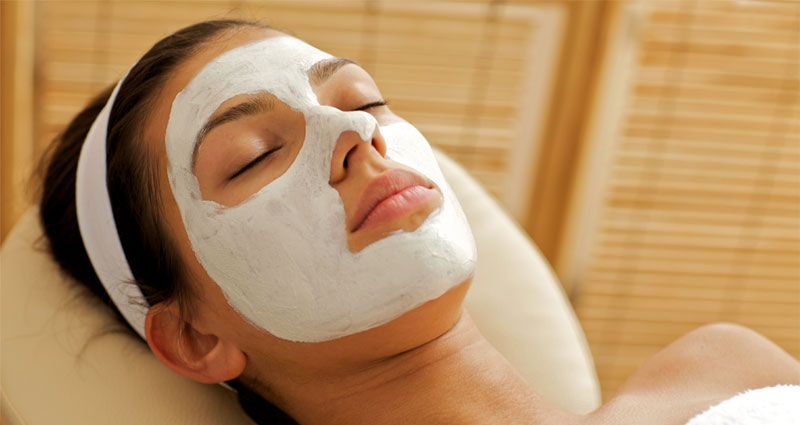
Clays were used by Egyptians, Greeks, and Romans to detoxify the system, heal wounds, relieve athletic aches and pains, rejuvenate the skin and promote a sense of well being. Green clay is one of the most useful cosmetic clays with its purifying, toning and revitalizing properties. Containing a wealth of minerals and trace elements such as silica, magnesium, titanium, iron, and calcium, it coaxes oily and dry skins towards normality. Green clay’s healing and slightly antiseptic properties make it good for clearing congestion and blemishes. Green clay is an ideal base for home-made masks.
7. Honey
Made by bees from nectar and other plant sub¬stances, honey is 98 percent sugars (fructose and glucose) and 2 percent enzymes, vitamins and minerals. Honey has long been prized for its skin-softening and moisturizing qualities. One of honey’s constituents, inhibine, has mild antiseptic properties making it helpful for treating acne-prone skin.
The best varieties are cold-pressed as heating destroys essential enzymes. Slight cloudiness indicates a high concentration of vitamin-enriched pollen. Honey brings harmonizing, healing and calming qualities to face masks and creams.
8. Kaolin
One of the finest clays, kaolin is a white powder with mild astringent qualities. As well as lifting impurities from the skin, it also improves lymphatic flow and increases blood circulation to the area. It is purifying and revitalizing and best for normal to oily skins. Kaolin combines well with yoghurt, honey, and fruit in face masks.
9. Milk
Cleopatra, the celebrated Egyptian queen, knew the beautifying properties of milk. This natural emulsion of oil droplets suspended in a watery solution (whey) makes milk a wonderful natural cleanser. As well as clarifying, milk nourishes and Moisturizes to leave skin silky soft. Research shows that the proteins in milk also stimulate the production of new collagen in the dermis to keep skin looking and feeling younger. For skin treatments choose whole milk as essential oils dissolve in the oily globules – try to use organic milk. Milk smells so much nicer when scented with rose or jasmine. If you are allergic or intolerant to cow’s milk, choose goat’s or ewe’s milk instead. Being rich in phytoestrogens, soya milk may be a good choice for more mature skins.
10. Moor
While clays are composed of minerals, moor is essentially organic for it is made from plants broken down over many years to form a dark brown paste. One of the most famous moors comes from the Neydharting Valley in Austria. Believed to be around 20,000 years old, it is formed from over 300 different medical plants including eye-bright, goldenrod, basil, mint, winter-berry, dandelion and valerian native to this area. The healing agents in these plants are reputedly preserved in the moor. Applied to the skin, moor cleanses, neutralizes bacteria, reduces inflammation and speeds healing. Added to baths, moor appears to increase circulation, oxygenation and might even help to restore hormone balance.
11. Mud
Muds are primarily used in spas as deep-heat treatments. They are mixed to a paste and applied warm to the skin so as to boost the blood flow and induce perspiration. Good for revitalizing dull and sallow-looking skin.
Enriching mud with nourishing vegetable oils and essential oils can enhance its therapeutic powers. Smooth over areas in need of revitalization, leave for 5-10 minutes before rinsing off. Avoid areas with broken capillaries or veins.
The rich black mud harvested from the bed of the Dead Sea has unique qualities which reflect its unusual origins. The Dead Sea is technically a land-locked lake located at 394 meters below sea-level at the deepest geological depression on the earth’s surface. This arid area is bathed in intense sunlight which promotes excessive evaporation so the sea salts are ten times more concentrated than those present in ordinary seawater.
The mineral composition is also different with a higher proportion of potassium, magnesium and bromide ions, which appear to have a soothing and sedating influence on the nervous system. This may explain why the Dead Sea mud and salts can benefit skin conditions like psoriasis, acne, and eczema which are aggravated by stress. For home treatment, Dead Sea salts can be added to the bath while the mud can be used as a skin treatment.
12. Yoghurt
When milk is spiked with bacteria such as Lactobacillus acidophilus and Bifidobacteria bifidum, it turns to yoghurt. Eating ‘live’ yoghurt favors the presence of friendly bacteria in the gut which in turn promote healthy digestion When applied to the skin, lactic acid (made from lactose sugar by the bacteria) acts as a mild exfoliator for sloughing away dead skin cells. Yoghurt brings clarifying and moisturizing qualities to face masks. Also, apply neat to the skin to soothe sunburn.
