

Valerian, a perennial herb classified under the Caprifoliaceae family, has a long history of medicinal use. Its scientific name is Valeriana officinalis. In Latin, valere means ‘to be strong’ or ‘to be in good health’. Valerian sits on the opposite side of the fragrance scale with a distinctive unpleasant smell, often compared to old socks. The high medicinal value of valerian has been recognised since the second century and is used to treat various ailments, although the way it is used has changed significantly over time. It grows in Britain, Northern Europe, China, and parts of South and North America.
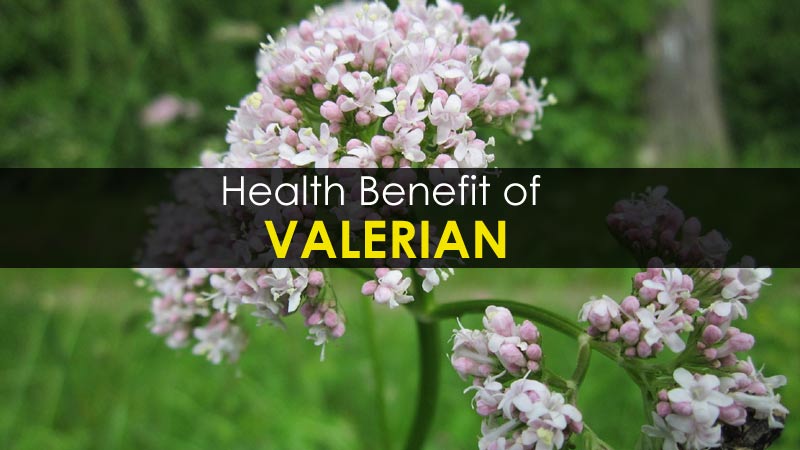
Common Names: Garden valerian, Garden heliotrope, Setwall, All-heal, Cut-Heal, and Vandal Root.
Scientific Name: Valeriana officinalis
Family: Caprifoliaceae (formerly classified as Valerianaceae)
Genus: Valeriana
Health Benefits of Valerian
A quick note before diving in. Valerian is one of the most popular herbal sleep aids in the world, but the clinical evidence behind it is mixed. Some studies show modest improvements in sleep quality, while others find effects no better than placebo. So while many people swear by it, do not expect it to work like a prescription sleep medicine. Treat it as a gentle herbal support that may help, especially as part of a good bedtime routine.
1. Natural remedy for sleep disorders
Its root has mild sedative properties and may help people fall asleep faster and improve sleep quality. Many users find it gentler than prescription sleep aids and report less morning grogginess, though some do experience next-day dullness or vivid dreams. The root is traditionally used for insomnia thanks to its muscle relaxing and sedative effects. Studies have shown valerian’s benefits tend to build up after a couple of weeks of consistent use rather than working from the first night.
2. Alleviates Depression and Anxiety
Valerian is thought to work by influencing gamma-aminobutyric acid (GABA) in the brain, the same neurotransmitter targeted by benzodiazepines like diazepam, though much more weakly. GABA helps to calm down the nerve cells and ease feelings of anxiety and stress. Valerian’s anti-anxiety effects are generally milder than prescription medications, with fewer significant side effects, but the clinical evidence is limited and inconsistent. It may help with mild day-to-day stress rather than treat clinical anxiety or depression, so anyone managing a diagnosed mood disorder should stick with their prescribed treatment and discuss valerian with their doctor first.
3. Eases Menstrual Cramps
Menstrual cramps are a common issue among women, especially those who suffer from PMS. The sedative and antispasmodic properties of the root make it a reasonable option for easing menstrual cramps without relying on painkillers. Depending on the intensity of the cramps, drinking 1 cup of valerian tea once or twice daily for 2 to 3 days before your period may help. Small studies have shown some benefit for dysmenorrhoea, although results vary from person to person.
4. May Support Healthy Blood Pressure
Some traditional sources suggest valerian helps with blood pressure due to its calming effect on the nervous system, since stress and poor sleep both contribute to higher BP. The direct evidence for valerian as a blood pressure lowering agent is, however, quite limited, and it should not replace prescribed antihypertensive medication. If you already have high BP, treat valerian as a relaxation aid at best and not a substitute for treatment.
5. Treats skin issues
Valerian oil, an essential oil extracted from the root by steam distillation, is sometimes used in skincare for its claimed antibacterial and calming properties. Some traditional uses include:
- Cleansing minor cuts, wounds, and bruises.
- Soothing inflamed or irritated skin.
- Adding a calming element to skincare routines.
The clinical evidence for valerian oil as a treatment for acne, eczema, psoriasis, or wrinkles is limited, so think of it as a gentle complementary option rather than a standalone treatment. If you do want to try it, mix about 2 to 3 drops of valerian oil with an equal amount of a carrier oil (like jojoba or sweet almond) and patch test on a small area first. You can also add a drop or two to your regular skincare products. For active acne, eczema, or psoriasis, modern dermatology offers much better evidence-backed treatments and a dermatologist consult is the better starting point.
6. Alleviate annoying symptoms of menopause
Valerian root has been studied for hot flashes during menopause. A small clinical trial found that taking 255 mg three times per day for several weeks helped reduce the frequency and intensity of hot flashes in some women, though the evidence base is still small. It may be worth a try as a non-hormonal option, but it is not a replacement for hormone therapy or other evidence-based menopause treatments if those are needed. As always, talk to your doctor, especially if you are on other medications.
7. May help with muscle-related back and nerve pain
Valerian may help when sciatica-like pain is driven by tight or spasmed muscles rather than nerve compression. The volatile oils in its root have a mild muscle-relaxing effect, which may ease tension and discomfort. It is not, however, a treatment for nerve damage or disc problems, and persistent sciatica should be properly evaluated by a doctor so that physiotherapy, modern pain relief, or imaging can be arranged if needed.
8. Heart health considerations
Valerian’s main contribution to heart health is indirect, by helping people sleep better and reducing stress, both of which are good for the cardiovascular system. The bigger claims about strengthening blood vessels or improving their elasticity are not well supported by clinical research.
People with heart rhythm disorders should be cautious with valerian. It can slow heart rate in some people and has been associated with arrhythmias in rare cases. Anyone on heart medications, particularly antiarrhythmics, beta blockers, or digoxin, should talk to their doctor before using valerian regularly.
9. Relieve Migraine & Headaches
By easing tension, anxiety, and poor sleep, valerian may indirectly reduce the frequency of stress-related headaches and tension headaches in some people. The direct evidence for treating migraines is limited, and migraine sufferers should not rely on valerian alone. Modern migraine care includes specific medications like triptans for acute attacks and newer CGRP-blocking drugs (such as erenumab, fremanezumab, or rimegepant) for prevention, all of which are far better studied.
10. Relieve Lower Back Pain
Its root may offer some help with low back pain, particularly when muscle tension is a contributing factor. A cup of valerian tea in the evening can be a soothing addition for those nights when tightness keeps you up. For ongoing or severe back pain, please get it properly assessed since causes range from posture and muscle strain to disc and joint issues, each with its own treatment approach.
FAQ about Valerian
Which part of valerian is beneficial?
The parts used include the root and the rhizomes (underground stem). Volatile oils like valerenic acid and less volatile sesquiterpenes and valepotriates are the active components in the root. These key ingredients are responsible for the calming and sedative effects of valerian on the central nervous system.
How to use Valerian?
The root of the plant is used fresh or dried. Fresh roots can be pressed into juice. Valerian is also available in several commercial forms, including capsules, tablets, tinctures, and tea.
- Capsule: Dried and powdered roots and dried extracts are used to make capsules and tablets. Available alone or combined with other calming herbs like hops, lemon balm, or passionflower.
- Tea: Add 1 teaspoon (2 to 3 grams) of the powder or dried root to 1 cup of boiling water and steep for 5 to 10 minutes. Valerian root tea bags are also widely available, and a 5 minute steep is usually enough.
- Tinctures: Tincturing with fresh root gives the best results, but dried valerian also works when fresh root is not available.
- Poultice: A poultice made from dried valerian root and a little warm water has traditionally been used to help draw out splinters, though this is more folklore than evidence-based.
- Oil: Valerian essential oil is extracted from the root by steam distillation and used in aromatherapy and topical preparations.
Dosage of Valerian
The herb is generally recommended for short-term use, typically two to four weeks at a stretch, followed by a break of similar length. Long-term safety has not been well studied.
The dosage depends on the cause and varies from person to person. Common dosing guidance is as follows:
- Tea: 1 to 2 cups per day, often best in the evening for sleep.
- Tincture: 1 to 3 mL (roughly 1/4 to 3/4 teaspoon) up to 3 times per day.
- Juice: 1/2 to 1 teaspoon up to 2 times per day.
- Standardised capsule or extract: 300 to 600 mg taken 30 minutes to 2 hours before bedtime for sleep, or smaller divided doses through the day for stress or anxiety. Start with the lower end and adjust based on how your body responds.
What are the side effects of valerian?
Valerian is generally considered safe for most people when used in recommended doses for a short time. It is not, however, free of side effects.
- Continual use of valerian for more than three to four weeks can sometimes cause headaches, irritability, mental dullness, or low mood in some people.
- If used over very long periods of time, some individuals can develop withdrawal symptoms (such as anxiety, irritability, insomnia, or heart palpitations) when stopping abruptly. Tapering off is usually a better approach than going cold turkey.
- In a small percentage of people (roughly 5 to 7 percent), valerian has a paradoxical effect, causing agitation, restlessness, or sleeplessness instead of calm.
- Combining valerian with anything that has sedative effects (alcohol, sleeping pills, antianxiety medication, opioid painkillers) can cause excessive drowsiness and slowed breathing.
- Valerian may interact with antihistamines and any medications that cause sedation. It can also theoretically interact with drugs metabolised by certain liver enzymes (CYP450), so always tell your doctor or pharmacist if you are taking it regularly.
- Rare cases of liver injury have been reported with valerian use, usually in combination with other herbal supplements like skullcap or black cohosh. The injury is typically mild to moderate and reverses on stopping, but anyone with existing liver problems should avoid valerian altogether.
Are there any safety concerns or risk factors associated with valerian?
- Small children should not use this herb unless directed by a paediatrician.
- People over 65 should start with a very small dose, since older adults can be more sensitive to sedatives.
- Pregnant women and breastfeeding mothers should avoid valerian unless cleared by their doctor, since the safety data is limited.
- Because valerian can make one drowsy, do not take any form of valerian root before driving or doing any activities that require alertness.
- Stop taking valerian at least 1 to 2 weeks before any planned surgery, since it can interact with anaesthesia and cause excessive sedation.
- Avoid valerian if you have any liver condition or are taking other medications known to affect the liver.
Is it safe to take valerian every night?
Valerian is generally considered safe for short to medium-term use, usually up to 4 to 6 weeks. Beyond that, long-term safety has not been well studied, so most herbalists and doctors recommend taking breaks. A typical safe dose is 300 to 600 mg in the evening for sleep. Side effects, when they occur, are usually mild and include stomach upset, headache, dizziness, drowsiness, and mental dullness the next morning. If your sleep problems are persistent (more than 3 to 4 weeks), it is worth talking to a doctor rather than relying on valerian indefinitely, since chronic insomnia often has an underlying cause that needs proper attention.
Does valerian cause weight gain?
No, weight gain is not a recognised side effect of valerian. There is no good clinical evidence linking valerian to changes in body weight. Some people may notice indirect effects, like better sleep leading to more balanced eating or, conversely, mild stomach upset reducing appetite, but valerian itself is not known to cause weight gain.
What should you not take with valerian root?
Since valerian roots have a sedative effect, they should not be combined with any other sleep aids, antidepressants (especially those that cause sedation), antihistamines, or alcohol. Avoid taking valerian with benzodiazepines like diazepam (Valium) or alprazolam (Xanax), opioid painkillers, or other prescription sedatives, as the combined effect can be excessive. Also use caution with herbal sedatives like kava and St John’s wort, since the additive effect can be unpredictable.
Comparison of Common Valerian Supplement Forms
| Form | Typical Use | Onset of Action | Best For |
|---|---|---|---|
| Valerian Tea | Steeped in hot water and consumed before bedtime | 30 to 60 minutes | Mild insomnia, relaxation rituals |
| Capsules/Tablets | Standardized dose taken orally | 45 to 90 minutes | Consistent use, easier dosing |
| Tincture | Liquid extract taken via dropper or mixed with water | 15 to 30 minutes | Faster relief, customizable dose |
| Dried Root Powder | Mixed with warm liquids or in DIY capsules | 60 minutes plus | Traditional use, home remedies |
| Aromatherapy (Oil) | Used topically or in diffusers for relaxation | Variable | Stress relief, non-ingestible use |
