

What is pepino? It is a sweet, juicy fruit. Its full name is pepino melon, or pepino dulce. In English it is also called melon pear or sweet cucumber. The scientific name is Solanum muricatum. It comes from the Andes region of South America, mainly Peru. And yes, it is a fruit. It tastes like a soft mix of melon and cucumber.
Pepino Melon is also called a superfruit, as it offers many health benefits. It contains antioxidants, flavonoids, and phenolics that support immunity and may have some anticancer activity in early studies. It helps manage cholesterol, blood pressure, and blood sugar. It also promotes digestive health, supports weight loss, and contributes to bone health. Studies suggest it might also helps support liver function. (Source)
The scientific name of the fruit is Solanum muricatum. It is sometimes called a superfruit due to its nutritional profile. The fruit is loaded with antioxidants, has mild diuretic properties, and shows antiglycative, antioxidative, and anti-inflammatory effects in research. It contains flavonoids and phenols, which help support the immune system. Its fruit extract has also shown immunomodulatory and early anticancer activity in laboratory studies.
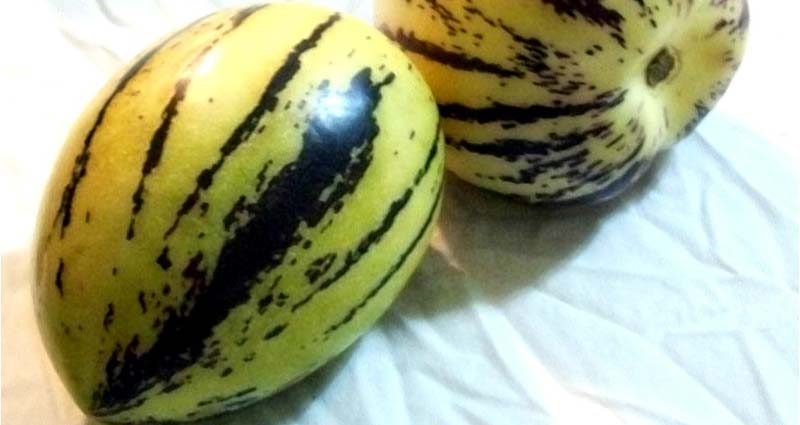
Pepino Melon is related to Wonderberry, Tzimbalo, Garden Huckleberry, and Cocona. It is a herbaceous plant with fibrous roots and is generally 3 feet tall.
Rare, super-healthy, and full of health benefits, Pepino Melon, commonly called Pepino fruit, originates in South America. While it isn’t as well-known as everyday fruits, it has slowly made its way into upscale markets in Japan, Europe, North America, and Australia, and is now grown commercially in several countries outside its native region.
Pepino Melon at a Glance
| Detail | Description |
|---|---|
| Common names | Pepino, pepino melon, pepino dulce, melon pear, sweet cucumber |
| Scientific name | Solanum muricatum |
| Family | Nightshade, so a cousin of tomato, eggplant, and potato |
| Origin | The Andes of South America, mainly Peru |
| Taste | Sweet, like melon with a hint of cucumber |
| Fruit or vegetable | A fruit |
| Calories | About 43 per 100 g |
| Edible parts | Skin, flesh, and seeds are all edible |
Top 12 Amazing Health Benefits of Pepino Melon
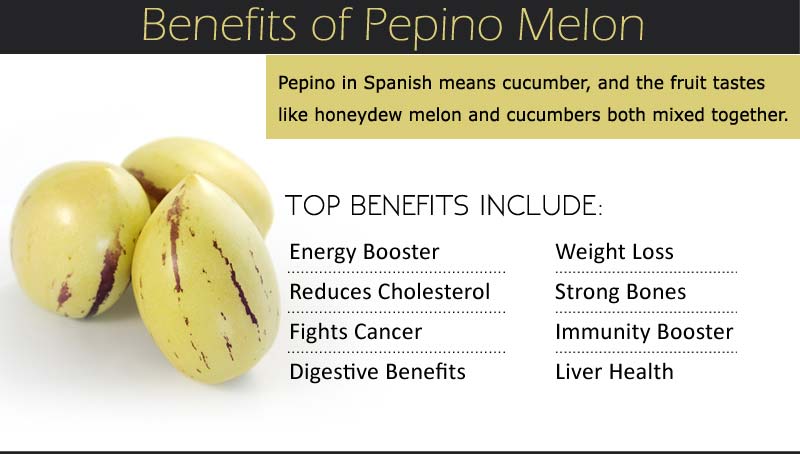
Pepino melons taste sweet and delicious and come packed with several vitamins and minerals. This rare fruit has many health benefits; we have listed the top ones below.
1. Natural energy booster
Pepino melon contains natural sugars and carbohydrates that the body easily breaks down into glucose, your main source of quick energy. Combined with its high water content and small dose of vitamin C, it makes a refreshing pick-me-up when you’re feeling a bit drained, especially in the afternoon slump or after a workout. It’s not a sugar bomb either, since one fruit only has around 40-odd calories per 100 g, so you won’t feel heavy afterward.
2. Soothe away aches and pains
Pepino melon has been known to possess anti-inflammatory properties and can help soothe pains and aches throughout the body. In the regions where it is grown, the fruit is used as a traditional go-to food for fighting inflammation. Most of the research so far has been on animals and cell cultures, so this is supportive rather than a substitute for medical care if you’re dealing with chronic pain.
3. Reduces cholesterol
Pepino melon’s soluble fiber content can help keep cholesterol levels in check, similar to oatmeal and oat bran. Soluble fiber binds to bile acids and some of the cholesterol in your gut, helping the body eliminate them through stool, which, over time, can lower LDL (“bad”) cholesterol. It works gently and gradually, so think of it as one of many fiber-rich foods to include rather than a quick fix.
4. Fights Cancer
Pepino melon is a good source of antioxidants thanks to its vitamin C and small amounts of vitamin A and beta-carotene. These antioxidants help neutralize free radicals, which is part of the body’s broader defense against cell damage.
A study by the Department of Biotechnology at Karunya University, India, found that Pepino fruit extract showed anti-inflammatory, immunomodulatory, and early anticancer activity in laboratory tests. (1) It’s worth being clear, though, most of this work is at the cell-culture or animal-model stage, and there’s no human trial evidence that eating pepino melon prevents or treats cancer.
5. Regulates High Blood Pressure
Pepino melon has no sodium but contains a useful amount of potassium, which is helpful for blood pressure. Potassium helps balance sodium in the body and supports healthy blood vessel function, both of which can help lower blood pressure over time. Pepino melon also has mild diuretic properties. If you’re already on blood pressure medication or have kidney issues, check with your doctor before loading up on high-potassium foods.
6. Digestive benefits
Rich in fiber, Pepino melon can be a good option for people with irregular bowel movements or occasional constipation. The vitamin C content helps the body absorb iron from plant foods more effectively. Traditionally, it has also been used to soothe stomach discomfort. People with kidney issues, who often deal with digestive sluggishness from their condition or medication, may find it gentle on the gut.
7. Weight Loss
Pepino melon has very few calories, only about 43 per 100g. It is mostly made up of water and carbohydrates. That combination of low calories, fiber, and high water content can help you feel full longer without packing on energy. This is exactly what you want when trying to manage weight. It works best as part of a balanced diet rather than a standalone “weight loss” food.
8. Strong bones
Calcium is essential for strong, healthy bones. Vitamin K also helps direct calcium into bones rather than letting it build up in the arteries. Pepino melon contains small amounts of vitamin K and minerals like magnesium and phosphorus that contribute to bone health. However, it shouldn’t be considered a major source of vitamin K. Leafy greens like spinach, kale, and broccoli are much better choices. Think of Pepino as a helpful add-on rather than the main player.
9. Immunity booster
Polyphenols are present in pepino fruit extracts, which give it antioxidant properties [2]. These properties are present in both unripe and ripe fruits, though mature fruits have a higher content of flavonoids and phenols. Combined with its vitamin C content, pepino can be a useful addition to a varied, plant-rich diet that supports overall immune health.
10. Boosts liver health
A healthy liver matters for energy, digestion, and overall well-being, and the fiber and antioxidants in fruits like pepino melon are part of an overall liver-friendly diet.
Some animal research has specifically examined pepino melon leaves (not the fruit) for protection against alcohol-related liver damage. In those studies, pepino leaf extract helped reduce abnormal fat accumulation in the liver and lowered inflammatory markers such as TNF-α and IL-6. (3) These are early-stage findings in rodents, promising, but not yet shown in humans. Eating the fruit isn’t a cure or treatment for liver disease, and if you suspect any liver issue, a proper medical workup is what you need.
11. Diabetes
Pepino has anti-inflammatory, antiglycative, and antioxidative effects. Studies suggest these properties may help slow the progression of diabetes-related complications. In one study (4), flavonoids, phenolic acids, and ascorbic acid from Solanum muricatum showed positive results on diabetic models. The fruit also has a low glycemic index, meaning it doesn’t spike blood sugar the way many sweet fruits do, which makes it a reasonable snack option for people watching their blood sugar. That said, it’s not a replacement for prescribed diabetes medication or regular monitoring.
12. Pepino Melon Eases Anemia & Lowers Creatinine Level
Anemia is a complication of kidney disease. In addition to regular treatment, pepino melon could offer a small supportive benefit. People with kidney disease often have higher creatinine levels because the kidneys struggle to filter waste from the blood. The fruit’s mild diuretic action and hydrating properties may support kidney function. Importantly, anyone with chronic kidney disease should talk to their nephrologist before adding potassium-rich fruits regularly, since potassium can build up dangerously when kidneys aren’t working well.
13. Pepino Melon Inhibits Tumor Growth
Apoptosis is a type of programmed cell death. In laboratory studies, compounds from pepino melon (Solanum muricatum) appeared to encourage cancer cells to self-destruct while showing relatively lower toxicity to normal cells. The study found that pepino’s anti-tumor effects were linked to its ability to promote apoptotic cell death in cancer cells. (5) Again, this is test-tube research, interesting for scientists, but a long way from being a proven cancer treatment in humans.
Pepino melon Nutrition facts
| Nutrient | Amount per 100g | % RDA |
|---|---|---|
| Calories | 43 | 2% |
| Carbohydrates | 10.4g | 3% |
| Protein | 0.9g | 2% |
| Fat | 0.2g | 0% |
| Fiber | 1.7g | 7% |
| Vitamin C | 20.5mg | 23% |
| Vitamin K | 2.8mcg | 2% |
| Potassium | 239mg | 5% |
| Magnesium | 15mg | 4% |
| Phosphorus | 24mg | 3% |
| Calcium | 9mg | 1% |
| Iron | 0.3mg | 2% |
| Vitamin A | 35IU | 1% |
| Folate (B9) | 7mcg | 2% |
** The data above might vary depending on the variety and ripeness of the Pepino melon. RDA value is based on a 2,000-calorie diet for adults.
More About Pepino Melon
What is Pepino Melon?
Pepino melon is native to the temperate Andean regions of South America. It is an evergreen shrub grown primarily for its fruits. The fruit generally has light-yellow or light-green skin streaked with purple lines. Spotting this fruit is straightforward thanks to its unique purple variegation. It can be as small as a plum or as large as a small papaya.
The fruit isn’t actually related to melons. Pepino, in Spanish, means cucumber; the fruit tastes like a honeydew melon mixed with cucumber. It is also known as Pepino Dulce, which translates to ‘sweet cucumber’ in English. While it’s still most common in Chile, Colombia, Peru, Ecuador, and Bolivia, pepino is now also grown commercially in New Zealand, Australia, Spain, Israel, the Netherlands, and parts of California, with fruit from improved cultivars exported to high-end markets in Japan, Europe, and North America.
The fruit is delicate to handle and bruises easily. This is why it has been slow to gain a mainstream presence in supermarkets outside its growing regions. You will only find it at specialty grocers, farmers’ markets, or upscale supermarkets that stock exotic produce.
Is Pepino Melon edible?
The fruit is entirely edible, the skin, pulp, seeds, and flesh, and it’s closely related to tomatoes and eggplants. That said, the skin can be a bit tough on fully ripe fruit, so most people prefer to peel it off and just eat the pulp.
It pairs well with other fruits, like lemons and coconut, and is delicious garnished with a drizzle of honey or a few sprigs of fresh sweet basil. Once ripe, pepino melons should be stored in the refrigerator and are best eaten within about a week. Unripe ones can be kept at room temperature to ripen, or refrigerated for several weeks before they’re ready to eat.
What are the top side effects of Pepino Melon?
Generally harmless, it is one of those fruits that can be taken at breakfast, for the energy and fullness it provides. It’s safe to eat on an empty stomach, too.
You should be cautious if you’ve had allergic reactions to other nightshade plants like tomatoes, eggplants, or peppers, since pepino belongs to the same family. People on potassium-restricted diets (often for advanced kidney disease) should also keep an eye on portion size. Other than this, the fruit has no known major food allergy issues or drug counteractions reported in mainstream sources.
Who Should Eat Pepino Melon?
Pepino melon is a good fruit for people looking to support their heart health. Besides being rich in vitamin C, it’s also a decent source of fiber and contains antioxidants that help protect cells from damage. It has a low glycemic index, which makes it useful for people managing blood sugar levels.
It is also a fair source of potassium and magnesium, both important for healthy blood pressure and nerve function. It’s low in fat and calories, so it can be enjoyed as an occasional snack without worrying too much about weight gain.
What is the taste Of Pepino Melon?
The taste of Pepino Melon is reminiscent of cantaloupe but with a slightly mild sweetness and a hint of cucumber. Some describe it as similar to honeydew with a watery, refreshing finish, pleasant rather than intensely sweet.
The skin can be green, yellow, orange, or brown, and the flesh ranges from pale yellow to off-white. The fruit’s flavor profile makes it a great choice for fruit salads, refreshing summer drinks, or even paired with savory items like prosciutto or feta, similar to how cantaloupe is served.
Have pepino melon for the unique taste it offers under that pretty striped skin. To get the most out of its health benefits, make it a regular part of your fruit rotation when you can find it.
How to Eat Pepino Melon
Pepino is easy to enjoy once it is ripe. A ripe one feels a little soft, smells sweet, and turns golden with purple streaks.
- Wash it, then cut it in half. Scoop out the flesh with a spoon, or slice it into wedges.
- Peel the skin if it feels tough. The seeds in the middle are soft and fine to eat.
- Eat it fresh and chilled. It is great in fruit salads with lemon, honey, or a little basil.
- Blend it into juice or a smoothie. You can also add it to summer drinks and salsa.
Start with one fruit and see how you like it. It is light, so it works well as a snack or a breakfast fruit.
Conclusion
The pepino melon, with its range of nutritional benefits, is a good example of how lesser-known fruits can quietly contribute to a balanced diet. Rich in antioxidants, vitamin C, fiber, and potassium, it can support blood sugar management, heart health, and digestion. Many of the stronger claims about cancer, liver, and diabetes are based on early lab and animal studies, so treat them as encouraging research rather than guaranteed outcomes, and as always, real medical conditions need real medical care. As one piece of a varied, plant-rich diet, pepino is a refreshing and worthwhile addition whenever you can get your hands on it.
Pepino Melon FAQs
What is pepino called in English?
In English, pepino is usually called melon pear or sweet cucumber. Many people also just say pepino or pepino melon. The name comes from Spanish, where pepino means cucumber.
What is the scientific name of pepino?
The scientific name is Solanum muricatum. It belongs to the nightshade family. That makes it a cousin of the tomato, the eggplant, and the potato.
Is pepino a fruit or a vegetable?
Pepino is a fruit. It grows from the flower of the plant and holds small soft seeds. People eat it as a sweet fruit, even though its plant family is better known for vegetables like the tomato and eggplant.
Where does pepino come from?
Pepino comes from the Andes region of South America. It is native to Peru, Chile, Colombia, Ecuador, and Bolivia. Today it is also grown in New Zealand, Australia, Spain, and parts of the United States.
References
- Department of Biotechnology, Karunya University, Coimbatore, Tamilnadu, India – https://www.ncbi.nlm.nih.gov/pubmed/25313750
- Department of Biochemistry, Kongunadu Arts and Science College, Coimbatore 641 029, Tamil Nadu, India – https://www.ncbi.nlm.nih.gov/pubmed/23057510
- Department of Nutrition, Chung Shan Medical University, No. 110, Sec. 1, Jianguo N. Road, Taichung City 40201, Taiwan – https://www.ncbi.nlm.nih.gov/pmc/articles/PMC6073701/
- School of Nutrition, Chung Shan Medical University, Taichung City, Taiwan – https://www.ncbi.nlm.nih.gov/pubmed/21445856
- Virotech Canada Inc., Windsor, ON, Canada. – https://pubmed.ncbi.nlm.nih.gov/10226574/

3 Comments
Good fruit I’m a farmer of this fruit it’s very beneficial
How can I get it in North America? I need it urgently.
Luckily Pepino melon is growing so well at my shamba in Molo, Nakuru County.I have only planted 1 cripper pc and it has more than 150 Fruits already and many more are fruiting out.I intend to spread out the plant.Amazing it is evergreen and always flowering and branching out producing long succer stems.