

Blood dyscrasia meaning: A blood dyscrasia is any abnormal or diseased condition of the blood – affecting the red blood cells, white blood cells, platelets, or the clotting proteins in plasma. It is a broad, non-specific medical term (also called a hematologic dyscrasia or blood disorder, from the Greek word for “bad mixture”) and describes a group of conditions rather than one single disease. [NIH]
Blood dyscrasia is a broad term used to describe abnormality in one or more components of the blood. It could be either in their count, their structure, or their function. It can involve the red blood cells, white blood cells, platelets, or the clotting proteins (coagulation factors) in plasma. Some types cause excessive clotting, others cause insufficient clotting, and some affect the body’s ability to fight infection or carry oxygen properly. People with abnormal blood function or a family history of these disorders are at higher risk of developing a dyscrasia.
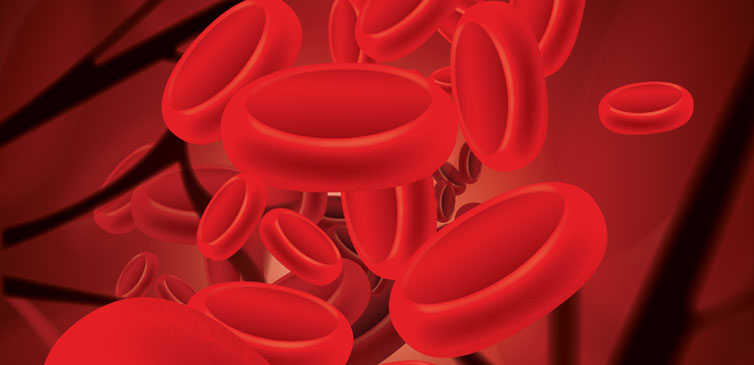
Blood Dyscrasias at a Glance
| Detail | Description |
|---|---|
| Meaning | Any abnormal or diseased condition of the blood |
| Also called | Hematologic dyscrasia, blood disorder |
| Word origin | Greek “dyskrasia” – meaning “bad mixture” |
| Parts affected | Red cells, white cells, platelets, clotting factors (plasma) |
| Common examples | Anemia, leukemia, thrombocytopenia, hemophilia, von Willebrand disease, myeloma |
| Main problems | Too much bleeding, too much clotting, poor oxygen delivery, or weak defense against infection |
| Specialist | Hematologist |
| Key tests | Complete blood count (CBC), peripheral smear, bone marrow biopsy |
Blood Dyscrasias Types
- Von Willebrand’s Disease: The most common inherited bleeding disorder. It develops when there’s a deficiency or defect in von Willebrand factor, a protein that helps platelets stick together at an injury site. The result is poor clotting and easy bleeding, not excessive clotting.
- Anemia: A condition in which the body doesn’t have enough healthy red blood cells or hemoglobin to carry oxygen effectively. It can affect anyone, children, women of reproductive age, the elderly, and people with chronic illnesses are most commonly hit. Iron deficiency is the most common cause worldwide, but anemia can also result from vitamin B12 or folate deficiency, chronic disease, or genetic conditions such as sickle cell disease and thalassemia.
- Thrombocytopenia: A condition in which the platelet count is lower than normal, either because the bone marrow isn’t producing enough platelets or because they are being destroyed or used up too quickly. Low platelets can cause easy bruising and abnormal bleeding.
- Hemophilia: A genetic bleeding disorder caused by a deficiency in one of the clotting factors, factor VIII in hemophilia A and factor IX in hemophilia B. Despite the popular myth, the problem is not with platelets but with the clotting proteins that help form a stable clot. It’s typically passed on through the X chromosome and mostly affects males.
- Leukemia and other white blood cell disorders: Conditions where white blood cell production goes wrong, either too few healthy ones (leukopenia) or too many abnormal ones (leukemia).
- Plasma cell disorders: Conditions like multiple myeloma, where abnormal plasma cells multiply in the bone marrow, affecting other blood lines and causing bone pain, anemia, and kidney problems.
Common Examples of Blood Dyscrasias (Compare and Contrast)
| Blood Dyscrasia | Blood Part Affected | Main Problem |
|---|---|---|
| Anemia | Red blood cells / hemoglobin | Poor oxygen delivery – fatigue, pale skin |
| Thrombocytopenia | Platelets (too few) | Easy bruising and bleeding |
| Hemophilia | Clotting factors (VIII or IX) | Poor clotting, bleeding into joints |
| Von Willebrand disease | Von Willebrand factor | Easy and prolonged bleeding |
| Leukemia | White blood cells | Abnormal white cells, higher infection risk |
| Multiple myeloma | Plasma cells | Bone pain, anemia, kidney problems |
Causes of Blood Dyscrasias
The problems might be caused by a number of factors listed below.
- Heredity: Genetics plays an important role in developing blood dyscrasias. A family history of this blood condition can increase risk. The probability of getting this disease increases, and people can get it eventually.
- Low Platelet Count or Clotting Factor Issues: A drop in platelet numbers, poor platelet function, or deficiency of specific clotting factors can all lead to abnormal bleeding patterns and are central to many dyscrasias.
- Serious Diseases: Sometimes, severe medical conditions, which result in severe infection or cause gene mutation, can also lead to blood dyscrasias. Chronic kidney disease, autoimmune disorders, and certain viral infections are common triggers.
- Nutritional Deficiencies: Long-standing deficiency of iron, vitamin B12, or folate is one of the most common and easily missed reasons behind low blood counts, especially in women, vegetarians, and the elderly.
- Use Of Certain Drugs: Some medicines, including NSAIDs, warfarin, aspirin, certain antibiotics, chemotherapy drugs, and even some commonly used antiepileptics, can affect platelet function or bone marrow activity. Always tell your doctor about every medicine and supplement you take.
- Too Much Exposure: When a person has an occupation that exposes him to certain chemicals like benzene, pesticides, or repeated radiation, it can cause severe damage to the bone marrow and trigger bleeding or blood cancers.
General Symptoms of Blood Dyscrasias
The following are the general symptoms that indicate the development of the condition –
- Unusual tiredness or fatigue from low red blood cells
- Swollen lymph nodes
- Occurrence of frequent infections owing to meager numbers of white blood cells
- Unexplained blood clots, or, on the other end, prolonged bleeding from small cuts
- Pale skin
- General weakness
- Blood blisters inside the mouth or unexplained bruising
- Tiny red or purple spots on the skin (petechiae)
- Bleeding issues, gums, nose, heavy menstrual periods
Severe Symptoms Of the Problem Caused By Specific Medical Conditions
- Immune Thrombocytopenia (ITP): Earlier called Idiopathic Thrombocytopenic Purpura, now generally referred to as Immune Thrombocytopenia since the immune mechanism is better understood. It shows up as quick onset of small or large bleeding spots on the skin, easy bruising, and sometimes bleeding from the gums or nose.
- Von Willebrand’s Disease: This medical condition can present with symptoms such as unusual bleeding from the gums, nose bleeds, heavy menstrual bleeding, and prolonged bleeding after minor procedures.
- Hemophilia: Causes easy bruising, prolonged bleeding after surgery or dental work, and the hallmark symptom, spontaneous hemorrhaging into joints (most commonly knees, ankles, and elbows), which over time can damage the joint if not treated.
- Thrombotic Thrombocytopenic Purpura (TTP): A medical emergency. Symptoms include low platelets, hemolytic anemia, fever, neurological changes for example confusion, and kidney issues. It needs urgent treatment with plasma exchange.
- Leukemia: Symptoms include frequent or severe infections, easy bruising, persistent bone or joint pain, swollen lymph nodes, unexplained weight loss, night sweats, and fatigue from anemia.
- Sickle Cell Anemia: Causes painful episodes called vaso-occlusive crises, enlargement of the spleen, recurrent infections, abdominal pain, and joint pain. Strokes and lung complications can occur if not managed well.
Treatment for Blood Dyscrasias
The treatment helps include identifying and treating the causes of this condition. This blood disorder treatment would include a combination of medications, dietary changes, phlebotomy, or transfusions. The patient with this condition can seek advice from a hematologist. He is a specialist in diagnosing and handling blood disorders.
- Blood Tests: The physician will prescribe blood tests to assess the activity and structure of clotting factors, as well as a complete blood count and peripheral smear. Bone marrow biopsy and genetic testing are also routinely used in modern hematology to pin down the exact cause.
- Medications: The specialist would offer medications for treating specific issues related to blood dyscrasias. For clotting problems, anticoagulants like warfarin are still used, but newer direct oral anticoagulants (DOACs) such as apixaban, rivaroxaban, and dabigatran are now preferred for many patients because they need less monitoring. For hemophilia, recombinant clotting factor concentrates are standard, and newer non-factor therapies, such as emicizumab (a subcutaneous antibody), have reduced bleeding episodes considerably.
- Transplantation: Complex procedures like bone marrow or stem cell transplantation remain a curative option for severe aplastic anemia, leukemia, thalassemia major, and selected sickle cell patients.
- Blood Transfusions: Patients with severely low red cells or platelets may need transfusions, either as a one-time intervention or, in long-term conditions such as thalassemia major, as a regular requirement along with iron chelation therapy to prevent iron overload.
- Phlebotomy: During the procedure of therapeutic phlebotomy, some amount of blood is removed. It is an apt choice for people with hemochromatosis, owing to the high iron levels in the blood, and is also used in polycythemia vera.
- Gene and Targeted Therapies: The treatment field has changed significantly in the last few years. Voxelotor and crizanlizumab are newer options for sickle cell disease, luspatercept helps cut transfusion needs in certain thalassemia and MDS patients, and CRISPR-based gene therapy (Casgevy) is now approved as a potential one-time curative option for eligible patients with sickle cell disease and transfusion-dependent beta thalassemia.
During these treatments for blood dyscrasias, the hematologist assesses how the patient’s body responds and will periodically prescribe blood tests. The blood tests will begin to show the expected results as soon as the treatments start improving the blood count. Some genetic disorders can’t be fully cured, though they can usually be controlled well with ongoing care. Nutritional anemias frequently resolve within a few weeks to a few months of starting iron, B12, or folate replacement, depending on the cause.
Frequently Asked Questions (FAQs) about Blood Dyscrasias
1. Can blood dyscrasias affect fertility or pregnancy outcomes?
Yes, certain types of blood dyscrasias can impact fertility and pregnancy. Anemia or thrombocytopenia increases the risk of miscarriage, preterm birth, or perinatal bleeding. Some treatments, such as iron chelation therapy, are not advised during pregnancy. Genetic conditions such as thalassemia and sickle cell disease can be inherited. This makes preconception genetic counseling and prenatal testing advisable for couples at risk.
2. Are there dietary supplements or nutraceuticals that support the treatment of blood dyscrasias?
While dietary supplements should not replace conventional treatment, some may aid overall blood health. For example, omega-3 fatty acids may help reduce inflammation, and vitamin D and calcium support bone health, which matters in conditions like multiple myeloma. Probiotics might help counter gastrointestinal effects from therapies. Always check with your hematologist before starting any supplement, even something as common as iron or vitamin K, as these can interfere with how your treatment works.
3. Can blood dyscrasias affect mental health?
Living with a chronic blood disorder might lead to emotional and psychological challenges like anxiety, depression, and treatment fatigue. Some of the top coping strategies are –
- One should connect with peer support groups
- Access counseling
- One should practice mindfulness
- Flexible work helps
- Educational accommodations
Including emotional health support into care plans may considerably improve overall quality of life.
4. What novel therapies are emerging past standard treatments for blood dyscrasias?
Emerging therapies include gene therapies such as Zynteglo (betibeglogene autotemcel) and Casgevy (exagamglogene autotemcel) for beta thalassemia and sickle cell disease, which have curative potential through gene addition or CRISPR-based gene editing. Luspatercept, an injection approved by the FDA, helps improve red blood cell maturation and reduce transfusion needs in certain beta-thalassemia and lower-risk MDS patients. (Source) For TTP, caplacizumab is now used alongside plasma exchange and immunosuppression to speed up recovery and reduce relapse risk. Research into CAR-T cell therapy for blood cancers and other gene-editing approaches is advancing rapidly. The treatment options that didn’t exist a decade ago are now part of routine care at major hematology centers.
5. What does blood dyscrasia mean?
Blood dyscrasia is a non-specific medical term for any abnormal or diseased condition of the blood, affecting the red cells, white cells, platelets, or clotting proteins. It is not one single disease yet a general label for a group of blood disorders, so doctors usually identify the exact condition (such as anemia or leukemia) after testing.
6. What are some examples of blood dyscrasias?
Common examples include anemia, thrombocytopenia, hemophilia, von Willebrand disease, leukemia and other white blood cell disorders, and plasma cell disorders such as multiple myeloma. Each one affects a different part of the blood and causes a different main problem, from poor oxygen transport to abnormal bleeding or clotting.
7. Is a blood dyscrasia the same as a blood disorder or a syndrome?
Broadly, yes – “blood dyscrasia,” “hematologic dyscrasia,” and “blood disorder” are used to mean much the same thing. It is not a single syndrome, though; it is an umbrella term that covers many separate conditions. Because it is so general, the term is usually followed by a more specific diagnosis once the cause is known.
8. What lab tests are used to diagnose blood dyscrasias?
The usual workup starts with a complete blood count (CBC) and a peripheral blood smear. Depending on the findings, the doctor may add coagulation (clotting) tests, iron and vitamin studies, a bone marrow biopsy, and genetic testing. These lab investigations help pinpoint which blood component is affected and what is causing it.
9. Can certain medicines cause blood dyscrasias?
Yes. Some drugs can trigger a drug-induced blood dyscrasia by affecting the bone marrow or blood cells – examples include chemotherapy drugs, certain antibiotics, some antiepileptics, and antithyroid medicines. If you are worried about a specific medicine, do not stop it on your own; check the label and ask your doctor or pharmacist.

1 Comment
Blood Clotting MTHFR That causes abnormal clot formation in vessels. My sister has it after having long clot in large vessel from pelvis to mid thigh. She is on Warfarin for rest of life. She states this is hereditary.