

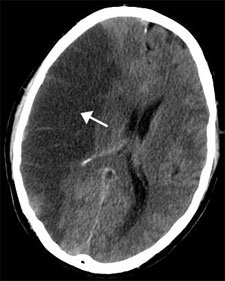
Emotional Changes After a Stroke
- There are several interconnected pathways leading to different parts of the brain. Each of these parts has a specific role to play.
- There is a section in the brain that is associated with the controlling of our emotions.
- When a blockage of blood to this section takes place, it leads to stroke and as a consequence, even after the recovery, the patient suffers from emotional changes.
- Also, stroke attacks an individual without warning. The physical damage caused to the person changes the normal life led in the past and a new life filled with challenges lies ahead.
- For many, coming to terms with this reality itself present a cause for depression.
- The realization that one no more is independent to take care of self and is dependent on others affects the sense of self-esteem.
- Owing to these reasons, one of the most common emotional changes post-stroke is depression.
- Others signs are anxiety, anger and having difficulty in controlling emotions.
- Some of the reasons for feeling anxious are the disability to drive, inability to return to work, fear of falling, worrying about the side effects of medications, and feeling embarrassed in social situations owing to the constant seeking of health from others.
- Anger can lead to consequences like impatience, irritability, using swear words, impulsiveness and showing physical and mental signs of aggression.
- Getting things wrong, finding yourself in an embarrassing position, constantly receiving help from others and the inability of others to respond promptly every time can cause anger in the person.
- Such undesirable responses lead to a decline in the strength of the immune system, raise in blood pressure and digestive problems.
- Depression and addiction follow as a natural consequence if the person has been left alone or ignored, further adding to the complications.
Coping Techniques to Deal with the Emotional Changes Post Stroke
- The direct influence of the emotional changes in a patient is seen in the loved ones who have the responsibility of taking care of the patient.
- But, it might prove challenging at times to deal with rude behaviours or tantrums from the patient.
- The family members can remain firm but polite and make it clear that rude behaviour is not acceptable.
- They can suggest the friends also explain the same to the patient for making a two-prong impact.
- At times simply walking away proves beneficial and effective in making an impact on the patient.
- The word “I” should be used instead of the word “you”. For instance, “I feel really upset when we argue” spells a positive impact instead of statements like “You really upset me”.
Support Systems and Therapeutic Options for Emotional Recovery After Stroke
| Support Option | What It Offers | How It Helps | Recommended For |
|---|---|---|---|
| Cognitive Behavioral Therapy (CBT) | Structured, short-term psychotherapy | Identifies negative thought patterns and replaces them with constructive ones | Stroke survivors experiencing depression, anxiety, or anger |
| Peer Support Groups | Connects stroke survivors and caregivers with others | Provides shared experiences, reduces loneliness, builds resilience | Those feeling isolated or misunderstood post-stroke |
| Speech & Language Therapy (SLT) | Assists with communication challenges | Improves expression and reduces frustration that leads to emotional outbursts | Stroke survivors with speech or comprehension issues |
| Occupational Therapy (OT) | Focuses on relearning daily life skills | Restores a sense of independence and self-worth | Anyone adapting to physical or mental impairments post-stroke |
| Mindfulness & Meditation | Simple mental health tools | Improves emotional regulation and reduces stress | Stroke survivors and caregivers alike |
| Pharmacological Treatment | Use of antidepressants or anti-anxiety meds | Stabilizes mood and supports other therapies | Those with moderate to severe emotional disturbances |
| Family Counseling | Joint sessions with survivors and close family | Improves communication, sets expectations, and builds mutual empathy | Families struggling with behavior changes or strained dynamics |
| Routine and Goal Setting | Daily structure and achievable goals | Reduces uncertainty and brings a sense of purpose | All stroke survivors during emotional rehabilitation |
Reference:
stroke.org.uk
