

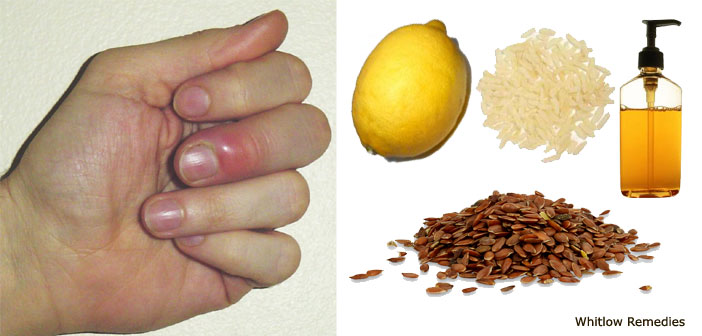
A whitlow is a painful infection of the fingertip, right next to the nail. It can be caused by a virus or by bacteria, so there are two main kinds.
The viral kind is called herpetic whitlow. It is caused by the herpes simplex virus (HSV), both Type 1 and Type 2. It happens when the virus enters through broken skin on the fingertip, usually from contact with a cold sore or infected fluid. This type brings small, fluid-filled blisters and stays contagious until it heals.
The other kind is a bacterial infection around the nail, often called paronychia. It usually follows a cut, a hangnail, or nail biting, and can fill with pus.
Both are very painful. Common signs are throbbing pain, itching, swelling, and redness on the fingertip. With herpetic whitlow you may also see clusters of small blisters, and sometimes swollen lymph nodes, fever, or red streaks up the arm. Red streaks or a high fever mean the infection is spreading, so see a doctor.
Most whitlows settle on their own in about two to three weeks. A doctor may give medicine to ease the pain and swelling. For the herpetic type, an antiviral works best if started early, and repeated attacks can be controlled with a longer antiviral course.
Home Remedies for Whitlow
If you have whitlow on your fingertip, then you can follow the following household medicines and natural methods:
1. Soaking the fingers in an antibacterial solution
- Take a bowl and fill it halfway with warm water and fifty percent antibacterial liquid soap
- Dip your wounded fingers in this solution for 15 minutes and do this thrice daily
- This remedy gives the best result when signs of redness appear first around the nail
The warm soak eases throbbing pain and keeps the area clean, lowering the chance of a second bacterial infection on top of the whitlow. Pat the finger dry with a clean tissue after each soak.
2. Magnesium Sulphate
- Take a suitable antiseptic and clean the infected area
- Get a tube of magnesium sulfate from the chemist and apply a generous amount to the affected area and cover with cotton wool or lint. Apply a bandage over the covering that should be changed and repeated over a period of time
- If the symptoms persist, you can consult a medical practitioner as there may be a need for antibiotics
Magnesium sulfate paste draws out fluid and can reduce swelling around the nail. Wash your hands before and after, and use a fresh dressing each time to keep the area clean.
3. Lemon
- Take a lemon and make a hole in it
- Now, insert the affected finger into this hole for about 10 minutes, and do this twice daily for quick healing
Lemon is mildly acidic and antibacterial, which is why it is a common folk remedy for the redness. If it stings badly on broken skin or an open blister, stop and rinse with clean water.
4. Rice flour and linseed oil
- Make a poultice from rice flour and linseed oil
- Apply this poultice to the affected area for quick relief
This poultice acts as a soft, soothing cover that eases tightness and draws out soreness. Use it on unbroken skin, and keep the finger clean and dry the rest of the day.
5. Chebulic mryoblan
- Prepare a concoction using Chebulic myroblan and tamarind juice
- The astringent and acidic action of this concoction helps in curing the problem
- This concoction should be applied to the affected area for immediate relief
Chebulic myrobalan, known as Haritaki, is a strong astringent, and the tamarind adds a mild acid action that can dry the sore spot. Dab it on gently, and do not rub open blisters.
6. Warm Salt Water Soak
- Add a little salt to a bowl of warm (not hot) water.
- Soak the finger for 10 to 15 minutes, two or three times a day.
This eases the pain, softens the skin, and helps keep the area clean while the whitlow heals on its own. Dry the finger well afterward.
7. Turmeric Paste
- Mix a little turmeric with clean water to make a thick paste.
- Dab it around the sore area and leave it for a few minutes, then rinse.
Turmeric is anti-inflammatory and mildly antibacterial, so it can calm the redness and help guard against a second infection. Keep it off open blisters.
8. Aloe Vera
- Take fresh gel from an aloe vera leaf.
- Apply a thin layer over the finger a few times a day.
Aloe vera cools and soothes a hot, painful finger, calming the skin without stinging. This makes it gentle enough for most people, including children.
9. Garlic (use with care)
- Crush a small piece of garlic and hold it near the sore spot for a short time.
Garlic has allicin, a natural germ fighter, which is why some people use it. But be careful, since raw garlic can burn or irritate broken skin. Use it only on unbroken skin, for a short time, and stop if it stings.
Should You Pop or Burst a Whitlow?
No. Do not pop, cut, or drain a whitlow blister. This is the single most important rule. Bursting it does not ease the pain, and it can spread the virus to other fingers or to other people and let bacteria in, which makes things worse.
Let the blisters dry and crust over on their own. Keep the finger loosely covered with a clean, dry bandage. This protects it and stops the virus from spreading, since a whitlow stays contagious until it fully heals.
One more thing worth knowing. A whitlow can be viral (herpetic, from the herpes virus) or a bacterial infection around the nail. They look alike but are treated a little differently, and draining a herpetic one is harmful. So if you are not sure, or there is a lot of pus, see a doctor before you do anything to it. (DermNet)
How to Ease the Pain of a Whitlow
A whitlow can throb and sting. These simple steps help while it heals:
- Hold a cold pack or ice wrapped in a cloth against the finger for a few minutes to numb the pain.
- Or soak it in warm salt water, whichever feels better for you.
- Keep the hand raised when you can, to bring down the throbbing.
- Take an over-the-counter painkiller like paracetamol or ibuprofen if you need it.
- Cover the finger so it does not knock against things.
If the pain is severe, or the whole finger is very swollen and tense, see a doctor, since that needs a proper check.
Understanding Whitlow: Causes, Symptoms, Risks, and Treatment Options
| Aspect | Description |
|---|---|
| Causes | Usually caused by herpes simplex virus (HSV) entering through cuts near the fingers or nails. |
| Symptoms | It can cause pain, swelling, redness, and fluid-filled blisters around the infected area. |
| Risk Factors | Higher risk for healthcare workers, those with weak immunity, or frequent skin injuries. |
| Complications | It might lead to recurrent infections. It can also spread to other body parts if untreated. |
| Diagnosis | Physical exam, symptom review, and possible fluid sample test for HSV. |
| When to Seek Help | If you observe severe pain, fever, pus, or if the infection is spreading. |
| Prevention | Wear gloves, practice hygiene, avoid HSV contact, do not share any personal items. |
| Treatment | Antivirals or pain relief as prescribed by a doctor. |
How to Reduce Risk of Whitlow
You can always reduce the risk of whitlow and also prevent the contamination of herpes simplex virus to other people by following the specified ways:
- Always use clean towels and change all clothing if suffering from genital or oral herpes
- Avoid direct contact with exposed herpes lesions, including genital lesions or cold sores
- Avoid sucking or chewing the thumb or fingers
- Avoid nail biting
- Take care while cutting the nails so as to avoid skin cut
- During herpes outbreak, cover any wound with a bandage to prevent spread of the infection into the broken skin
- Develop habit of washing hands frequently
- Safe sex should be practiced
- Take a healthy diet to accelerate recuperation
The above are a few of the cures for whitlow that you can adopt during herpes simplex virus outbreak and most of them are easily available in your home kitchen.
FAQs
1. Can herpetic whitlow recur after the first infection?
Yes, herpetic whitlow can recur because the herpes simplex virus remains in the body once contracted. Reactivations are triggered by stress or a weakened immune system. However, they’re milder than the initial infection. To avoid recurrence, d follow good hygiene and avoid known triggers. Source
2. Is herpetic whitlow contagious, and how can I prevent spreading it?
Herpetic whitlow is highly contagious. Direct contact with the infected area can spread the virus to others or to other parts of your body. To prevent transmission, keep the affected area covered, avoid touching it unnecessarily, and wash your hands frequently. Source
3. Can children develop herpetic whitlow, and how?
Yes, children can develop herpetic whitlow, especially if they have oral herpes and frequently suck their thumbs or fingers. This behavior transfers the virus from the mouth to the fingers. This gets them the infection. Parents can help by encouraging hand hygiene and reducing thumb-sucking habits. Source
4. What complications can arise from untreated herpetic whitlow?
Complications from untreated herpetic whitlow are rare. However, it can include bacterial superinfection, scarring, or nail deformities. To reduce the risk, go for prompt treatment and proper care. If symptoms worsen or spread, consult a medical expert to avoid additional complications. Source
5. What is the fastest way to treat a whitlow?
There is no instant fix, since the virus clears on its own in about two to three weeks. To heal faster and feel better, keep the finger clean and covered, ease the pain with a cold pack or warm soak, and do not pop the blisters. If you catch it early, a doctor can prescribe an antiviral that shortens it.
6. How long does a whitlow take to heal?
Most whitlows clear up on their own in two to three weeks. It can take a little longer the first time. If it lasts much longer, keeps coming back, or fills with pus, see a doctor.
7. Is there a cream or medicine for whitlow?
For a viral (herpetic) whitlow, a doctor may prescribe an antiviral like acyclovir, which works best when started in the first day or two. Over-the-counter painkillers help with the soreness. Antibiotics are only needed if a bacterial infection sets in on top, so it is best to let a doctor decide.

1 Comment
i’m suffering with whit-low for 18 years, i just what to get rid of it quick.