

Summers are perfect weather to swim, but swimming in freshwater ponds and lakes can cause a parasitic infection known as Swimmer’s itch. Medically known as cercarial dermatitis, it can even occur in salt-water bodies.
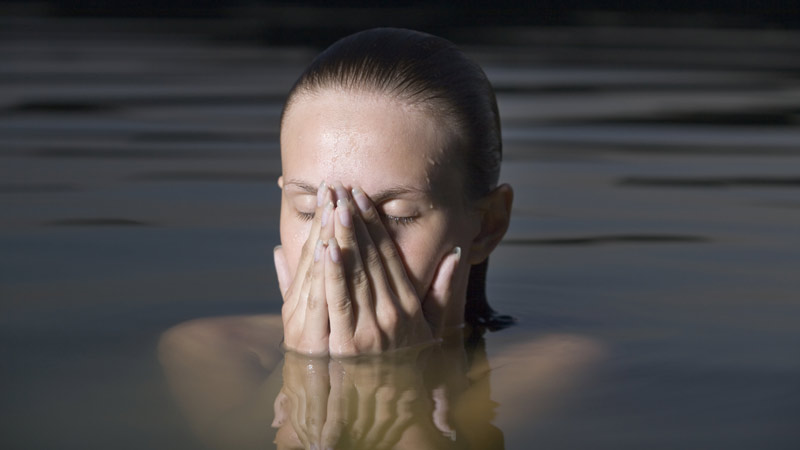
What is swimmer’s itch?
As the name suggests, swimmer itch is an allergic reaction to certain parasites that enter the human body while swimming in freshwater lakes and ponds. It manifests itself as itchy, red-colored blisters that look like pimples. Scratching them can cause bacterial infections and may take longer to heal.
It is a common occurrence across the world, with most cases being reported during the months of summer.
Home Remedies for Swimmers Itch
It usually does not require medical attention, and the symptoms gradually go away after a week or two. However, the following home remedies and preventive measures can help you deal with the condition –
1. After swimming, make sure you take a shower
After taking a waddle in a lake or ocean, rinse immediately and dry yourself with a clean towel. Wash your swimsuits often.
2. Use a good sunscreen
Using sunscreen creates a barrier for the parasites to enter the skin. It has been reported that sunscreen can protect one from the problem.
3. Avoid swimming in marshy, warm water areas
The parasites that cause swimmers itch thrive in warm waters on the shores. Also, avoid the places where there are snails since they release the larvae in the water. If you have to swim, move to the deeper waters.
4. Do not attract birds
Refrain from offering food to birds and animals where you or others intend to waddle or swim.
5. Read the safety signs
If a sign states that water is unsafe for swimming, pay heed to it. Sometimes, water can be unsafe for one season or more, depending on how the lifecycle of the parasite in the snails and the birds continues.
6. Soak in Epsom salt bath
To get relief from itching and other symptoms of swimmers’ itch, soak in a warm water bath with Epsom salt. The blisters will itch less, and you will be relieved from scratching.
7. Soak in an oatmeal bath
Oatmeal is known to have a soothing effect on sores and rashes, given its anti-inflammatory, antiproliferative, and anti-itching activity. Soak in an oatmeal bath to get relief from the swimmer’s itch. (Source)
8. Use cold compresses
You may want to use cold compresses to soothe burning, itchy sensations and get some relief.
9. Baking soda for swimmers itch
Apply a paste with baking soda and water to the rashes. Baking soda has antibacterial, antifungal, antiseptic, and anti-inflammatory properties, and it can help relieve itchy skin and rashes. However, always use filtered water to make the paste, and do not use this pack more than twice or thrice a week.
10. Diluted vinegar rinse
Some people dab diluted vinegar on the rash to calm the itch. Vinegar is mildly acidic, so it can have a light drying effect on weepy skin. (Home Remedies for Acne: Do They Work?, 2024) Mix one part vinegar with three parts water. Put it on with a cotton pad, wait a few minutes, then rinse. Do not use it on broken or bleeding skin, as it will sting. This is a folk remedy, not a proven cure. (Staff, 2024) Stop if it irritates your skin.
11. Towel off briskly right after you leave the water
Rub your skin dry with a towel as soon as you get out. The parasites need time to burrow into the skin. A quick, firm rub can wipe many of them off before they do. Children often skip this step. That is one reason they get swimmer’s itch more than adults. (Source: CDC)
Home Remedies for Swimmer’s Itch at a Glance
Most cases clear on their own in a week or two. These natural remedies for swimmer’s itch can ease the itch while your skin heals.
| Remedy | What it does | How to use |
|---|---|---|
| Cold compress | Calms burning and itching | Hold a cold, damp cloth on the rash for a few minutes. |
| Epsom salt bath | Eases the itch | Soak in warm water mixed with Epsom salt. |
| Oatmeal bath | Soothes sores and rashes | Soak in a warm oatmeal bath. |
| Baking soda paste | Relieves itchy skin | Mix baking soda with filtered water and dab on the rash. |
| Diluted vinegar rinse | May calm the itch (folk remedy) | Mix 1 part vinegar with 3 parts water and dab on. |
| Anti-itch or antihistamine cream | Cuts down stronger itching | Use an over-the-counter cream as directed. |
Sources: CDC, Mayo Clinic, Cleveland Clinic.
Swimmer’s Itch FAQs
What are the signs and symptoms of swimmer itch?
After swimming in contaminated water, you may notice the below symptoms between minutes to 12 hours.
- Itchy or tingling
- Red rashes
- Small pimples
- Small blisters that itch
The more you swim in contaminated waters, the more severe your chances of developing the condition. Swimmer itch occurs on body parts that are exposed to water and not covered by swimsuits or waddles. With continuous exposure, the symptoms may worsen.
It can be uncomfortable, but a swimmer’s itch rarely gets serious.
What causes swimmers itch?
Swimming or wading in freshwater lakes or ponds can make certain parasites enter your body. The parasites are released in water by infected snails and thrive on certain birds and mammals. An allergic reaction happens if they enter the human body before they can find their specific host. This is so because these parasites cannot multiply in the human body and soon die.
The parasites generally live in the waterfowl, and some birds and mammals such as geese, ducks, swans, beavers, muskrats, raccoons, and beavers.
The parasites produce eggs that are released in the water through the feces of these infected hosts. The eggs hatch and the larvae swim freely to search for specific types of snails where they can thrive, multiply, and develop further. Again, the new larvae look for birds and mammals to succeed, but they enter the body if they come in contact with exposed human skin.
Since humans are not suitable as hosts for these parasites, they soon die. But until then, the parasite causes an infection that manifests as a swimmer’s itch.
How long do symptoms of swimmers itch last?
You may experience a tingling or burning sensation on your exposed body parts within minutes of swimming. Sometimes, it may take a few days. The symptoms usually go away within 2 weeks. However, you may need treatment if you scratch the blisters vigorously, which may prolong the healing.
Diagnosis of Swimmers Itch
The diagnosis of swimmer itch can be tricky owing to the similarity of symptoms with poison ivy. Moreover, the rashes can be mistaken for other allergic reactions as well. Since no specific tests diagnose swimmers’ itch based on any sample, it can be a challenge to pinpoint the infection. However, it is best to consult your doctor if you notice burning, itchy rashes after swimming in a lake, pond, or ocean.
What is the treatment of Swimmers Itch?
Since the parasite cannot survive in the human body and dies, the symptoms of swimmers usually clear up within 1 to 2 weeks. Antihistamine and anti-itching creams may be recommended if you experience severe itching or burning. Prescription medicines may be prescribed for severe cases or if scratching triggers a bacterial infection.
Is swimmer’s itch contagious?
No study has proven that swimmer itch can transfer from one person to another. Since the parasite cannot thrive in the human body, it dies without multiplication.
After swimming in un-chlorinated, safe pools, it is always good to be alert if you develop any rashes. If the rashes persist or you do not see improvement after 3-4 days, consult your doctor, as it could indicate some serious issues. Swimmer’s itch is not the only rash one can get after swimming in lakes and ocean bodies.
