

Marketed extensively as a treatment for constipation and as a ‘detox’ tea, senna herbal tea is quite popular. It has been used as a traditional remedy for constipation and digestive issues for centuries and is recognized today as an FDA-approved over-the-counter laxative. Senna is a powerful herb and can cause quite a few side effects, especially with long-term use. Let’s discuss in detail the health benefits and limits of senna herb tea.
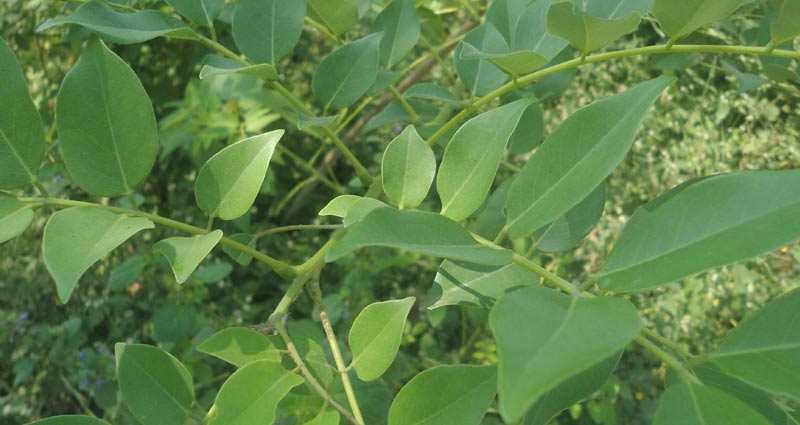
Top 12 Health Benefits of Senna Herbal Tea
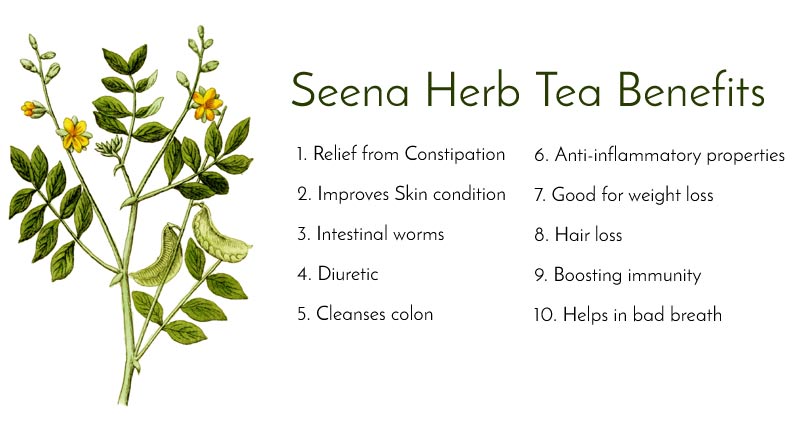
1. Senna tea for relief from constipation
Modern lifestyle comes with its health challenges, constipation being one such major issue battled by people across all age groups. Senna is well-recognized as a stimulant laxative and is one of the few herbal remedies actually approved for this use.
Within 6 to 12 hours of taking senna herb tea, the intestinall musclesaret stimulate, triggering bowel movement. Senna also helps the large intestine retain more water in the stool, making it softer and easier to pass. For best results, take it at bedtime so it works overnight, and use it only for short stretches, not as a daily habit.
2. Improve skin conditions
There is a popular belief that how your skin looks is connected to gut health, and some people swear by occasional detox-style teas for clearer skin. The link between constipation and skin conditions like acne, however, is not well established in modern dermatology. Most acne is driven by hormones, sebum, bacteria, and inflammation, not by “toxins” in the colon. If your digestion is genuinely sluggish, relieving constipation may indirectly make you feel better, but senna tea isn’t a treatment for acne or eczema, and topical application of senna leaves isn’t backed by good evidence either. For persistent skin issues, a dermatologist consultation goes far beyond herbal tea.
3. Get rid of intestinal worms
Senna is well known for its laxative properties, which can help push out intestinal worms and parasites along with stool, especially when used alongside proper antiparasitic medication. The herb works as a clearing agent. It is sometimes paired with other digestive herbs, such as fennel or ginger, to help reduce bowel cramps. That said, intestinal parasites today are best treated with specific antihelminthic drugs prescribed by a doctor, and senna should be considered a supportive aid at best, not a substitute for proper treatment.
4. Mild fluid movement, not a true diuretic
Senna herb tea is often described as a diuretic, but technically it isn’t one. It causes water loss through stool, not through urine. The temporary drop in body weight people see after drinking senna tea is mostly water lost via the bowel, not “detoxified fluid” being flushed by the kidneys.
For this reason, using senna to “flush” salts or manage blood pressure is not a good idea. Real diuretics work on the kidneys and are prescription medicines. Misusing senna for these effects can cause dehydration, low potassium levels, and electrolyte imbalances, which, in some cases, can affect heart rhythm. Never use senna or any OTC laxative as a diuretic unless your doctor specifically advises it.
5. Cleanses colon
Modern gastroenterology doesn’t support the notion that toxins accumulate on the colon walls and need to be flushed out. The liver, kidneys, and gut lining handle waste removal independently. Senna’s role here is straightforward. It triggers a bowel movement and clears what’s already on its way out. That is more like a “reset” if you’ve been constipated. The detox claims (better immunity, sharper focus, more energy) are wellness marketing and not entirely medical facts. A high-fiber diet, enough water, regular movement, and good sleep are far more reliable for digestive health than any cleansing tea.
6. Anti-inflammatory properties
Senna has some anti-inflammatory and antibacterial activity in lab studies, and traditional medicine has used it for various aches, fevers, and tissue inflammation. The evidence for using senna tea to treat asthma, respiratory illness, joint pain, or hemorrhoids is, however, very limited. Modern medicine has much better-studied options for each of these, inhalers for asthma, topical creams or sitz baths for hemorrhoids, and standard pain relief for headaches and joint pain. Treat any “anti-inflammatory” benefit from senna tea as incidental, not a primary reason to drink it.
7. Weight loss, a quick note of caution
Senna tea is marketed for weight loss. You’ll see it in many “slimming” or “skinny” tea blends. The truth is, any quick drop on the scale after senna is mostly water and stool weight. This comes right back once you rehydrate. Senna does not burn fat or genuinely boost metabolism in any meaningful way.
Using laxatives for weight loss is now widely recognized as a harmful pattern. This is true for younger people and is associated with disordered eating. The components called sennosides and anthraquinones in senna promotes bowel movement (1). But pushing food through faster doesn’t reduce calorie absorption. For genuine weight management, a sensible diet, adequate protein, regular physical activity, and proper sleep are what actually work, not laxative tea.
8. Hair use, a quick clarification
You’ll often see references to “senna” being used to color or condition hair, but there’s a common mix-up here. The plant most commonly used for natural hair colouring and conditioning is Cassia obovata (sometimes called “neutral henna” or “senna” in beauty product labels), which is a related but different plant from the *Senna alexandrina* used in laxative teas. Cassia obovata can give hair a slight golden tint and add shine. There’s no good evidence that drinking senna tea or applying it to the scalp prevents hair loss or treats dandruff, so don’t expect those results.
9. Herb tea as a purgative
Senna tea is genuinely effective as a short-term purgative thanks to its laxative action. It promotes bowel movements and can help when you’re bloated, gassy, or constipated. It is also commonly used by doctors to clear the bowel before procedures like a colonoscopy.
10. Boosting immunity
The idea that “clearing out waste” boosts immunity sounds intuitive. However, it isn’t how the immune system works. Immunity depends on adequate sleep, balanced nutrition (especially vitamin C, vitamin D, zinc, and protein), exercise, and a healthy gut microbiome. Senna tea doesn’t directly strengthen white blood cells. If anything, repeated use can throw off your electrolytes and gut flora, which is not great for overall resilience.
11. Get rid of bad breath
Senna tea is sometimes suggested as a mouth rinse for bad breath, but there’s no real clinical evidence for this. Bad breath is most often caused by poor oral hygiene, gum disease, dry mouth, or sinus issues. Brushing twice a day, flossing, scraping the tongue, treating any cavities or gum problems, and staying hydrated will do far more than any herbal rinse.
12. Senna and colon cancer, the actual picture
Senna tea contains some antioxidants. But the relationship between long-term senna use and colon cancer is actually a concern that researchers have investigated. It has very little to do with the benefit. Earlier theories suggested chronic stimulant laxative use might increase colon cancer risk. Newer reviews have largely been reassuring and have not found a clear cause-and-effect link. This is far from “senna prevents colon cancer.” The current consensus is to avoid prolonged senna use and rely on fibre, hydration, and exercise for ongoing colon health. It also includes colonoscopy screening at the age your doctor recommends.
More about Senna Herb Tea
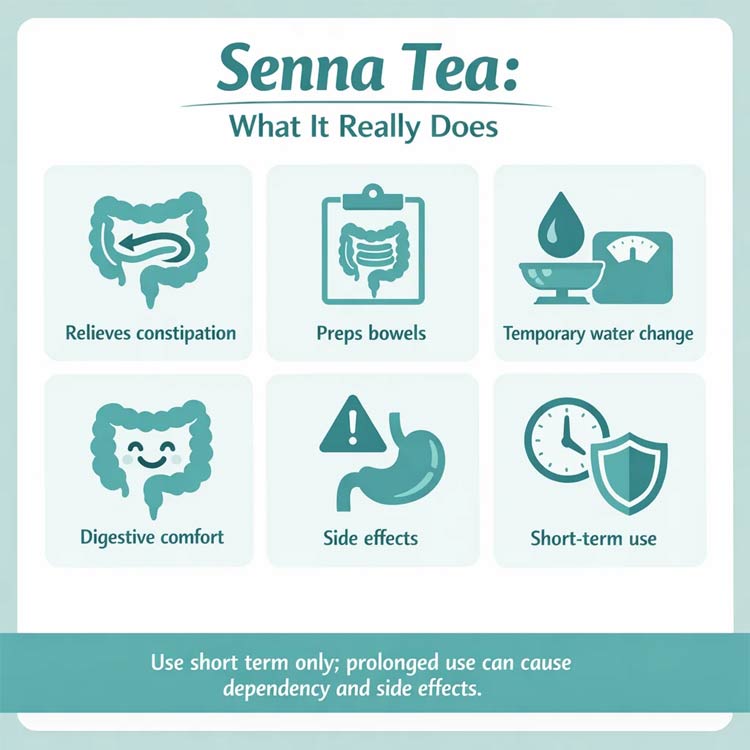
What is Senna Herb Tea?
Senna is a herb, and senna herb tea is derived from the leaves and pods of *Senna alexandrina* (formerly known under the Cassia genus), which has more than 250 related species. The plant is native to tropical regions and grows widely in North Africa, India, and parts of China.
The FDA recognizes senna as an OTC laxative and it is the active ingredient in many common brands such as Senokot and Ex-Lax. (Source) The leaves and pods of the plant are dried and brewed into tea or compressed into tablets.
Related Article: Health Benefits Of Cassia Seed
How does Senna Herb Tea taste?
The Senna herb is not very palatable. Though it may taste slightly sweet at first, the bitter undertones make it unpleasant to drink. Most people add a slice of lemon, honey, or some ginger to mellow the flavor. The aroma is fairly plain too, more grassy than floral.
What are the Side effects of Senna Herbal Tea?
Senna is generally considered safe when used short-term in appropriate doses. It can be used by children over 2 years old and adults under medical supervision. However, senna herbal tea can have side effects such as –
1. Long-Term Usage Effects: Long-term use of senna has been linked to liver injury, particularly when used in high doses or over many months. The injury is usually mild and reverses after stopping the herb, but rare cases of severe acute liver failure have also been reported. (2)
One should not use senna continuously for more than 7 days at a stretch unless under medical supervision. Prolonged use can lead to laxative dependence, where the bowel stops moving without it.
2. Dehydration: The leaf tea should not be taken by people suffering from diarrhea, dehydration, or ongoing loose stool problems, as it can make these conditions significantly worse.
3. Electrolyte Imbalance: People with potassium deficiency or any electrolyte disturbance should avoid senna. Repeated use can further lower potassium levels, which in turn can cause muscle weakness, an irregular heartbeat, and worsening constipation in the long run.
4. Drug Interactions: Senna can interact with several medications. It may reduce the absorption of oral medicines taken around the same time, affect the effect of blood thinners like warfarin, interfere with certain heart medications such as digoxin (because of potassium loss), and may also affect the absorption of estradiol in some birth control pills. (3) Always tell your doctor if you’re using senna regularly.
5. Not for people with certain conditions: Senna should be avoided by people with inflammatory bowel disease (ulcerative colitis or Crohn’s), intestinal blockage, severe abdominal pain of unknown cause, or appendicitis-like symptoms.
Precautions for Pregnant and Lactating Mothers
Senna is sometimes used short-term during pregnancy for constipation when other measures haven’t worked, but it should only be taken under your doctor’s guidance and never as a regular habit. Most obstetricians prefer bulk-forming laxatives (like psyllium husk) or osmotic laxatives (like lactulose or PEG) as first-line options during pregnancy, since they are gentler.
Small amounts of senna’s active compounds can pass into breast milk. However, the amounts are generally too low to affect a nursing baby. In spite of this, breastfeeding mothers should keep doses modest and discuss them with their doctor.
Check with your doctor before using senna for any purpose, even as a laxative. Senna may interact with blood thinners, birth control pills, hormone therapy, heart medications, and diuretics, and if you find yourself reaching for it repeatedly, that’s a sign to get the underlying constipation properly evaluated rather than self-treating long-term.
