

For centuries, Cassia seeds have been a favorite among healers and Ayurvedic practitioners worldwide. The tiny seeds, known as jue ming zi in China and Semen Cassiae in Latin, were used to treat gut problems, sharpen the eyes, ease stiff joints, and cure liver issues. (Source) Today they are best known as a mild, caffeine-free tea. Ancient medicines widely used Cassia seeds to treat ailments related to digestion, eyes, joints, intestines, and the liver, and to relieve several infections. These seeds come from two annual herbaceous plants: Cassia Tora L. and Cassia obtusifolia L.
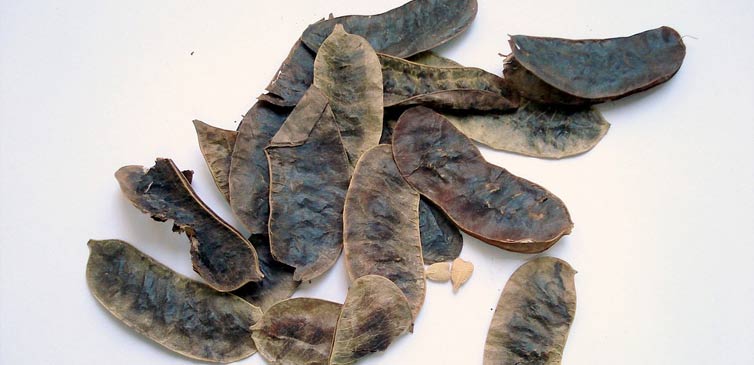
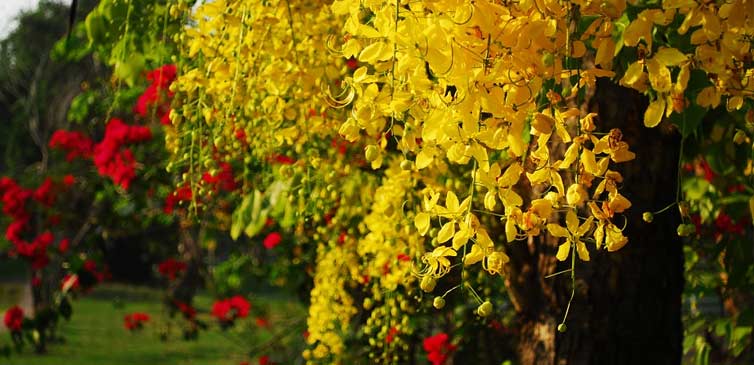
The cassia plant belongs to the Leguminosae family and is commonly found in the tropical areas of India, China, and Africa. The cassia plants have yellow flowers and dark green leaves. The seeds grow in pods, like other leguminous plants.
List of Top 10 Health Benefits Of Cassia Seeds
Cassia seeds are often used as a daily supplement and consumed as a tea, and the seed’s oil relieves joint aches and body pain. The health benefits of cassia seeds are given below.
1. Helps In Weight Loss
Because cassia seeds have laxative properties, they help with weight loss by expelling toxins effectively. It also helps drain water from the body and promotes a slimmer look. Adding cassia seed tea or its extract to your regular detox tea can help you lose those extra pounds. It is known for its purging effects, which can prevent the absorption of carbohydrates and fats in your body to support weight loss.
A study found that cassia seeds caused lipid depletion in white adipose tissue. Adipose tissue stores energy in the form of fat. Obesity is primarily due to the amount of adipose tissue in the body, not a person’s weight. (Source)
Leguminosae seeds are also helpful in non-alcoholic fatty liver disease, an obesity-related disease. In this study, the test was done with ethanol extract. (Source)
2. Improves Digestion of Food
The presence of organic compounds called glycosides in cassia seeds improves gastric secretions to promote digestion. A cup of tea made from cassia seeds will help with quick digestion. It also avoids intestinal dryness, as it has cooling properties and prevents the large intestine from building up heat during digestion.
It can also treat intestinal disorders in kids, like flatulence. Those with stomach pain from indigestion can get relief by massaging cassia seed oil mixed with linseed or almond oil into their navel area.
3. Prevents Constipation
Cassia seeds are widely used for their therapeutic benefits, which include their laxative properties. They contain the purgative anthraquinone-like emodin, which helps treat constipation. Drinking tea made with cassia seeds daily helps keep the large intestine well hydrated and supports bowel movements.
Cassia seed extract helps soften and lubricate stools. It also helps reduce heat buildup in the intestinal tract. (Source)
4. Combats Microorganisms
Cassia seeds can inhibit the growth of microorganisms like fungi, which can cause severe skin infections. It can also kill bacteria and prevent the development of bacterial strains like Bacillus diphtheria, Staphylococcus, and Bacillus coli. Mixing cassia seed powder in drinking water will help cure all kinds of topical infections triggered by fungi.
An infusion of cassia seed extract and alcohol can help treat bacterial infections.
5. Treats Eye Problems
Cassia seeds contain retinoic acid, which has made them a staple in ancient eye care medicines. It can detox the liver and promote vision. These seeds treat various eye problems, such as blurred vision, itchy eyes, glaucoma, red, painful eyes, and dry eyes. (Source)
It is often used in herbal medicines to treat conjunctivitis, bloodshot eyes, and glaucoma using cassia seed extract with gentian root. (Source)
6. Lowers Hypertension
Regular cassia seed tea, like your green tea, will help lower high blood pressure. It can promote blood circulation to help keep blood pressure under control. Cassia seeds can also lower blood lipids.
7. Maintains Cholesterol Levels
Cassia seeds play a pivotal role in preventing serum cholesterol from rising to dangerous levels. They also help prevent the development of atherosclerotic plaque, reducing the risk of cardiovascular issues.
8. Relieves Cold and Flu
Cassia seeds have potent antimicrobial and antiviral properties, making them a natural treatment for cold and flu. Using cassia seed oil can help prevent cold and flu outbreaks. The seeds can relieve headaches, cure colds and flu, and combat infections related to seasonal allergies.
9. Promotes Sleep
Using a cassia seed pillow instead of your foam pillow will help you enjoy a good night’s sleep. The therapeutic properties of these seeds would calm and relax the nerves while gently massaging your head. It is the best cure for people suffering from sleep apnea and insomnia. A pillow made with Cassia seeds stays cool in summer and warm in winter. (Source)
People with chronic neck and shoulder pain can sleep with a cassia seed pillow. The thick texture of the seeds would offer meridian acupoint massage to cure several medical conditions like cervical spondylosis, dizziness, cerebral arteriosclerosis, and insomnia.
10. Soothes Body Pain
Oil extracted from Cassia seeds is an effective treatment for easing joint pain from arthritis. It has anti-rheumatic and anti-inflammatory properties. Massaging the joints with this oil daily can help increase blood flow, improve circulatory efficiency, and support better oxygen supply to the joints.
It can also ease swelling, discomfort, and pain in muscles and tissues by warming them and improving blood circulation. Cassia seed decoction can help kids with teething pain.
If you’re looking for a natural option to help protect against infections, ease body pain, and support healthy weight, keep cassia seeds in your kitchen. You can use them alone or with chrysanthemum or goji berries to prepare tea.
However, avoid using cassia seeds long-term, as they contain anthraquinones that can induce intestinal melanosis. Also, pregnant ladies should not use these seeds, as some components might cause premature labor.
What Are Cassia Seeds?
Cassia seeds are known as jue ming zi in China and were used extensively in ancient Chinese medicine for their healing properties. These tiny seeds vary in color from brownish-green to yellow to dark brown. These seeds have a salty, sweet, and slightly bitter taste.
Cassia seeds are usually cleaned and dried before use and can be utilized either directly or in powdered form to extract their goodness efficiently. They can also substitute for regular coffee by roasting and grinding the dried seeds. This seed is also known by its Latin name, Semen Cassiae.
Cassia seeds have gained immense popularity in recent years because they can benefit your health in several ways by promoting eye health, supporting bowel movements, relieving colds and flu, and restoring liver function. Cassia seeds are known for their laxative properties and are used in Ayurveda as an expectorant, anthelmintic, and ophthalmic.
Side Effects of Cassia Tora Seeds
The benefits of Cassia seeds come from the chemicals chrysophanol, obtusin, and Aurantio-obtusin. These chemicals can also cause side effects. People with diarrhea and other digestive issues should avoid it. It could worsen gastrointestinal problems like diarrhea and gas. Since it works as a nervous system stimulant, the related side effects of anxiety are common, too.
It lowers blood pressure, and people on blood pressure medications should avoid taking it. Pregnant women should avoid it altogether. People suffering from qi deficiency should also avoid it.
According to research by Chauhan and Agarwal M, cassia fistula was found to cause infertility in female rats. However, whether it has the same effect on humans is yet to be ascertained. Women should avoid it during pregnancy or could take advice from their doctor before taking it. (Source)
Some studies suggest that people suffering from liver-related ailments should avoid using it.
How to Make Cassia Seed Tea
Cassia seed tea is easy to make at home. Lightly roasted seeds give a nutty, coffee-like flavor. Here is a simple way:
- Take one to two teaspoons of cassia seeds. Dry-roast them in a pan for a minute or two, until they smell nutty.
- Add the seeds to two cups of water and bring to a boil.
- Lower the heat and simmer for about 10 minutes.
- Strain into a cup and drink it warm.
The tea is caffeine-free, so it suits people cutting down on coffee. The taste is mild, a little bitter, and slightly sweet. For a popular twist, add a few dried chrysanthemum flowers, which many people in Chinese medicine pair with cassia seeds for eye health. (Source) Start with one cup a day and see how your body reacts, since the seeds have a mild laxative effect.
Cassia Seed FAQ
What is cassia seed used for?
Cassia seed is used as a spice in many different foods. It is most commonly used in Indian cuisine, mixed with other herbs to give them flavor. Cassia seed also appears in Middle Eastern cuisine, where it adds a bitter taste to dishes. It is also used in coffee, tea, and other hot drinks. Cassia is the dried fruit of the cassia tree. Cassia seed is a potent source of antioxidants, which help prevent cell damage and promote healthy skin and hair. It contains calcium, magnesium, potassium, zinc, and iron. You can use cassia seed instead of other spices, such as black pepper or cumin, when cooking. However, it has a stronger flavor than these two spices and can be used in smaller amounts to achieve the desired flavor profile in your dish.
Does cassia seed help in weight loss?
Cassia seed is a spice used in many Indian and Chinese dishes. It is also known as cumin seed and has been used for centuries to help reduce weight. Cassia seed contains cinnamaldehyde, which has been shown to suppress appetite and increase calorie burning. It may also help you lose weight by increasing fat burning. Cassia seed is a popular weight loss supplement derived from the bark and seeds of the cinchona tree. Cassia seed has been shown to help reduce fat mass and improve blood sugar levels in people who are obese or have diabetes. Cassia seed also increases energy levels and decreases appetite, leading to weight loss. In addition, cassia seeds may also help lower cholesterol levels and improve blood circulation.
Consult your doctor before taking it regularly if you have a disease.
What is cassia seed tea good for?
Cassia seed tea is made from the dried and ground seeds of the cassia tree. Cassia seed tea has a bitter taste and is often used as a substitute for black tea.
Cassia seed tea suits people looking for an alternative to black tea because it offers many health benefits but contains no caffeine.
Some benefits of cassia seed tea include:
- Helps in reducing stress and anxiety
- Helps improve heart health by reducing bad cholesterol levels and increasing good cholesterol levels
- It might help improve digestion by promoting healthy intestinal flora
What is jue ming zi, and is it the same as cassia seed?
Yes, they are the same. Jue ming zi is the Chinese name for cassia seed, and its Latin name is Semen Cassiae. It comes from the Cassia tora or Cassia obtusifolia plant. In Chinese medicine, it is used mainly for the eyes, the liver, and easy bowel movements.
Does cassia seed tea have caffeine?
No. Cassia seed tea is naturally caffeine-free. It is a drink made from roasted seeds, not from true tea leaves. That makes it a good evening drink or a coffee swap, without the jittery feeling.
What does cassia seed tea taste like?
It has a mild, slightly bitter, and slightly sweet taste. When you roast the seeds first, the tea turns nutty and a bit like weak coffee. Many people add chrysanthemum or a little honey to soften the bitterness.
Is cassia seed the same as senna?
Not quite. Cassia seed (jue ming zi) is a cousin of senna and has a mild laxative effect. True senna, from Cassia angustifolia, is a much stronger laxative. So cassia seed is gentler and is used more for the eyes, liver, and daily wellness.
