

A stye, commonly known as a hordeolum in medical terminology, is an acute infection of the eyelids caused by oil glands. This condition causes a firm, red lump on the eyelid. It results in a head filled with pus. This condition is excruciating. In India, it is also called Ranjanwadi, Bilani, and Anjanika.
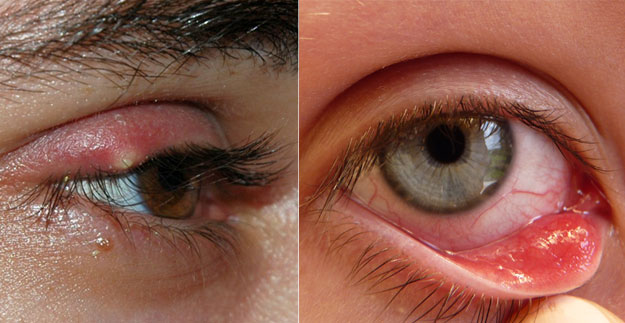
Common causes include dirt, makeup, or other debris, which can clog the pores and infect the oil glands with bacteria. The most common bacteria causing this condition is Staphylococcus, which is responsible for almost 90 to 95 percent of cases. Blepharitis can increase the risk of styes, leading to inflammation of the eyelash follicles. Sometimes, hormonal changes, stress, and hygiene are also responsible for this pain and discomfort condition.
What Is Ranjanwadi? Stye Meaning in English and Indian Languages
Ranjanwadi is the common Marathi name for a stye. In English, Ranjanwadi is simply called a stye (sometimes spelled “sty”), and its medical name is hordeolum. It is the same small, painful, pus-filled lump on the edge of the eyelid described above. Across India, people use different regional names for the same condition, so you may also hear it called Bilni, Anjani, or Guheri.
| Language / Region | Name for a Stye |
|---|---|
| English (medical) | Stye (Sty), Hordeolum |
| Marathi | Ranjanwadi (रांजणवाडी) |
| Hindi | Bilni (also Bilani), Guheri, Anjani |
| Sanskrit / Ayurveda | Anjananamika |
Home Remedies for Eye Stye
Some of the common home remedies that can be applied to keep sties away include the following:
| Home Remedy | How It Helps |
|---|---|
| Coriander seeds | Antioxidant and antiseptic. The wash soothes swelling and cleanses the eye |
| Turmeric | Curcumin is anti-inflammatory and antibacterial |
| Aloe vera | Soothing and cooling effect, it reduces inflammation and pain |
| Chilled tea bag | Tannins reduce swelling; the cold eases itching and burning |
| Cucumber | Cools the eyelid and reduces puffiness |
| Tamarind seeds | Antibacterial and anti-inflammatory |
| Warm salt water | Natural disinfectant. It cleanses and reduces swelling |
| Chopping onions | Tears flush out dirt and irritants from the eye |
| Avoid makeup | Stops bacteria from spreading or worsening the stye |
| Warm compress | Boosts blood flow and helps the stye drain and heal |
1. Coriander seeds
If you have a red, tender lump on your eyelid, one of the best home remedies is to boil a handful of coriander seeds in water. Wash your eyes with this water three times daily to help get rid of a stye.
- Coriander seeds contain antioxidant properties that help in reducing swelling.
- The antiseptic properties of the seeds assist in reducing the effect of the infection.
- Rinsing the eyes with this solution acts as a natural cleanser, promoting faster healing.
2. Turmeric
Add a pinch of turmeric to a glass of water and rinse your eyes. Turmeric has antiseptic properties, so it can help kill the infection in the eyelid.
- Curcumin, an active compound in turmeric, has strong anti-inflammatory and antibacterial properties.
- These qualities help in reducing inflammation and combating bacterial infections.
- Using turmeric can speed up the stye’s healing process.
3. Aloe Vera
Cut a fresh aloe vera leaf with a clean knife and put the pulp in the sore eyelid. It can help relieve the condition and provide cooling relief.
- Aloe vera is known for its soothing and healing properties.
- It contains antioxidants and enzymes that help in reducing inflammation.
- Applying aloe directly to the stye helps in reducing the pain and helps in faster recovery.
4. Tea Bags
The leftover tea bag can cure stye if you have enjoyed your hot cup of tea. Place the tea bag in the chiller for about half an hour. Then, place this cold tea bag on your infected eye. It will help with itching and cure stye.
- Tea contains tannins, which have anti-inflammatory properties.
- These tannins help reduce swelling and redness when applied to the stye.
- The coolness from the chilled tea bag provides immediate relief from itching and burning.
5. Cucumber
Place pieces of fresh cucumber on your eyelids. This helps cool your eyes, reduce swelling, and provide relief.
- Cucumbers have hydrating and anti-inflammatory properties.
- Chilled cucumber slices can soothe the eye and reduce puffiness.
- The cooling sensation provides instant relief from stye discomfort.
6. Tamarind seeds
Tamarind seeds can help treat styes. Soak some tamarind seeds in warm water overnight. Massaging infected eyes with these seeds can help relieve the symptoms.
- Tamarind seeds have antibacterial and anti-inflammatory properties.
- Applying a paste or massaging with soaked seeds helps reduce stye symptoms.
- Regular use helps in faster recovery from the stye.
7. Salt
You can try out this remedy to get relief from this condition. Rinsing eyes with warm salt water twice a day will help relieve stye. It will also help decrease swelling in the eyes.
- Salt has natural disinfectant properties that help combat infections.
- Warm salt water cleanses the eye and reduces bacterial buildup.
8. Chopping Onions
This is one of the easiest home remedies. As you cut an onion, tears come out from your eyes, and this will wash away all the dirt and debris causing infection from the eyes.
- The sulfur compounds in onions release a gas that stimulates tear production.
- This natural tear flow helps flush out irritants and cleanse the eye.
- Onion’s antimicrobial properties help in combating the stye-causing bacteria.
9. Avoid makeup
If you have a stye, avoid eye makeup and maintain good eye hygiene. This also helps prevent contamination of your eye makeup products.
- Cosmetics might harbor bacteria and aggravate an existing stye.
- Avoiding makeup ensures the infection doesn’t spread or worsen.
- Using clean brushes and products post-recovery can prevent future occurrences.
10. Warm compress
Applying a warm compress on your infected eyelid is the best home remedy to cure this painful condition. Add warm water to a bowl, dip a piece of cotton, and leave for 10 minutes. This will help ease pain and support healing.
- Warmth increases blood flow, which accelerates healing.
- The compress soothes the eye, reducing pain and discomfort.
- Regular application can help the stye come
It is also essential to prevent eye infections from happening again. To prevent this, do not poke, squeeze, or pick the stye, and avoid using other people’s eye makeup. Also check the expiry dates of your eye makeup products, as expired products can cause eye infections.
Ranjanwadi (Stye) Treatment: Warm Compress and When to See a Doctor
Most styes are harmless and clear up on their own in about one to two weeks. The single best home treatment is a warm compress. Soak a clean cloth in warm (not hot) water, wring it out, and hold it gently against the closed eye for 10 to 15 minutes, three to four times a day. The warmth improves blood flow and helps the stye drain naturally.
Keep the eyelid clean and wash your hands before and after touching the area. Do not squeeze, pop, or pick at the stye, as this can push the infection deeper.
See an eye doctor if the stye affects your vision, keeps growing, does not improve after about a week of warm compresses, or keeps coming back. Get medical help quickly if the redness and swelling spread beyond the eyelid onto your cheek or face, or if you have a fever. If a stye won’t clear, a doctor may prescribe antibiotic eye drops or ointment, or drain it with a minor procedure. Always talk to a doctor before putting any eye drops or medicine in your eye. You can read more at the Cleveland Clinic and Mayo Clinic.
Do’s and Don’ts for a Stye
| Do | Don’t |
|---|---|
| Apply a warm compress a few times a day | Do not squeeze, pop, or pick the stye |
| Wash your hands before touching your eye | Do not rub your eyes |
| Keep the eyelid clean and free of makeup | Do not share towels, makeup, or eye drops |
| Take a break from contact lenses until it heals | Do not wear contact lenses over a stye |
| Replace old or expired eye makeup | Do not use makeup that is old or contaminated |
Ranjanwadi (Stye) FAQs
What is Ranjanwadi, and what is it called in English?
Ranjanwadi is the Marathi word for a stye. In English it is called a stye, and its medical name is hordeolum. It is a red, painful lump on the edge of the eyelid.
Is Ranjanwadi (stye) eye infection contagious?
A stye is generally not contagious and does not pass from person to person. However, the bacteria that cause it can spread, so wash your hands often and do not share towels, makeup, or eye drops.
What causes Ranjanwadi (stye)?
Most styes are caused by a bacterial infection of the eyelid’s oil glands, usually Staphylococcus. Dirt, old or shared makeup, rubbing the eyes, stress, and poor hygiene can all raise the risk.
Is aloe vera good for a stye?
Aloe vera is a popular home remedy because it is soothing and may calm redness and swelling. Use only fresh, clean gel near the eye, keep it out of the eye itself, and stop if it stings.
Does cucumber help with a stye?
A chilled cucumber slice can cool the eyelid and ease swelling and discomfort. It does not cure the infection, but it can give short-term relief alongside a warm compress.
Does salt water help a stye?
Rinsing with warm salt water can help clean the area and reduce swelling. Use a mild solution, make sure it is not too hot, and keep everything clean to avoid adding more bacteria.
How long does a stye take to heal?
Most styes clear up on their own in about one to two weeks. Using a warm compress a few times a day can help it drain and heal a little faster.
Can I pop or squeeze a stye?
No. Squeezing or popping a stye can push the infection deeper and make it worse. Let it drain on its own with a warm compress.
What eye drops or medicine treat Ranjanwadi?
Most styes do not need medicine and clear with warm compresses. If it doesn’t improve, an eye doctor may prescribe antibiotic eye drops or ointment. Do not use any eye drops without asking a doctor first.
