

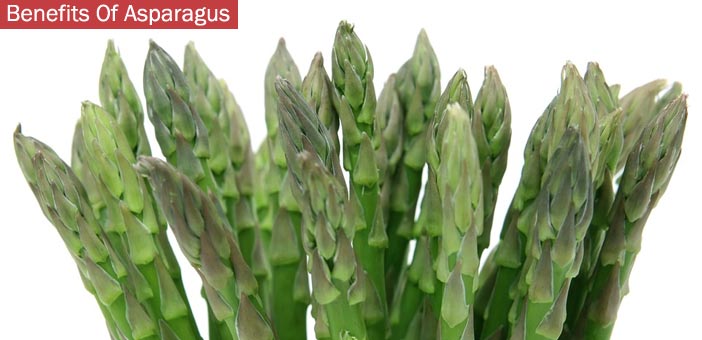
Asparagus, the spring veggie with more than 300 varieties, are found across the globe. It has long been known for its proven health and medicinal benefits. Be it bright green, purple, or white, the versatile plant comes packed with tons of essential nutrients and offers incredible health perks. Find below 13 reasons to consider asparagus as a superfood and fill your plate with it:
Health Benefits Of Asparagus
1. Takes Care Of Digestive Health
When it comes to taking care of our gastrointestinal system naturally, asparagus helps a lot. It contains prebiotics (specific complex carbohydrates) like ‘inulin,’ which remain undigested in our small intestine. When they reached the large intestine, these prebiotics encourages the healthy balance of Lactobacilli (good bacteria) or ‘probiotics’ and improve our nutrient absorption. The veggie is also full of dietary fibers (soluble and insoluble) that facilitate bowel movement and keeps constipation away with their fantastic laxative properties. Moreover, it can cure several digestive issues like abdominal gas, bloating, dyspepsia, dysentery, diarrhea, etc. and promote overall digestive health.
2. Promotes Healthy Weight Loss
There are very few food items that support weight loss, and asparagus is one of them. It is significantly low in fat, and one serving of the veggie contains only around 32 calories. In other words, it can be snacked on anytime, anywhere in a guilt-free manner. A cup of asparagus also fulfills almost 10.9% of our daily fiber requirements, and such high dietary fiber content keeps us filled and satisfied for a long. Furthermore, it is loaded with potassium, which is excellent to keep belly fat under control.
3. Keeps Urinary Tract Healthy
Studies have found asparagus to be a natural diuretic, which improves urination (both volume and frequency) and keeps the urinary tract healthy. The vegetable is rich in antioxidants, vitamins (C and E), and a specific amino acid called asparagine, which cumulatively contribute to its exceptional anti-urolithiasis properties. Including it in the daily diet can help detoxify the body by flushing toxins out of it, thereby preventing the urinary tract’s painful infections.
4. Strengthens Immune System
As said earlier, asparagus is a great natural source of the essential vitamin E, which is also a powerful antioxidant. This vitamin plays a vital role in making the immune system more robust so that the human body does not get easily affected by harmful free radicals. Apart from this chemo-preventive property, asparagus can boost the levels of glutathione in the body. Being another potent antioxidant, glutathione also has a substantial impact on our immunity.

5. Alleviates Iron Deficiency
People suffering from iron deficiency should consider asparagus as a staple in their diet. It is incredibly high in the mineral and can serve as much as 15.9% of its recommended daily intake. Regular consumption of the veggie can increase the amount of hemoglobin in the bloodstream and enhance overall health.
6. Prevents Cardiac Disorders
Asparagus is immensely beneficial for the heart as it is full of essential B vitamins (mostly B6, B9, and B12). According to scientists, when the amino acid ‘methionine’ breaks down and releases homocysteine in the bloodstream, vitamin B successfully converts it into cysteine. This averts homocysteine levels from rising dramatically and keeps issues like venous thrombosis, atherosclerosis, etc., under control. The veggie also possesses an anti-inflammatory flavonoid named rutin. This helps maintain cardiovascular health by treating hemorrhoids, strengthening blood vessels, and easing hypertension. Also, the dietary fibers present in it reduce cholesterol levels in the blood, which lowers the risks of developing fatal cardiovascular diseases.
7. Averts Type 2 Diabetes
Asparagus’s anti-inflammatory properties can improve the secretion of insulin hormone and, thus, keep a check on blood sugar levels. Studies have found that its vitamin B content also stimulates starch metabolism in the body. Due to this, it maintains healthy levels of blood sugar and preventing type 2 diabetes. The anti-diabetic effect of asparagus is also attributed to the mineral chromium found in the vegetable in abundance.
8. Supports Bone Health
The green leafy vegetable is a potent natural source of vitamin K and can keep bones healthy and strong. It aids the body to absorb calcium from foods, which is crucial for both the formation of new bones and repairing damaged ones. In other words, it helps in keeping bone disorders like osteoporosis and osteoarthritis at bay.
9. Lowers Inflammation In Joints
Apart from maintaining bone health, asparagus is also quite useful in lowering the inflammation in joints. It is filled with vitamin B9 or folate and works as a great natural anti-inflammatory agent, treating chronic joint inflammation like rheumatoid arthritis efficiently. Regular intake of the vegetable is known to relieve the pain associated with the condition to a great extent.
10. Cures Neurodegenerative Diseases
Several research types have confirmed that asparagus contains loads of phytoestrogens, which have remarkable neuroprotective effects on the human body. Therefore, making it a regular meal can keep away several neurodegenerative diseases, including Alzheimer’s disease, Parkinson’s disease, Huntington’s disease, etc.
11. Fights Against Cancer
Wild asparagus contains ‘saponins,’ a group of phytonutrients, which have significant anti-carcinogenic effects on humans. Anthocyanins present in purple asparagus are potent antioxidants and can fight against damaging free radicals to protect a person from cancer.
12. Treats Epilepsy Symptoms
The root of asparagus has long been known for its anti-epileptic effects. It helps cure the symptoms of epilepsy, such as repeated convulsions, seizures, etc., by prohibiting the damages to the brain tissues, which prevents the brain from transmitting abnormal signals.
13. Eases Menstrual Cycles
Be it easing pre-menstrual bloating or reducing menstrual cramps; asparagus is a perfect solution for all menstrual-cycle related issues. It is full of essential nutrients, making women feel good during periods by combating fatigue and depression. It also regulates blood loss and helps maintain a perfect hormonal balance throughout the menstruation days.
However, too much consumption of asparagus can lead to excessive abdominal gas, kidney stones, and allergic reactions. So, consume it in moderation and make it a point not to undercook or overcook it for enjoying optimal benefits.
