

Prekese, or Tetrapleura tetraplera, is native to West tropical Africa and belongs to the pea family. The plant’s fruits have a pungent aromatic odor and insect-repellent properties. It is primarily used as a spice. It is used as a medicinal plant mainly in Nigeria and other African countries. Some of the top diseases for which it is used medicinally are inflammation, convulsions, skin ailments like leprosy, and rheumatoid pains. Uyayak, Edeminang, Osakirisa, Osho, Dawo, Ojewole, and Adewunmi are other names of Prekese.
Prekese is a rich source of antioxidants, with high concentrations of vitamins, minerals, and phytochemicals. It also has anti-inflammatory properties. Its leaves, bark, and, above all, fruits contain medicinal properties.
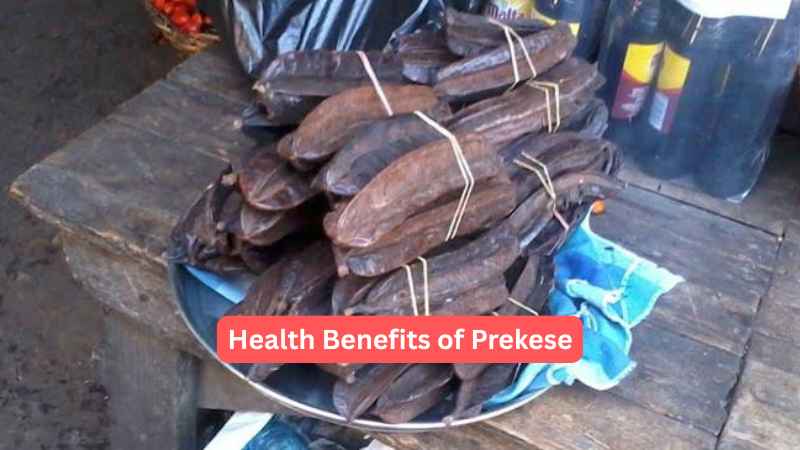
Prekese has a rich history in traditional medicine. It is often used for its potential therapeutic benefits in managing conditions like diabetes and hypertension, and for inflammation and febrile ailments. Its antioxidant and presumptive anti-inflammatory properties are getting recognition. However, research in these areas is still in progress.
Other Names of Prekese: English Name and Local Names
Many readers look for the English name of Prekese and the names used in different parts of Africa. In English, Prekese is called the Aidan fruit. It is also known as the “four corner spice” because of its four-winged pod, and in Ghana it is fondly called “soup perfume” for its sweet aroma. The table below lists the common Prekese names by language and region.
| Language / Region | Name for Prekese |
|---|---|
| Botanical name | Tetrapleura tetraptera |
| English | Aidan fruit, Aidan tree, four corner spice |
| Ghana (Twi / Akan) | Prekese (Prɛkɛsɛ), “soup perfume” |
| Nigeria (Yoruba) | Aridan, Aidan |
| Nigeria (Igbo) | Oshosho, Osakirisa, Obogolo, Uhio |
| Nigeria (Hausa) | Dawo |
| Nigeria (Efik / Ibibio) | Uyayak, Edeminang |
| Nigeria (Edo / Bini) | Ighimiakhie, Eseyeseye |
| Cameroon (Bassa / Ewondo) | Sassas, Essissa |
Prekese in Traditional Medicine
| Region | Traditional Use |
|---|---|
| West Africa | Used in soups and stews for medicinal benefits |
| Ghana | Postpartum care for new mothers |
| Nigeria | Used to treat fever and inflammation |
| Sierra Leone | Used in traditional medicine to manage blood pressure |
| Ivory Coast | Herbal mixtures for detoxification |
Let’s have a look at the Top 14 Health Benefits of Prekese
1. Wound Healing Properties
Wet fruit extract of dried Prekese has excellent wound-healing properties. Traditionally, people use the aqueous fruit extract for healing, and scientific evidence supports this. However, a study at the University of Uyo found that the low-concentration extract (200mg/ml) was more effective than the high-concentration extract (2000mg/ml). Another study found that T. tetraptera therapy helps heal dermal wounds. [1] This happens due to tensile strength improvement. It also states that prekese helps with epithelialization and contraction.
Always use a low concentration of the fruit extract to heal wounds for best results.
2. Convulsion Management
In traditional medicine, an herbal mixture of stem, fruit, and leaves treats convulsions. A study at the University of KwaZulu-Natal found that the fruit’s aqueous extract has anticonvulsant properties. [2] It is also helpful for epilepsy patients in managing and controlling the condition. The fruit extract can slow nervous system activity.
3. Analgesic Properties
The same study also found that Prekese has analgesic properties. Due to this, the extract is often used to manage arthritis pain. It reduces inflammation in patients with arthritis and rheumatism. Research has found that T. tetraptera has analgesic and anti-inflammatory effects. [3] This was possible by Aridanin, extracted from the fruit and tested on mice.
4. Fever & Enema
People recovering from a medical condition are often asked to bathe in water soaked with whole fruit. This also gives fast relief from feverish conditions. A similar infusion also helps people with constipation, enema, and emetic. The fruit also helps ease malaria fever symptoms. [4]
The entire fruit of T. tetraptera is used to make a medicinal solution. This solution is used in bathing for patients recovering from illness as it reduces feverish symptoms. It also acts as a bowel cleanser by relieving constipation and inducing vomiting. The soft parts of the fruit and the bark benefit diabetes, inflammation, and rheumatic pain. [5]
5. Flavonoids & Phenolic Acids
Prekese is rich in flavonoids, which possess antioxidant and anti-inflammatory benefits. These properties help prevent heart disease. Phenolic extract of the fruit was found to help prevent and control hyperuricemia. [6] This is due to its phenolic acids and flavonoid content.
In a study at the University of Cape Coast, Ghana, it was found to be rich in compounds like phenols, flavonoids, and more. [7] It has antioxidant properties where it can bind with metals, known as metal chelation. These data support the traditional medicine use as a natural antioxidant.
6. Diabetes
According to a study in rats, Tetrapleura tetraptera, or Uyayak, helps control type 2 diabetes mellitus. [8] In the same paper, researchers also found that it helps reduce paw swelling. Prekese fruit extract helped lower blood glucose levels in fasting and nonfasting conditions. In traditional Nigerian medicine, it is primarily used in South Western Nigeria to treat the disease.
7. Mosquito Repellant
The fruit has a strong smell, so it is often used as a mosquito repellent and is practical, too. This property is due to the presence of essential oils in it. In eastern Nigeria, the fruit is used as a purgative and an emetic. [9]
8. Antimicrobial
Because of the antibacterial and antimicrobial properties of the prekese, the fruit extract is used to make soap. The soap not only have medicinal benefits for the skin, but it also improves the hardness and the foaming.
Lin Lin and Kwabena Agyemang studied the antibacterial mechanism of Tetrapleura tetraptera extract. According to a study, prekese root extract kills pathogenic bacteria such as E. coli and Staphylococcus aureus. It breaks down bacterial cell walls and disrupts their energy-making process. More research can make it a new source of antibiotics. [10]
9. Postpartum Care
Edeminang pod is an additive in postpartum soup to help prevent contractions. These pods are rich in calcium, potassium, and iron, three vital nutrients for postpartum women. The soup also helps new mothers produce milk and helps restore lost blood.
Prekese fruits are used to treat postpartum contractions. This is due to bioactive compounds such as alkaloids, flavonoids, saponins, tannins, phenols, and glycosides. These compounds help ease postpartum contractions. In addition, the fruit also contains essential oils rich in carboxylic acids and terpenes. It has antioxidant activity, similar to vitamins and minerals like Vitamin C, E, Fe, and Zn. [11]
10. Gastrointestinal Disorders
Its use in gastrointestinal-related ailments is due to the presence of phytochemicals. The fruit extract helps cure problems like diarrhea, vomiting, or stomach pain. We discussed the phytochemicals present in prekese below.
Tetrapleura tetraptera extract contains high amounts of phenolic and flavonoid compounds. These compounds show antioxidant properties. One study used human gastric cells. The extract showed anti-inflammatory activities. It reduced inflammatory markers such as interleukin-6 and -8, as well as NF-κB-driven transcription. These data cement that Tetrapleura tetraptera effectively treats gastrointestinal disorders by suppressing inflammation in gastric cells. [12]
11. High in Nutritional Value
Prekese is rich in phytochemicals that help keep a person healthy. It is also rich in nutrients like –
| Nutrient | Amount per 100g |
|---|---|
| Calories | 62 |
| Carbohydrates | 13g |
| Protein | 2g |
| Fat | 1g |
| Fiber | 8g |
| Calcium | 22mg |
| Iron | 3mg |
| Magnesium | 98mg |
| Phosphorus | 60mg |
| Potassium | 450mg |
| Sodium | 9mg |
| Vitamin C | 14mg |
| Vitamin A | 7ug |
12. Good for Heart Health & Treatment of Cardiovascular System
Prekese is a dietary supplement shown to improve cardiac health by promoting healthy blood vessel development. In particular, it helps to reduce inflammation and atherosclerosis (hardening of the arteries). Prekese is also known to improve endothelial function, which can help protect against cardiovascular disease. Prekese might help you decrease your risk for stroke, high cholesterol levels, coronary artery disease, and other cardiovascular problems. Aspirin-like compounds found in Prekese help reduce platelet aggregation, minimizing the likelihood of heart attacks or strokes.
13. Boosts Immune System
Prekese can boost the immune system in several different ways:
- Prekese is high in vitamin C, which helps to increase your body’s resistance to infections and fights against cancer cells.
- Prekese contains antioxidants that help protect your cells from damage and reduce inflammation. Prekese also has anti-inflammatory properties that can improve joint health and alleviate pain associated with arthritis or other conditions.
- Precision diets are high in fiber, which helps keep you feeling full longer and decreases the chance of constipation or other gastrointestinal issues.
Prekese is often called a wonder fruit because of its medicinal properties and practical health benefits in curing many diseases.
A study found that prekese extracts successfully neutralize free radicals like DPPH and Nitric oxide. These extracts also protect a few important enzymes from oxidative damage. They help protect against the harmful effects of toxic metals by reducing oxidative stress. It is a bright source of natural antioxidants. [13]
14. Antihypertensive Effects
Prekese helps lower high blood pressure. The plant’s bioactive components help treat chronic ailments. The water-based extract of Tetrapleura tetraptera contains compounds such as flavonoids, cardiac glycosides, phenols, and terpenoids. These compounds have medicinal properties like antioxidant, antidiabetic, and antihypertensive. [14]
How to Use Prekese: Tea, Powder, Syrup and Pods
Prekese is easy to use at home. Most people buy the dried pod. You can use the whole pod, break it into pieces, grind it into powder, or take it as a ready-made syrup. Here are the common forms and how to use them.
Prekese Pods
The whole dried pod is the most natural form. People break a piece off, rinse it, and add it to soups, stews, and pepper soup for aroma and flavor. You can also boil the same piece in water to make a drink. Pods store well in a cool, dry place for a long time.
Prekese Powder
Prekese powder is simply the dried pod ground into a fine spice. It is quick to use because you do not have to break a hard pod. Add a small spoon to soups, teas, or smoothies. When people compare prekese pod vs powder, the pod keeps its aroma longer, while the powder is faster and easier to measure.
Prekese Tea (Prekese Drink)
Prekese tea, also called prekese drink, is one of the most popular ways to take the fruit. A simple way to make it:
- Break one dried pod into small pieces to release the aroma.
- Rinse the pieces lightly with clean water.
- Add them to 3 to 4 cups of water in a pot.
- Bring to a boil, then simmer for 15 to 20 minutes.
- Strain into a cup. You can drink it warm, or cool it and drink it cold.
Some people add ginger, cloves, cinnamon, or a little honey for taste. Many prefer to drink it after food rather than on an empty stomach, as the strong brew can upset a sensitive stomach. Start with a small amount to see how your body reacts.
Prekese Syrup
Prekese syrup is a ready-made liquid, often blended with other herbs and sweeteners. It is handy for people who do not want to boil the pod. Since the exact mix varies by brand, always read the label and check the ingredients before use.
Popular Prekese Combinations and Their Benefits
In traditional West African wellness drinks, people often pair prekese with other kitchen herbs and spices. These pairings are popular for taste and traditional use. The table below shows the combinations people ask about most.
| Combination | Traditional Reason for the Pairing |
|---|---|
| Prekese and ginger | Warming drink often taken for digestion and general wellness |
| Prekese and cloves | It is primarily added for aroma and traditionally for oral and gut comfort |
| Prekese and garlic | A strong tonic, linked with heart and blood pressure support in traditional medicine |
| Prekese and cinnamon | Sweet, warming blend consumed as daily wellness tea |
| Prekese and hwentia (negro pepper) | Common Ghanaian and Nigerian mix. Used after childbirth and for a “flat tummy” drink |
These combinations come from folk practice. They are not a cure for any disease, so use them in moderation and speak to a medical professional if you are on medication or have a health condition.
Prekese Benefits for Women and Men
Both men and women use prekese in traditional medicine. Below is a simple look at how it is traditionally used for each, along with a note of caution.
Prekese Benefits for Women
Prekese is best known for its use after childbirth. As noted earlier, new mothers add the pod to soup to support recovery, help with milk flow, and ease postpartum contractions. Because it is rich in iron, calcium, and potassium, it is also valued as a nourishing food during this time.
Prekese Benefits for Men
For men, prekese is taken mainly as a general wellness drink. Its antioxidant, anti-inflammatory, and blood pressure-supporting properties, covered in the benefits above, are the same reasons men use it in daily tea.
Prekese and Fertility: A Word of Caution
Some people take prekese hoping it will support fertility, but strong scientific proof for this is limited. More importantly, prekese should never be taken during pregnancy, as it can trigger preterm uterine contractions. If you are trying to conceive, are pregnant, or are breastfeeding, talk to your doctor before using prekese in any form.
Spiritual and Cultural Meaning of Prekese
Beyond food and medicine, prekese holds a special place in West African culture. In Ghana, the Akan people call it “soup perfume” and have long celebrated its sweet, far-reaching scent, which even appears in traditional sayings and chiefly symbols. Because of this pleasant aroma, some communities use prekese in cleansing baths and home rituals, believing it brings freshness, calm, and positive energy to a space.
These spiritual uses are cultural beliefs and traditions. They are not medical claims and are not backed by science, but they explain why prekese is so respected across the region.
Side Effects and Precautions
| Potential Side Effect | Precaution |
|---|---|
| Allergic Reactions | Test on a small area before extensive use |
| Interaction with Medications | Speak with a healthcare provider |
| Gastrointestinal Issues | Use in moderation if you have a sensitive stomach |
| Pregnancy and Breastfeeding | Seek medical advice before use |
| Excessive Consumption | Avoid overuse to stop potential toxicity |
| Skin Irritation | Discontinue use if irritation occurs |
Key Facts About Prekese (Tetrapleura Tetraptera)
- Origin: Native to West Africa
- Family: Fabaceae family
- Tree Appearance: Medium-sized tree, up to 20-25 meters tall
- Leaves: Compound with small, oblong leaflets
- Flowers: Small, pinkish flowers
- Fruits: Brown, ribbed pods with a strong, aromatic scent
- Culinary Use: Used as a spice and flavoring in soups and stews
- Health Benefits: Used for immune health, managing diabetes, and reducing inflammation in traditional medicines
- Nutrition: Contains iron, calcium, potassium, and antioxidants
- Cultivation: Flourishes in tropical climates with well-drained soil
- Propagation: Typically grown from seeds
- Traditional Uses: Used in folk medicine and as an insect repellent
Prekese FAQ
What does Prekese do for the body?
Some of the well-known benefits of Prekese are –
- Prevents post-partum contraction in new mothers
- Helps in preventing growth of bacteria
- Helps in some types of ulcers
- It is often used as anti-microbial
- It also helps in reducing hypertension
- Supports in managing asthma
- Aidan fruit also helps to promote proper blood flow
What is Prekese called in English?
Prekese is called Aidan fruit in English.
Can a pregnant woman take prekese?
No, pregnant women should not take Prekese, also known as Aidan fruit, under any circumstances. It can cause pregnancy loss or miscarriage due to preterm uterine contractions.
Is Prekese an immune booster?
Yes, Prekese is known for its immunity-enhancing properties. The Aidan fruit has high Flavonoid content and is highly antioxidant and anti-inflammatory. This helps boost the immune system.
What does Prekese contain?
Prekese contains phenols, flavonoids, alkaloids, tannins, terpenoids, steroids, saponins, sugars, and amino acids.
How is Prekese used in cooking?
In cooking, people use prekese as a spice in soups and stews. It provides a distinct flavor to the food.
Where can I buy Prekese?
Prekese is generally available in African grocery stores, herbal medicine shops, as well as online marketplaces.
What is Prekese used for?
Prekese is used as a cooking spice in soups and stews, and as a traditional remedy. People take it for postpartum care, digestion, fever, inflammation, high blood pressure, and as a general wellness tea.
How do you make Prekese tea?
Break one dried pod into pieces. Rinse it and boil it in 3 to 4 cups of water. Simmer for 15 to 20 minutes, then strain and drink. You can add ginger, cloves, or cinnamon for taste.
What is the difference between Prekese pod and Prekese powder?
The pod is the whole dried fruit and keeps its aroma longer. The powder is the pod ground into a spice, which is faster and easier to measure. Both come from the same fruit.
When should I drink Prekese?
Many people drink prekese tea after a meal rather than on an empty stomach, as the strong brew can upset a sensitive stomach. Start with a small amount and see how your body feels.
Are Prekese seeds poisonous?
People usually use the soft pulp and pod in food and drinks, not the hard seeds. The pod itself isn’t known to be poisonous in normal food amounts, but use it in moderation and stop if you notice any bad reaction.
Can Prekese and hwentia help with a flat tummy?
Prekese and hwentia (negro pepper) is a popular traditional drink, and some people take it as part of a weight or “flat tummy” routine. Any real results depend on overall diet and exercise, so treat it as a supporting drink, not a magic fix.
What are the religious benefits of Prekese?
In parts of West Africa, people use prekese in cleansing baths and home rituals for its pleasant aroma. It also provides freshness and a sense of calm. These are cultural and spiritual beliefs, and not medical claims.
Conclusion
Prekese, or Tetrapleura tetraptera, offers a range of health benefits. It helps in managing diabetes and hypertension and provides antimicrobial and wound-healing properties. Its nutrient-rich nutritional profile and potent antioxidant, analgesic, and anti-inflammatory effects make it a priceless addition to traditional and modern medicine. Embracing Prekese in your diet or as a natural remedy can support improved health and well-being.
References
- Department of Biological Sciences, Faculty of Science, University of Maroua, Maroua, Cameroon – https://www.ncbi.nlm.nih.gov/pmc/articles/PMC4576802/
- NCBI Labs – https://www.ncbi.nlm.nih.gov/labs/articles/16372367/
- Department of Pharmacognosy, Faculty of Pharmacy Obafemi Awolowo University, Ile-Ife, Osun State, Nigeria – https://www.ncbi.nlm.nih.gov/pmc/articles/PMC2816426/
- Department of Environmental Science, University of Cape Coast, Cape Coast, Ghana – https://www.ncbi.nlm.nih.gov/pmc/articles/PMC6895743/
- Department of Pharmacognosy, Faculty of Pharmacy Obafemi Awolowo University, Ile-Ife, Osun State, Nigeria – https://www.ncbi.nlm.nih.gov/pmc/articles/PMC2816426/
- Emmanuel Anyachukwu Irondi, Ganiyu Oboh, Samson Olalekan Agboola, Aline Augusti Boligon, Margareth Linde Athayde – http://www.sciencedirect.com/science/article/pii/S2213453015000567
- Department of Environmental Science, University of Cape Coast, Cape Coast, Ghana – https://www.ncbi.nlm.nih.gov/pmc/articles/PMC6895743/
- Department of Pharmacology, Faculty of Health Sciences, University of KwaZulu-Natal, Private Bag X54001, Durban 4000, South Africa – https://www.ncbi.nlm.nih.gov/pubmed/15507333
- Department of Pharmacognosy, Faculty of Pharmacy Obafemi Awolowo University, Ile-Ife, Osun State, Nigeria – https://www.ncbi.nlm.nih.gov/pmc/articles/PMC2816426/
- Lin Lin, Kwabena Agyemang, Mohamed Abdel-Shafi Abdel-Samie, Haiying Cui – https://onlinelibrary.wiley.com/doi/abs/10.1111/jfs.12693
- Laboratory of Quality and Safety of Agro-food Products, TERRA, Gembloux AgroBio-Tech, Liege University, Gembloux, Belgium – https://www.ncbi.nlm.nih.gov/pmc/articles/PMC7376214/
- Department of Biochemistry, Faculty of Science, University of Dschang, Dschang P.O. Box 96, Cameroon – https://www.ncbi.nlm.nih.gov/pmc/articles/PMC10045632/
- Laboratory of Biochemistry, Department of Biochemistry and Physiological Sciences, Faculty of Medicine and Biomedical Sciences, University of Yaoundé I, P.O. Box 1364, Yaounde, Cameroon – https://www.ncbi.nlm.nih.gov/pmc/articles/PMC4556075/
- Department Human Anatomy, Federal University of Technology, Akure, Nigeria – https://www.ncbi.nlm.nih.gov/pmc/articles/PMC8562241/
