

Liquorice is known as yashtimadhu in Ayurveda. It is referred to a root of a plant called Glycyrrhiza glabra. It is a legume native to parts of Asia and southern Europe. It is a sweetener that is mainly used in candies and beverages. The evidence of medicinal uses of Liquorice can be seen in ayurvedic granthas or scriptures, which were documented many thousands of years ago.
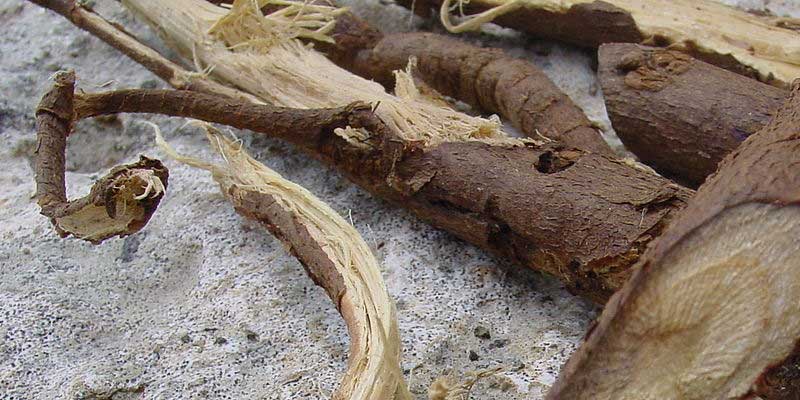
Chemical Composition of Liquorice
Liquorice has potentially healing chemicals that treat a host of diseases. Glycyrrhizin the sweetener, is 50 times sweeter than sugar. Flavonoids, glabridin, starch, sucrose, dextrose, proteins, fat, and phytoestrogens.
Properties and Functioning of Liquorice
- Vatta Pitta nashaka (Pacifier)
- Vatanulomana
- Regenerates blood cells
- Helpful in throat infections
- Diuretic
- Increases sperm count
- Rejuvenator
- Antipyretic
- Anti-inflammatory
- Anti-microbial
- Anti-allergic
- Useful in many skin diseases.
- Kapha nissaraka (expels kapha)
- Antioxidant
- Immunity booster
- Expectorant
- Blood purifier
Medicinal Benefits of liquorice
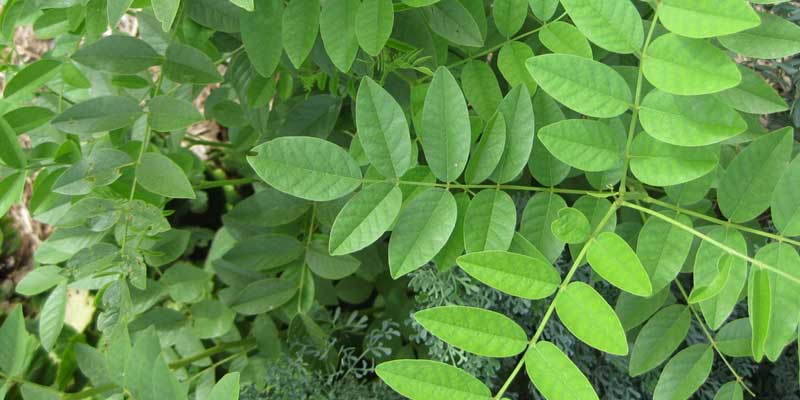
Liquorice, an ancient drug, has excellent medicinal effects on each part of the body, especially the respiratory, excretory, digestive, and skin. Here we will discuss the wonderful effects of Liquorice on the skin (the largest organ of our body).
Liquorice has anti-inflammatory, antioxidant, and cooling properties, making it a beneficial drug for skin (dermatological) ailments.
Hyper pigmentation – Liquorice has been proved to be a wonder drug in lightening the skin. Glabridin reduces the formation of excess melanin pigment and balances the skin by preventing pigmentation.
Psoriasis – as Liquorice is vata pitta nashaka, it pacifies the aggravated vata and pitta, thus reducing the irritation, inflammation, and itching in psoriasis.
Eczema – Liquorice has an antioxidant property and is a blood purifier. Therefore, regular consumption and application of Liquorice expels the toxins, purifies the blood, and relieves the symptoms of eczema.
Rosacea – It is a coolant and pitta naashak (pacifier) property that reduces inflammation, redness, and irritation.
Acne – The antioxidant property of Liquorice protects the skin from damage induced by free radicals. It controls oil production and reduces inflammation and pain, making it an essential herb for acne.
Skin whitening and lightening – Liquorice has a natural and attractive brightening property that slowly fades away the dark spots, hyper-pigmentation, under the eye dark circles, sunburns, and tanning of the skin. It is a natural sunscreen that protects the skin from harmful UV rays. Continuous use of Liquorice gives a bright, white, lustrous, wrinkle-free, and glowing skin.
Liquorice Home Formulations
Liquorice can be taken internally and applied over the skin for effective results.
Internally
Liquorice taken internally removes all the toxins, nourishes the cells and tissues, and prevents cell damage exhibiting a bright, glowing skin.
- Boil 1 tsp. of liquorice powder in a glass of water, reduce to half and drink the decoction 2-3 times a day in all dermatological diseases and to maintain healthy skin.
- Mix 1 tsp. liquorice powder and honey and lick it 4-5 times a day.
- Chew a piece of Liquorice to get relief from mouth ulcers.
- Liquorice with other herbs like katuki, manjistha are very helpful in skin diseases.
Externally
- Liquorice decoction can wash the scars and wounds in various skin diseases.
- Prepare a face pack with liquorice powder, Multani mitti, turmeric, and rose water and apply it to your face and rinse with warm water once it’s dry. Add a few drops of almond oil or olive oil to keep your skin moist and hydrated. This pack brightens your skin and makes you look fairer.
- Apply licorice oil gently over the face with a cotton swab, let it stay the whole night, and wash it in the morning for fair and lustrous skin.
- For sunburn or tan, prepare a paste of cucumber and liquorice decoction and apply it to the affected parts.
- Prepare a skin-lightening face pack with 1 tbsp. licorice powder, 1 tsp. Cooked oats and rose water. Apply it on the face and massage gently for 5 minutes. Allow it to dry for 15-20 minutes and wash with lukewarm water. You can repeat it 2 to 3 times a week for best results.
- Cleansing pack, mix 1 tsp. rice powder, 1 tsp. Oat flour, ½ tsp. Liquorice powder with warm water and apply it on the face, and wash with warm water once it is dry. You can add milk powder if you are not allergic to milk for more hydration and luster.
Liquorice (yashtimadhu/madhuyashti) has been proven to be the most effective drug for skin ailments. Its cleansing, moisturizing, brightening, and skin lightening properties have influenced and attracted the cosmetic industry and outreached as a medicinal herb for various skin ailments. Not only the skin but Liquorice has also been used in multiple other ailments making it a versatile drug. Let us save our skin from hazardous chemical-based cosmetics and replace them with natural herbs like Liquorice on our shelves.
