

What Is Chicken Pox?
Chicken pox or varicella is a common viral infection that is highly contagious and occurs mostly in kids and grownups who are not vaccinated [1]. The major cause of this disease is the infection caused by the varicella-zoster virus [2], often associated with symptoms like headache, fever with high temperature and lack of appetite. However, the major symptom of chickenpox is tiny and itchy fluid-filled blisters, which will develop scabs eventually. This itchy chicken pox rash lasts about a week to 10 days and will heal gradually. As these red blisters measure about half an inch in size and look similar to chickpeas, they are referred to as chicken pox [3].

Understanding Chicken Pox Scars
Chickenpox develops blisters and post-inflammatory hyperpigmentation on your skin, which might be very itchy, especially at night. So, it is natural for both kids and adults to scratch or pick at the blisters to relieve itchy sensation. However, such activities might cause severe injury, leaving a deep scar after the blister heals. Your skin might even develop depressed and indented scars, which can look unsightly. These scars occur when your skin cannot produce enough collagen to offer coverage to the blister wound that is healing [4]. Chicken pox scars vary in appearance and depth, ranging from pockmarks that are highly indented to shallow depressions. There are various types of chicken pox scars, such as:
- Rolling Scars: Sometimes, your chicken pox blisters might leave undulating scars with a wavy design caused by the lesion’s uneven healing process.
- Atrophic Scars: These scars have a pitted and depressed look due to the lack of skin tissue formation during the healing period.
- Ice Pick Scars: Unlike other types of chicken pox scars, ice pick scars look like tiny wounds created by tiny punctures on the skin, which are caused by uneven skin lesions.
- Hypertrophic Scars: These scars are often thick and raised and occur owing to excess production of collagen when your skin is healing.
- Boxcar Scars: These scars are broad and depressed, featuring well-defined edges, making your skin appear box-like.
The Natural Healing Process of Chicken Pox Scars
Your skin has an amazing ability to heal wounds or scars over time [5]. As the scars left by chicken pox are mostly due to skin tissue getting damaged, your body accelerates its healing prowess by improving collagen production for quick skin regeneration. But, this natural healing process might not always lead to perfect restoration in terms of the appearance and texture of the skin.
After developing a chickenpox infection, your skin might need about 6 months to a year to remove your scars gradually. The healing time for scars usually varies from one person to another. Generally, mild intensity marks will begin to fade in a few weeks, while highly depressed scars might require months to show visible differences. During the healing period, your body reconstructs the skin structure and tissue formation by supplying enough collagen. However, some chicken pox scars might be stubborn and need you to treat them to eliminate them.
Top Natural Remedies for Scar Reduction
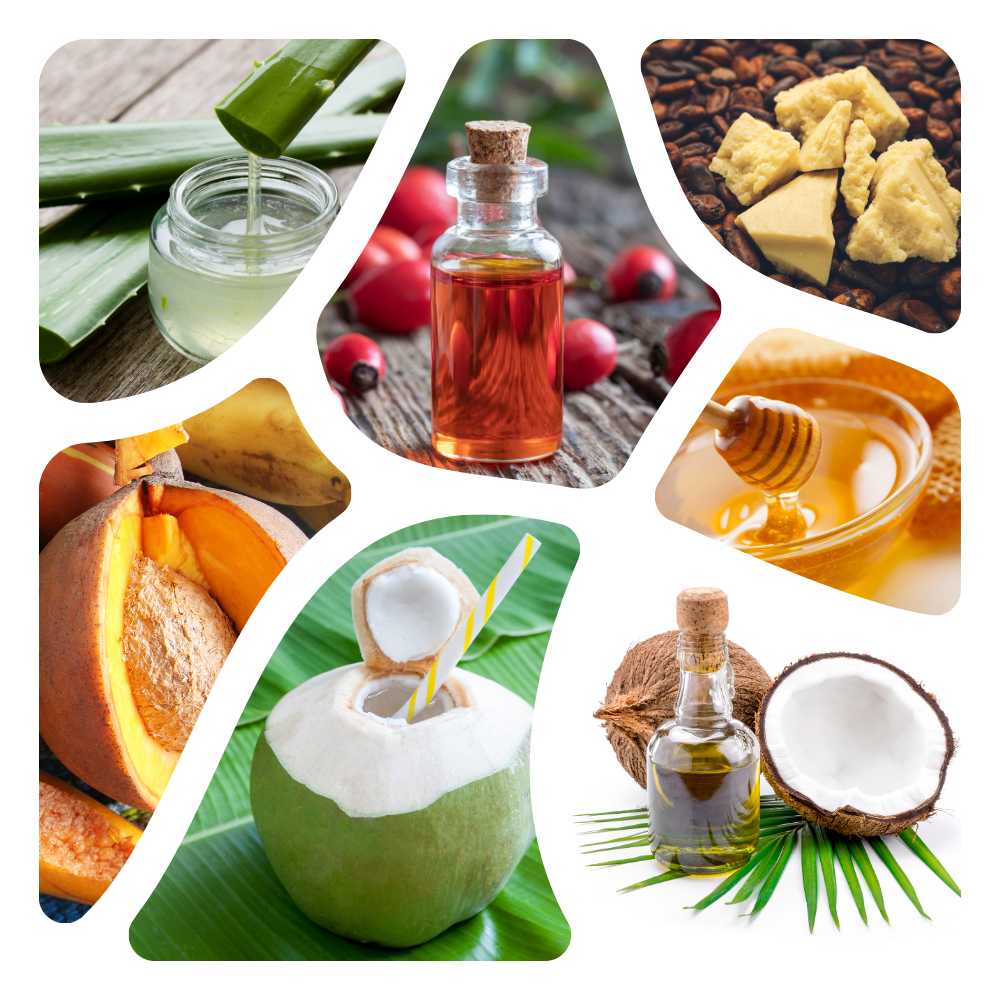
Natural remedies that can help lower the appearance of chicken pox scars are discussed below.
1. Aloe Vera Gel
The Aloe vera plant is popular for its soothing properties, and the presence of antioxidants in its gel helps diminishdiminish the scars by fading them with frequent application. It has antimicrobial ability and anti-blemish properties, which help in lightening the scars [6]. The enzymes found in aloe vera gel penetrate through the epidermal to promote cell turnover and muscle turnover [7].
2. Rosehip Oil
The oil extracted from rosehip is an ideal choice to lower scars caused by chicken pox, as it has therapeutic properties [8]. The blend of phytochemicals like ascorbic acid, fatty acids, and antioxidants in rosehip oil helps remove the scars effectively. Apply rosehip oil after mixing with a carrier oil on chicken pox scars regularly to notice visible results.
3. Cocoa Butter
The plant-derived fat is loaded with antioxidants to prevent free radicals and keep your skin nourished [9]. It is a pore-cleansing agent that maintains moisture levels in your skin. Its healing abilities help in removing the scabs from your chickenpox blister wounds. Massage the affected area with cocoa butter and leave it for 10 minutes. Wipe it using a wet washcloth.
4. Honey
Honey is a natural antimicrobial ingredient that is also full of antioxidants. It has rich moisturizing properties and refining effects [10]. Regular application of honey alone or using it with bleaching ingredients like lemon will be beneficial for lightening the scars.
5. Vitamin E
It is a popular remedy used for removing deep chicken pox scars. Vitamin E can fasten your skin’s healing process by eliminating dead skin cells rich in anti-inflammatory properties. It is a popular remedy used for removing deep chicken pox scars. Vitamin E can fasten your skin’s healing process by eliminating dead skin cells rich in anti-inflammatory properties. Some of the fruits rich in Vitamin E are Mamey Sapote, Avocado, Mango, Blackberries, Black Currants, Olives etc.
6. Coconut Water
The water extracted from fresh, tender coconuts is an effective choice to get rid of chicken pox scars. The lauric acid found in coconut water helps keep your skin moisturized. It also diminishes deep scars of chicken pox and keeps skin dryness at bay. Thanks to its antibacterial ability, it also helps prevent infections of pockmarks.
7. Coconut Oil
Coconut oil is a skin protectant and an emollient, which makes it a perfect choice to handle the deep scars of chicken pox [11]. Even if you have developed blisters recently, rubbing some coconut oil on it will speed up the healing process of the wounds [12]. It works by draining the fluid and drying the scabs of chicken pox blisters [13]. It is a natural antibacterial and antimicrobial product that restricts the growth of bacteria and viruses and prevents itchiness and redness of the skin [14].
Diet and Nutrition for Skin Health
To prevent chickenpox or promote your skin’s healing ability, eating a balanced diet with antioxidants, minerals, and vitamins in the right proportion is important. Consuming foods that are rich in vitamin E, vitamin C, and omega-3 fatty acids will help promote the natural repair ability of your skin [15]. Ensure your diet has some nutrients below to optimize your skin health.
Foods Rich in Vitamin C
Consuming foods loaded with vitamin C will be beneficial to induce collagen production, which is vital for improving the skin healing process [16]. Ensure you include bell peppers, strawberries, and citrus fruits in your everyday diet to optimize your skin health.
Foods That Contain Vitamin E
This skin-friendly nutrient can be obtained by eating green leafy vegetables, nuts, and seeds. These foods are rich in antioxidants and protect your skin from damage [17].
Food Loaded With Zinc
Eating foods that have high zinc content is essential to improve your immunity levels and promote the synthesis of collagen [18]. Make sure you consume legumes, lean meats, and seafood regularly to get your regular dose of zinc naturally to prevent chickenpox infection [19].
Foods Rich In Vitamin B12
Eating foods that are rich sources of Vitamin B12 will help in maintaining healthy skin and improve its radiance [20]. This vitamin is also helpful in repairing and renewing your skin cells, enhancing skin vitality.
Foods Containing Omega-3 Fatty Acids
Consuming foods having high amounts of omega-3 fatty acids can keep your skin healthy [21]. It performs by enhancing its composition and promoting the inflammatory response. It can create a soothing effect on your skin to support the wound healing process and calm down irritation of the blisters caused by chicken pox. Consuming small fish varieties like sardines, mackerels, mussels, salmon, flax seeds, walnuts, soybeans, chia seeds, and spinach will give you enough omega-3 fatty acids.
Preventive Measures during Chicken Pox
To prevent the blisters from becoming a wound and leaving scars, stay aware of a few preventive measures discussed below [22].
Refrain from Scratching
Though chicken pox blisters might be very itchy, resist the urge to scratch them, as they can cause severe damage to your skin. This, in turn, will lead to deep scarring.
Use Skin Soothing Lotions
Select soothing lotions with skin-soothing ingredients like aloe vera and cocoa butter to eliminate itching and nourish the skin to prevent dryness. Hydrated skin will help eliminate itchiness and irritation, which will help prevent your skin from developing scars.
Do Not Expose Skin To Sunlight
Exposing your skin infected with chicken pox will cause more harm than good. Exposure to the sun’s direct rays will make your scars dark and unsightly. Even if heading out, cover your exposed skin by wearing protective clothes and applying sunscreen.
Best Cream/Ointment for Chicken Pox Scars
Over-the-counter products [23] like Mederma Advanced Scar Gel, Scaraway Scar Repair Gel, Cicatrix Scar Reducing Cream, Protege FLAWless Scar Gel Cream, and Revitol Scar Removal Cream have effective ingredient formulation to treat chicken pox scars. You can also choose products that have ingredients like [24]:
- AHAs or alpha hydroxyl acids
- Silicon
- Mandelic acid
- Lactic acid
- Glycolic acid
- Retinol
When to Seek Professional Help
If your chicken pox scars are not responding to natural remedies and OTC creams or ointments, or if they are persistent and deep, seek professional advice. Your dermatologist might suggest professional treatments like chemical peels, microdermabrasion, or laser treatment.
References
- National Center for Immunization and Respiratory Diseases (NCIRD), Division of Viral Diseases – https://www.cdc.gov/chickenpox/hcp/index.html
- Folusakin Ayoade(University of Miami), Sandeep Kumar(VA Medical Center) – https://www.ncbi.nlm.nih.gov/books/NBK448191/
- Aronson, J. (2000). When I use a word . . .: Chickenpox. BMJ : British Medical Journal, 321(7262), 682. https://doi.org/10.1136/bmj.321.7262.682 – https://www.ncbi.nlm.nih.gov/pmc/articles/PMC1118558/
- Mohammad, A. P., & Ghassemi, M. (2021). Varicella-Zoster Scar Treatments: A Tertiary Review. Medical Journal of the Islamic Republic of Iran, 35. https://doi.org/10.47176/mjiri.35.136 – https://www.ncbi.nlm.nih.gov/pmc/articles/PMC8840850/
- Tottoli, E. M., Dorati, R., Genta, I., Chiesa, E., Pisani, S., & Conti, B. (2020). Skin Wound Healing Process and New Emerging Technologies for Skin Wound Care and Regeneration. Pharmaceutics, 12(8). https://doi.org/10.3390/pharmaceutics12080735 – https://www.ncbi.nlm.nih.gov/pmc/articles/PMC7463929/
- Royal Children’s Hospital Burns Research Group, University of Queensland, Department of Paediatrics and Child Health, Royal Children’s Hospital, Herston Road, Herston, Queensland 4029, Australia – https://pubmed.ncbi.nlm.nih.gov/18603378/
- From the Department of Pathology, School of Veterinary Medicine, Shiraz University, Shiraz; Department of Clinical, Biochemistry, Medical School, Hamadan University of Medical Sciences, Hamadan; ‡Division of Surgery, Department of Clinical Sciences, School of Veterinary Medicine, Shiraz University, Shiraz; and §Department of Biochemistry and Molecular Biology, Faculty of Veterinary Medicine, Shahid Chamran University of Ahvaz, Ahvaz, Iran. – https://pubmed.ncbi.nlm.nih.gov/25003428/
- Valerón-Almazán, P. , Gómez-Duaso, A. , Santana-Molina, N. , García-Bello, M. and Carretero, G. (2015) Evolution of Post-Surgical Scars Treated with Pure Rosehip Seed Oil. Journal of Cosmetics, Dermatological Sciences and Applications, 5, 161-167. doi: 10.4236/jcdsa.2015.52019 – https://www.scirp.org/journal/PaperInformation?paperID=57497
- Scapagnini, G., Davinelli, S., Renzo, L. D., Lorenzo, A. D., Olarte, H. H., Micali, G., Cicero, A. F., & Gonzalez, S. (2014). Cocoa Bioactive Compounds: Significance and Potential for the Maintenance of Skin Health. Nutrients, 6(8), 3202-3213. https://doi.org/10.3390/nu6083202 – https://www.ncbi.nlm.nih.gov/pmc/articles/PMC4145303/
- McLoone, P., Oluwadun, A., Warnock, M., & Fyfe, L. (2016). Honey: A Therapeutic Agent for Disorders of the Skin. Central Asian Journal of Global Health, 5(1). https://doi.org/10.5195/cajgh.2016.241 – https://www.ncbi.nlm.nih.gov/pmc/articles/PMC5661189/
- Department of Anatomy, Prince of Songkla University, Hat Yai, 90112, Thailand – https://pubmed.ncbi.nlm.nih.gov/23234369/
- Department of Biochemistry, University of Kerala, Thiruvananthapuram, India – https://pubmed.ncbi.nlm.nih.gov/20523108/
- https://www.ncbi.nlm.nih.gov/pmc/articles/PMC6335493/ – https://www.ncbi.nlm.nih.gov/pmc/articles/PMC6335493/
- Shweta Parwe: Datta Meghe Institute of Medical Sciences – https://www.researchgate.net/
- Cao, C., Xiao, Z., Wu, Y., & Ge, C. (2020). Diet and Skin Aging—From the Perspective of Food Nutrition. Nutrients, 12(3). https://doi.org/10.3390/nu12030870 – https://www.ncbi.nlm.nih.gov/pmc/articles/PMC7146365/
- Pullar, J. M., Carr, A. C., & M. Vissers, M. C. (2017). The Roles of Vitamin C in Skin Health. Nutrients, 9(8). https://doi.org/10.3390/nu9080866 – https://www.ncbi.nlm.nih.gov/pmc/articles/PMC5579659/
- Keen, M. A., & Hassan, I. (2016). Vitamin E in dermatology. Indian Dermatology Online Journal, 7(4), 311-315. https://doi.org/10.4103/2229-5178.185494 – https://www.ncbi.nlm.nih.gov/pmc/articles/PMC4976416/
- Gupta, M., Mahajan, V. K., Mehta, K. S., & Chauhan, P. S. (2014). Zinc Therapy in Dermatology: A Review. Dermatology Research and Practice, 2014. https://doi.org/10.1155/2014/709152 – https://www.ncbi.nlm.nih.gov/pmc/articles/PMC4120804/
- Beauty Care Product Development, The Procter & Gamble Company, Cincinnati, Ohio 45251 – https://pubmed.ncbi.nlm.nih.gov/16029676/
- Henry Ford Hospital, 3799 West Grand Boulevard, Detroit, MI, 48202, USA – https://pubmed.ncbi.nlm.nih.gov/25559140/
- Manchester University – https://www.sciencedaily.com/releases/2013/02/130226092002.htm
- National Center for Immunization and Respiratory Diseases (NCIRD), Division of Viral Diseases – https://www.cdc.gov/chickenpox/about/prevention-treatment.html
- Christopher I Zoumalan – https://pubmed.ncbi.nlm.nih.gov/29601619/
- University of Virginia, School of Medicine, Charlottesville, Virginia. – https://pubmed.ncbi.nlm.nih.gov/32932267/
