

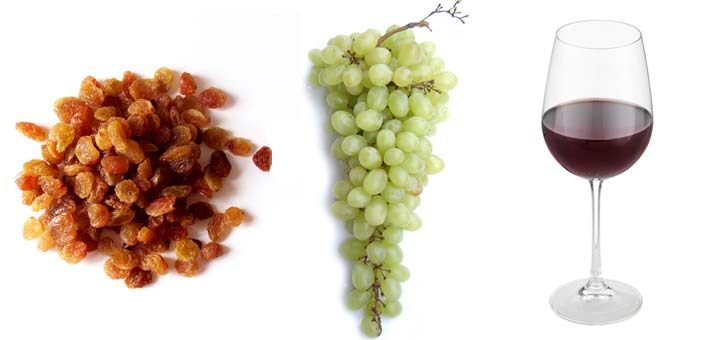
Around 4 percent of adults have a confirmed food allergy, though closer to 10 percent self-report a reaction to a specific food. (Source) Some common foods that might cause an allergy include protein-rich foods like nuts, fish, soy, milk, and wheat, but grapes can also cause an allergy in a few people. People allergic to grapes also face the risk of cross-reactivity with wine, juices, and raisins, as well as other fruits and nuts that share similar proteins.

If a person is allergic to grapes, certain proteins in the fruit set off a reaction because the immune system identifies them as harmful (Source). The body produces a specific antibody called IgE, which triggers a release of histamine and other chemicals. This is what brings on the visible symptoms. Read on to know more about grape allergy symptoms, what actually causes them, and how to manage them.
Why Grape Allergy Occurs
True grape allergy is caused by specific proteins in the fruit itself. The main culprit is a small, hardy protein called lipid transfer protein (LTP, also called Vit v 1), which is found in the skin and pulp of grapes. LTP is heat-stable and not easily broken down by digestion, which is why it can still trigger reactions even in cooked or processed grape products like jam, raisins, and wine. Another grape protein, endochitinase, has also been linked to reactions, particularly with certain wines.
There’s a separate group of issues sometimes confused with a grape allergy. Some people react not to the grape protein but to:
- Sulfites: Often added to wine, dried fruit, and juice as preservatives. Sulfite sensitivity can trigger asthma-like wheezing and flushing, but this is technically a non-allergic intolerance rather than a classic IgE allergy. (Source)
- Yeasts and molds: These are found naturally on grape skins and used in fermentation. It can cause reactions in people sensitive to those organisms. (Source)
- Pesticide residues: While this is more of a general concern around food safety than a true allergy, washing grapes well or choosing organic can be sensible.
Because the underlying cause changes the management plan, it’s worth getting properly tested rather than assuming. Someone with true LTP-based grape allergy needs to avoid the fruit itself; someone with sulfite sensitivity may be fine with fresh grapes but reacts to wine or dried fruit.
Grape Allergy Symptoms
Depending on an individual’s immune system condition, the signs and their severity vary. If a person is allergic to grapes, they can experience the following symptoms, usually within a few minutes to an hour (Source) or so of eating:
- Skin symptoms: Hives, redness, itching, eczema-like flare-ups, or swelling. Rash can appear after eating grapes or grape products.
- Oral allergy: Itching or tingling in the mouth, tongue, lips, or throat. Swelling of the face, lips, tongue, or throat is a stronger signal and shouldn’t be ignored.
- Nasal: The nasal problems include, but are not limited to, a runny nose, congestion, sneezing, or irritation that leads to rhinitis.
- Eyes: Watery, itchy, or red eyes.
- Digestive: Includes nausea, vomiting, stomach cramps, or diarrhea.
- Breathing problems: Any or all of these – wheezing, coughing, or shortness of breath. People with asthma can experience worse flare-ups.
- Anaphylaxis: A severe, full-body reaction with throat tightening, breathing difficulty, a drop in blood pressure, fast heartbeat, dizziness, or loss of consciousness. This is a medical emergency and needs an epinephrine shot and immediate hospital care.
Grape allergy has one quirk worth knowing about: in some people, symptoms only occur when eating grapes is combined with another trigger, such as exercise, alcohol, or NSAID painkillers. What allergists call a “cofactor-dependent” reaction. So someone might tolerate grapes most days, only to react badly after a workout or a few drinks. If a pattern like that sounds familiar, mention it to your doctor.
Why Muscadine and Some Grapes Make Your Lips Itch or Tingle
A lot of people notice their lips or mouth tingle, itch, or burn after eating muscadine or scuppernong grapes, even when normal grapes are fine. This is very common, and it is not always a true allergy.
Muscadine and scuppernong grapes have thick skins that are high in tannins and tartaric acid. These compounds can irritate the lips and mouth for a few minutes, much like the dry, puckery feeling from strong tea or red wine. For most people the tingle fades on its own.
It can also be a mild oral allergy. The lipid transfer protein sits mostly in the grape skin, so thick-skinned and darker grapes can set off more of a reaction than thin-skinned ones. This is why some people react to black, red, or muscadine grapes but seem fine with green or white ones, or the other way round. The amount of protein, tannin, and ripeness all differ by variety.
A quick lip tingle that passes is usually harmless. But swelling of the lips, tongue, or throat, hives, or any trouble breathing is a real allergy sign. Stop eating them and see a doctor.
Treatment of Grape Allergy
The following are a few ways to manage grape allergy:
- For skin issues like inflammation, hives, or itching, topical creams (such as low-potency hydrocortisone) and oral antihistamines (cetirizine, loratadine, or fexofenadine) usually help.
- For respiratory or asthma-like symptoms, a doctor may prescribe a bronchodilator inhaler such as salbutamol/albuterol.
- Antihistamine eye drops can help with red, watery, itchy eyes.
- For nasal congestion and runny nose, oral antihistamines or a nasal corticosteroid spray can be useful, most are now available over the counter.
- Severe reactions need adrenaline (epinephrine) without delay. Anyone with a known severe food allergy should carry an epinephrine auto-injector (EpiPen, Auvi-Q, or similar). A needle-free nasal spray version of epinephrine called neffy was approved by the FDA in 2024. It is an alternative for adults and older children. Always call emergency services after using one, since reactions can come back even after initial improvement.
The most effective long-term step is simply to avoid grapes and grape-derived products such as raisins, grape juice, wine, vinegar, and certain jams. Read labels carefully, grape extract turns up in surprising places like sauces, marinades, and even some skincare products. Eating mostly fresh, minimally processed foods also helps reduce accidental exposure to sulfites and other additives.
Ways to Diagnose Grape Allergy
To properly diagnose a grape allergy, an allergist will usually use one or more of the following:
- Blood test: Measures specific IgE antibodies to grape (and often to related proteins like peach LTP / Pru p 3). Newer “component-resolved” testing can pinpoint exactly which protein you’re reacting to, which helps predict how severe your reactions are likely to be.
- Skin prick test: A small drop of grape extract is placed on the forearm and the skin is lightly pricked. A raised, itchy bump within 15-20 minutes suggests sensitivity.
- Oral food challenge: In some cases, when blood and skin tests are unclear, an allergist may carry out a supervised food challenge in a clinical setting, small, increasing amounts of grape are eaten under medical observation. This is the gold standard for confirming or ruling out a real allergy but is only done in a controlled environment.
It’s also worth checking for related fruit allergies, since cross-reactivity is common. People with grape allergy, especially the LTP type, often react to peach, cherry, apple, plum, apricot, walnut, hazelnut, and sometimes kiwi. This pattern is known as LTP syndrome and is more common in Mediterranean regions.
If you’re allergic to grapes, there’s also a fair chance you’ll react to wine, since wine contains both grape proteins and yeast. Switching to organic wine alone doesn’t help if the issue is the grape protein itself, since LTP doesn’t break down during fermentation. People with confirmed yeast or sulfite sensitivity are a different group and should also avoid certain wines, beers, and dried fruits.
Can Grape Juice, Vines, or Stems Irritate the Skin?
Yes, skin contact can cause a reaction of its own, separate from eating grapes. People report red, itchy skin or a rash after handling grape juice, vines, stems, or leaves.
There are a few reasons for this:
- The acid and tannins in grape juice and crushed grapes can irritate the skin and leave hands red or prickly.
- Grapevine sap and leaves can cause contact dermatitis in some people.
- Pesticide residue on shop-bought grapes or vines can also be the trigger.
- Poison ivy often grows on the same wild vines, so a rash blamed on grapevine is sometimes poison ivy instead.
Wash the area with mild soap and water, and use a low-strength hydrocortisone cream for the itch. Wear gloves when picking or crushing grapes. If the rash spreads or blisters, see a doctor.
FAQs
1. Can a grape allergy cause reactions to other fruits?
Yes. Cross-reactivity is fairly common with grape allergy, especially when lipid transfer protein (LTP) is involved. People often also react to kiwi, peach, cherry, apple, plum, and even tree nuts like walnut and hazelnut. Talk to your allergist about being tested for these as well if you’ve had a clear reaction to grapes.
2. What should I do if I accidentally eat grapes and I have a grape allergy?
If symptoms are mild, itching, mild hives, runny nose, an antihistamine usually settles things. For any sign of throat tightness, trouble breathing, swelling of the lips or tongue, dizziness, or vomiting with a rash, use your epinephrine auto-injector right away and call emergency services. Always carry epinephrine if you’ve been diagnosed with a severe allergy; antihistamines alone are not enough for anaphylaxis.
3. Are grape allergies common in children?
Grape allergies are relatively rare in children, but they do occur, and unlike milk or egg allergies, kids tend to keep them rather than outgrow them. (Source) If your child shows symptoms after eating grapes or raisins, consult an allergist for proper testing and an age-appropriate emergency action plan.
4. Why does my stomach hurt after eating grapes?
A sore stomach after grapes is not always an allergy. Grapes are high in natural sugars and a group of carbs called FODMAPs, which can cause gas, cramps, or loose stools in some people. That is an intolerance, not a true allergy. (Source) If you also get hives, swelling, or trouble breathing, that points to an allergy and needs a doctor.
5. How rare is a grape allergy?
A true grape allergy is fairly rare. Many more people have a mild mouth tingle or a stomach upset than a real allergy. When it does happen, it is often part of LTP syndrome, where a person reacts to several fruits with similar proteins. (Source)
6. Can you drink wine if you are allergic to grapes?
Usually not. Wine is made from grapes, and the main grape protein does not break down during fermentation. Switching to organic wine will not help if the grape protein is the problem. If your issue is sulfites or yeast instead, fresh grapes may be fine while wine is not.
7. Is there such a thing as a raisin allergy?
Yes. Raisins are dried grapes, so they carry the same proteins. The protein is concentrated and survives drying, so someone allergic to grapes can react to raisins too. Check labels, since raisins hide in cereals, cakes, and trail mixes.
