

Though several fruits are available worldwide, some rare ones still need to be discovered. The shocking fact is that the fruits we know are just 10% of the thousand types available. Each fruit’s taste, aroma, shape, look, and nutritional value differ. If one of us is eager to learn new things each day, you will enjoy our write-up on fruits. This time, we tried to experiment by creating a list of fruits that started with the alphabet X, and we were amazed to find that their names were unique and new.
List of Top Fruits Starting with X
1. Xigua
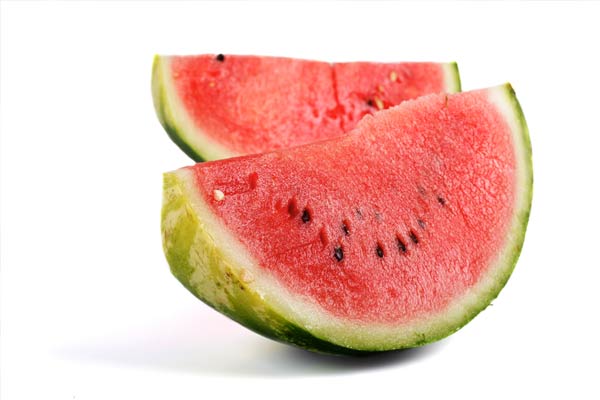
Xigua is essentially the Mandarin word for watermelon. It is commonly grown in regions like Africa and tropical areas of China. The rind of this fruit is used like a vegetable in stews or stir-fries. It is also dried and roasted into flour to make recipes. This fruit has a fantastic scent and can be used to quench your thirst. It is a perfect choice to beat the heatwave during the summer.
Appearance & Flavor
Though this fruit looks like a watermelon, the outer skin looks very different in black and green color. Xigua has very few seeds compared to regular watermelon and has yellow-colored flesh. Starting with X, this flavor is sweet and refreshes after consuming it.
2. Ximenia Caffra
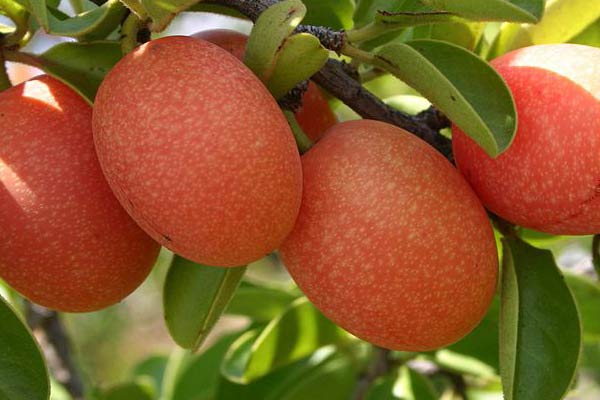
Popularly called the sour plum, this fruit grows on a shrub in some of the world’s tropical regions of South Africa, Tanzania, Zimbabwe, Kenya, Botswana, Malawi, Mozambique, and Zambia. This fruit has a sour taste.
Appearance & Flavor
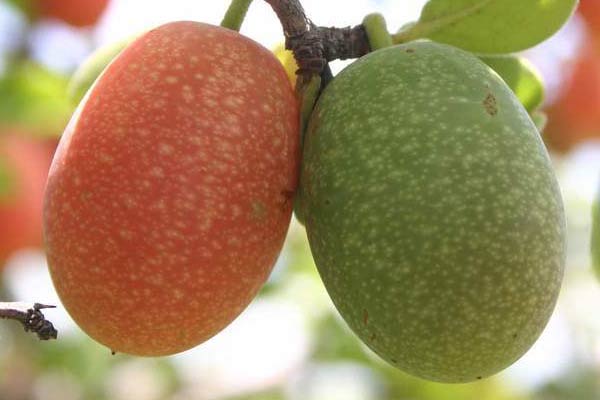
This round and green fruit makes it looks like a pear. When unripe, the fruit is green, then turns brown, changing into a dark purple shade when ripe. It can be raw and has a sweet yet acidic flavor. As Ximenia Caffra is a sour fruit with high potassium content, the sourness lingers in your taste buds even after eating it. It is also used to make jellies, jams, and porridge.
3. Xylocarp
Xylocarp fruit is a small-sized jackfruit variant commonly grown in countries like Papua New Guinea, India, New Guinea, Indonesia, Sri Lanka, Thailand, Australia, and Malaysia.
Appearance & Flavor
This fruit has a sturdy outer yellowish-green cover and spikes all over it. It has a rich flavor and a lovely soft pulp on the yellow inside. This fruit resembles a football and can be consumed raw when ripe. The unripe fruit is used for cooking various dishes like gravies and stir-fires, as it is a perfect meat substitute.
4. Xylocarpus Granatum Fruit
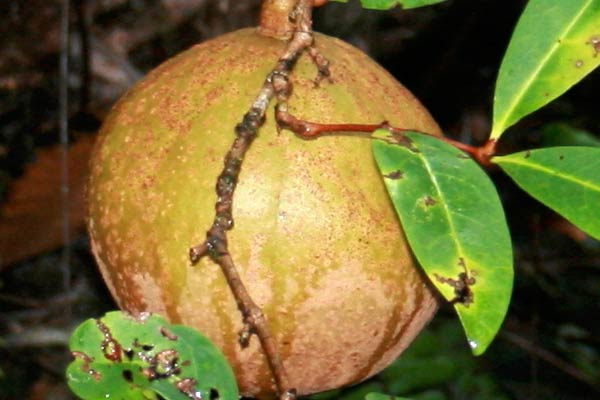
It is commonly called the cannonball fruit, as each fully grown Xylocarpus Granatum weighs around 3 Kg. This fruit is a common sight in the Pacific Islands, Papua New Guinea, and East Africa tropical areas.
Appearance & Flavor
A woody capsule outer cover covers the edible part of this fruit and has an earthy color. The ripe fruit can be divided into four, each with around 20 seeds. It has a combination of mildly sweet, tart, and sour flavors. It is used in making fish recipes with a tart taste.
5. Xarello
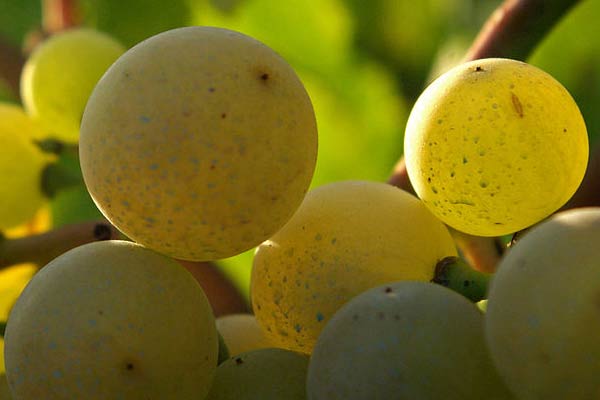
Valerlo is one of the world’s popular grape varieties, which has Spain as the native and is grown chiefly in the Catalonia area. It is one of the ancient grapes variety used in the preparation of Cava, the sparkling wine.
Appearance & Flavor
Xarello is a light-colored grape variety with a light green shade and brown spots. It tastes exquisite and is more highly aromatic than other grape variants. It can be eaten raw or used with refreshing recipes like yogurt or ice-creams.
6. Xinomavro Grapes
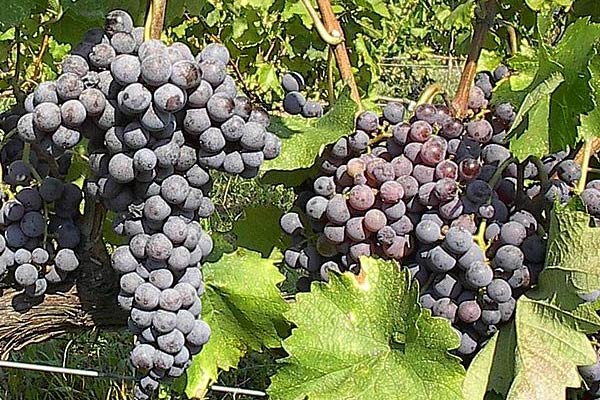
Xinomavro Grapes, also called Mavro Naoussis and Popolka, are primarily grown in the Northern Macedonia region of Greece. However, this sour black is commonly found in the vineyards of Siatista, Velventos, Naousa, Amyntaio, Rapsani, Trikomo, and Goumenissa. The red wine from this grapes variety is one of Greece’s most popular and valuable variants.
Appearance & Flavor
These mid-sized grapes are spherical, with black outer skin featuring an exterior coating in cyan. The smooth pulp of this grape is juicy and white, which produces a colorless juice upon extraction. The taste of Xinomavro Grapes is an earthy flavor with hints of spice, olive, and tomato. It has a unique aroma and is used extensively in wine-making, slushies, and ice creams.
7. Xanthium Fruit
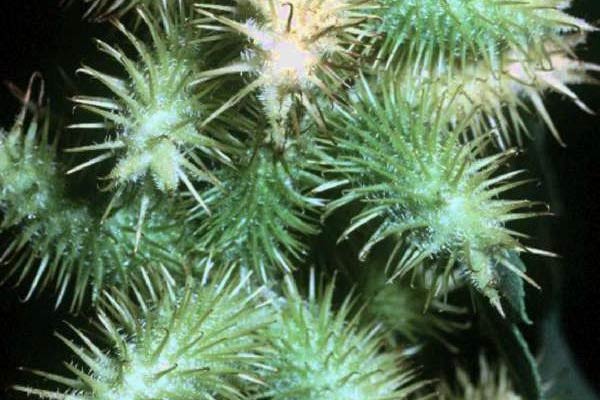
Popularly known as Cocklebur, this fruit that begins with the letter X is predominantly found in Asia and North America. However, it was later grown in New Zealand, Australia, North Africa, and Eurasia.
Appearance & Flavor
Xanthium Fruit is brownish-yellow and has coarse skin covered with spikes. It is a sweet fruit with a slightly bitter flavor. Xanthium’s seeds and spines contain a toxin substance called carboxyatractyloside, which makes it unfit for raw consumption.
8. Xoconostle
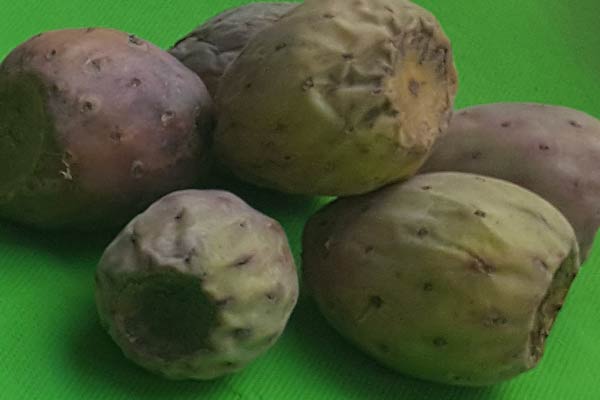
The strange thing about this fruit that starts with X is that it is derived from a cactus plant with Mexico as its native.
Appearance & Flavor
It is also called the thorny pear, entirely covered with tiny spines. The pulp of this fruit is usually in deep pink, green, or peach color. It leaves a sour aftertaste and can be eaten raw or as a juice or smoothie. In addition, it can be dehydrated or candied to store for several months.
9. Xoai
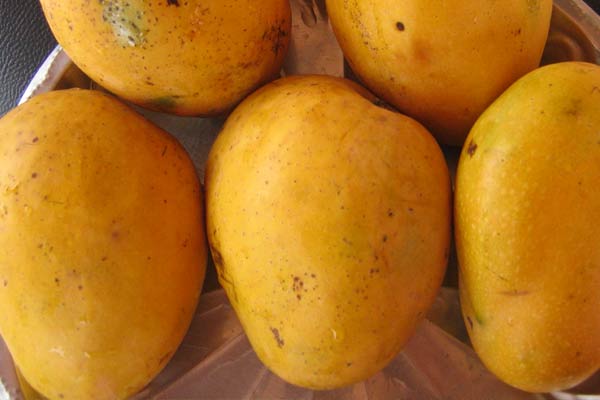
Xoai refers to the Vietnamese mango, which is smaller than regular mangoes. This fruit is predominantly grown in regions of Bangladesh, Northern India, Vietnam, and Myanmar. Raw fruit can be used as a pickle, curry, or chutney. Ripe fruits are used to prepare lassi, juice, dessert, or smoothie.
Appearance & Flavor
This fruit is small and has green skin covering orange pulp within. It has an ample seed inside, which can be separated while cutting it in \to two. The flesh of this fruit, with a pleasant smell, is sweet and juicy when fully ripe. Unripe Xoai fruit has a sweet and sour flavor, which can tingle your taste buds.
10. Xing Zi Fruit
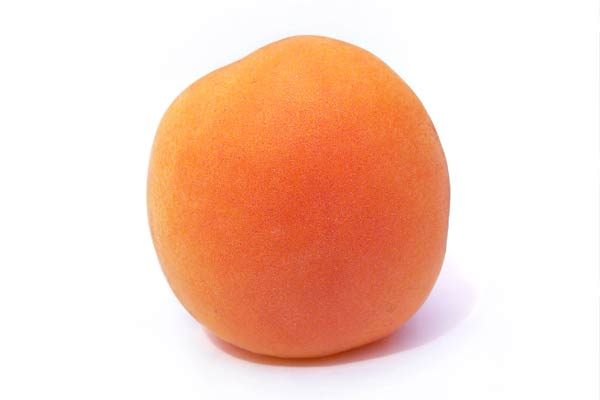
Popularly known as the Chinese Apricot, the Xing Zi fruit has China as its native. Later, it became popular in the Armenian region, earning the nickname “Armenian Plum.” It is now primarily grown in the areas like Virginia and North America. This fruit can be raw or cooked to prepare Moroccan recipes, pies, smoothies, jams, and wines.
Appearance & Flavor
This fruit looks like a peach and comes in yellowish-orange color, with a red tinge on the side exposed to direct sunlight. The surface of this fruit is very smooth and has succulent flesh. It has a sweet and mildly tart flavor. The rich sugar content in this Apricot variant makes it an ideal choice for drying to storing in candied form.
11. Xilacayota Squash
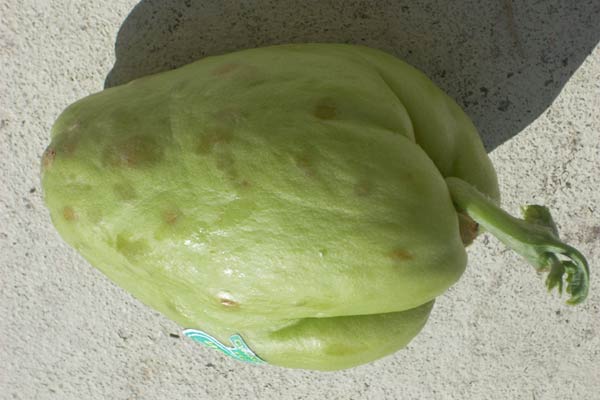
Xilacayota Squash is popularly called Chilacayote Squash and Figleaf Gourd, with Central America as its origin. It is also popular in Asian countries and Europe.
Appearance & Flavor
This fruit looks like a watermelon or a pumpkin and weighs around 4 to 6 Kg with over 500 seeds. It has an oblong shape with white spots on the skin. When ripe, its pulp has a sweet taste with aroma and flavor like a melon. The outer skin is thick and stiff, while the inner pulp is soft and sweet, making jellies, soups, and pies an excellent ingredient.
Global Distribution and Popularity of the these Fruits
| Fruit Name | Global Distribution | Popularity |
|---|---|---|
| Xigua (Watermelon) | Africa, Asia, Americas, Europe | Popular worldwide |
| Ximenia Caffra | Southern and tropical Africa | Popular in Africa |
| Xylocarp | Refers to fruits with hard, woody shells, e.g., coconut | Depends based on specific fruit |
| Xylocarpus Granatum Fruit | Mangrove habitats in Asia, Australia, and Pacific Islands | Regions with mangrove habitats |
| Xarello (Grape) | Spain (particularly Catalonia) | Popular in Spain for wine-making |
| Xinomavro Grapes | Northern Greece | Primarily popular in Greece |
| Xanthium Fruit | Worldwide (often considered a weed) | Not consumed |
| Xoconostle | Mexico | Popular in Mexico |
| Xoai (Mango) | Tropical and subtropical regions worldwide | Popular worldwide |
| Xing Zi Fruit (Apricot) | Worldwide, with high production in Central Asia and Mediterranean | Popular in many places |
| Xilacayota Squash | Central America, Mexico | Popular in Central America & Mexico |
Vitamins & Constituents for Fruit Names Starting with X
| Serial No. | Fruit | Vitamins & Constituents |
|---|---|---|
| 1 | Xigua (Watermelon) | Vitamin C, Vitamin A, Vitamin B6, Vitamin B1, Potassium, Magnesium |
| 2 | Xoai (Mango) | Vitamin C, Vitamin A, Vitamin E, Vitamin B6, Fiber |
| 3 | Xing Zi Fruit (Jujube) | Vitamin C, Vitamin A, Vitamin B2, Iron, Potassium |
| 4 | Xilacayota Squash | Vitamin C, Vitamin B6, Vitamin A, Fiber, Magnesium |
| 5 | Xarello (Grape variety) | Resveratrol, Vitamin C, Vitamin K, Vitamin B |
| 6 | Xinomavro Grapes | Resveratrol, Vitamin C, Vitamin K, Vitamin B |
| 8 | Xoconostle (Cactus fruit) | Vitamin C, Calcium, Fiber |
Source: Food and Drug Administration
Fruit names in different languages
- Xigua:
- English: Watermelon
- Spanish: Sandía
- French: Pastèque
- Chinese: 西瓜 (xīguā)
- Xanthium Fruit:
- English: Cocklebur
- Spanish: Cadillo
- French: Chardon à glu
- Chinese: 蒼耳子 (cāng ěr zǐ)
- Ximenia Caffra:
- English: Sourplum
- Spanish: Ciruela agria
- French: Prune aigre
- Xylocarp:
- English: Hard, woody fruit (e.g., coconut)
- Spanish: Fruta leñosa
- French: Fruit ligneux
- Chinese: 木果 (mù guǒ)
- Xarello:
- English: A grape variety for Spanish wine
- Spanish: Xarel·lo
- French: Xarel-lo
- Xoai:
- English: Mango
- Spanish: Mango
- French: Mangue
- Chinese: 芒果 (mángguǒ)
Other Fruits and Fruit Varieties That Start With X
There are several additional fruit names starting with X from different parts of the world and we are listing some of them here –
| Fruit Name | Origin | Also Known As / Type |
|---|---|---|
| Ximenia Americana | Tropical and Subtropical Regions | Wild Plum, Tallow Plum, Yellow Plum |
| Ximenia Americana Fruit | Africa, Asia and the Americas | Edible Wild Plum |
| Xynisteri Grape | Cyprus | Indigenous White Wine Grape |
| Xarel-lo Vermell Grape | Spain | Pink-Skinned Mutation of Xarel-lo |
| Xiahei Grape | East Asia | Summer Black Grape, Seedless Table Grape |
| Summer Black Xiahei Grape | East Asia | Early-Ripening Black Seedless Grape |
| Xiang Li Pear | China | Fragrant Pear, Chinese Pear Variety |
| Xinjiang Fragrant Pear | Xinjiang, China | Korla Fragrant Pear |
| Xinjiang Pear | China | Regional Chinese Pear |
| Xinjiang Jujube | Xinjiang, China | Chinese Date |
| Xiangjiao | China | Chinese Name for Banana |
| Xian Tao | China | Chinese Peach Name |
| Xue Li Pear | China | Snow Pear, Chinese White Pear |
| Xuehua Pear | China | Snowflake Pear, Chinese Pear Variety |
| Xiqing Pear | China | Chinese Pear Cultivar |
| Xiangfei Grape | China | Chinese Table Grape Cultivar |
| Xylopia Aethiopica Fruit | Tropical Africa | Grains of Selim, Ethiopian Pepper Fruit |
| Xylopia Fruit | Tropical Africa | Aromatic Spice Fruit |
| Xoconostle Blanco | Mexico | White Xoconostle Variety |
| Xoconostle Colorado | Mexico | Red Xoconostle Variety |
| Xoconostle Amarillo | Mexico | Yellow Xoconostle Variety |
| Xoconostle Barrilito | Mexico | Mexican Sour Cactus Fruit Variety |
| Xoconostle Cenizo | Mexico | Mexican Xoconostle Variety |
| Xoconostle de Las Pirámides | Mexico | Mexican Xoconostle Variety |
| Xoconostle Cuaresmeño | Mexico | Commercial Sour Prickly Pear Variety |
| Xoconostle Manzano | Mexico | Xoconostle Cultivar |
| Xoconostle Invierno | Mexico | Winter Xoconostle Cultivar |
| Xoconoxtle | Mexico | Alternative Regional Name for Xoconostle |
| Xoconochtle | Mexico | Nahuatl-Derived Name for Sour Cactus Fruit |
| Xoconoscle | Mexico | Regional Spelling of Xoconostle |
| Joconostle / Xoconostle | Mexico | Regional Name for Sour Prickly Pear |
We assure you that with our list of best fruits that start with the letter ‘X,’ your palate will never be limited. So add them to your jellies, pies, smoothies, or soups, and reap their health benefits. So what’s your favorite? Do let us know!
