

Fruits are a great choice to start your day. They are tasty and help improve your body’s immunity to prevent deadly diseases. This time, we have tried to curate a list of fruits that begin with the letter Y to help you add more to your fruit menu. Most of the fruits mentioned below are from tropical regions with unique flavors. Suppose you want to grab a healthy mid-morning or mid-evening snack. In that case, you can choose any of these low-calorie fruits that start with Y. You can find these fruits at any grocery store or order online to get your regular dose of antioxidants, vitamins, and minerals.
List of Top Famous Fruits That Begin With Y
1. Yuzu
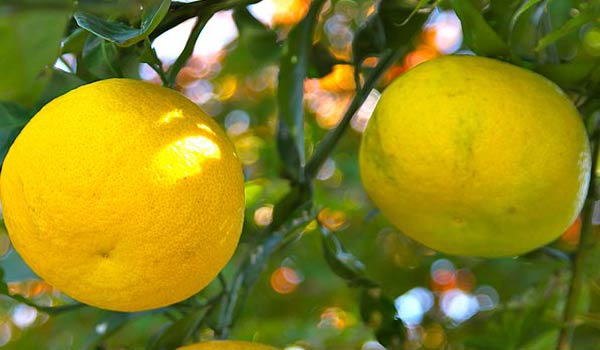
This citrus fruit has Eastern Asia as its native and is grown in New Zealand, Italy, Spain, France, and Australia. Yuzu is the Ichang Papeda and Mandarin Orange hybrid, which grows on a shrub with strongly scented leaves. It is used to make marmalade, fruit punch, and fruit salad. In addition, the skin of yuzu is used to extract essential oils.
How Does Yuzu Taste and Look?
The Yuzu fruit resembles grapefruit and measures 5 to 8 cm in diameter. It has uneven outer skin and is very aromatic. It has a sour taste and sweet-smelling zest that produces juice when squeezed like a lemon.
- Native Region: Central China and Tibet, widely grown in Japan and Korea.
- Look: Small, round or oblong citrus fruit with a bumpy yellow or green rind.
- Flavor: Tart and tangy, with hints of lemon, mandarin, and grapefruit.
- Scent: Strong and aromatic, blending citrusy and floral tones.
- Uses:
- Key ingredient in sauces, teas, cocktails, and garnishes.
- Season: Harvested in late autumn to early winter (November to January).
- Tradition: Central to Japanese rituals like yuzuyu baths during the winter solstice.
2. Yumberry
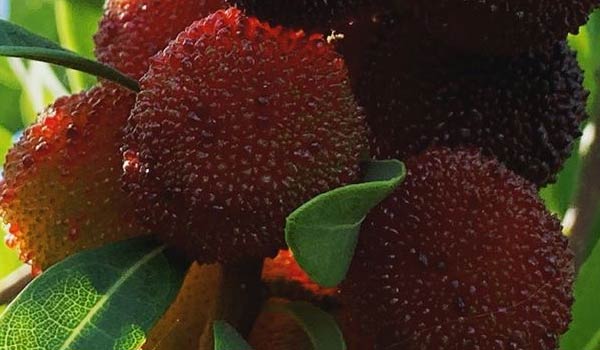
Yumberry is also known as Chinese Strawberry, Yangmei Fruit, Waxberry, and Red Bayberry. This subtropical fruit has Asia as its native, especially in China, which has been growing Yumberry for over a thousand years.
How Does Yumberry Taste and Look?
This round-shaped fruit in bright red is juicy with a sweet and acidic flavor balanced out perfectly. It is slightly tart and tastes like a mixture of cranberry and pomegranate. This fruit with delicate skin is an excellent choice for making juice, herbal tea, and fermentation to make an alcoholic drink.
- Native Region: China, where it is also called Yangmei or Chinese Bayberry.
- Look: Small, round fruit with a rough, red or purple skin.
- Flavor: Sweet-tart with a mildly acidic aftertaste.
- Scent: Fruity and refreshing.
- Uses:
- Eaten fresh, juiced, or used in jams and desserts.
- Season: Typically harvested in late spring to early summer.
- Tradition: Known for its nutritional and antioxidant-rich properties in Chinese medicine.
3. Yali Pear
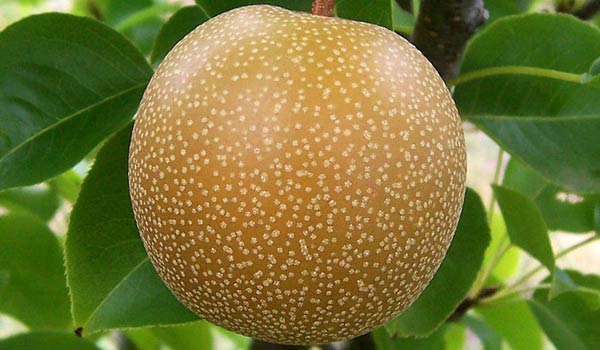
Yali Pear is commonly known as the Chinese Pear as a tribute to its region of origin. It was first used in Northern China and later found its way to the US, Australia, and New Zealand. This fruit is called the Duck Pear, Sand Pear, and Apple Pear.
How Does Yali Pear Taste and Look?
It has the shape of a tear-drop with a large bottom and thin neck. When ripe, it transforms from green to golden yellow, featuring moist and white flesh with a core of seeds. This juicy fruit has a sweet, mildly tart taste and an enticing aroma. Unripe Yali Pear is used as a vegetable to prepare salads and roasted or grilled recipes.
- Native Region: China, where it is highly popular.
- Look: Pear-shaped with a smooth, light yellow-green skin.
- Flavor: Crisp, juicy, and mildly sweet with a subtle tang.
- Scent: Fresh and slightly floral.
- Uses:
- Eaten fresh, or used in fruit salads and desserts.
- Season: Late summer to early winter.
4. Yellow Passion Fruit
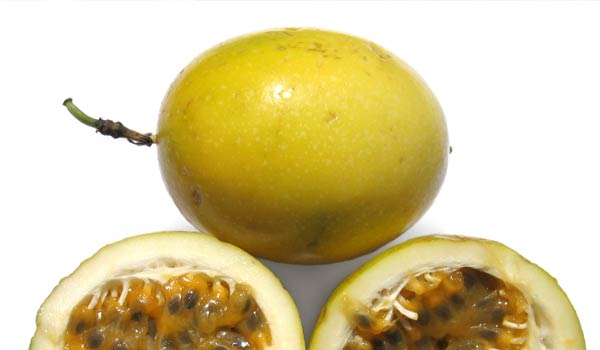
The Yellow Passion Fruit is the sweet granadilla commonly found in the Andes Mountains of South America, Bolivia, Peru, Australia, Costa Rica, and Africa. It is mainly used as an ice cream topping, fruit salads, sauces, jams, pies, and cocktails.
How Does Yellow Passion Fruit Taste and Look?
The skin of this fruit is tough with a sheen, and the inner pulp is soft-lined with padding. The pulp is transparent and has black seeds within it. The pulp of this fruit is sweet with a slightly acidic and floral flavor. It has a sweet aroma and can be eaten raw.
- Native Region: Tropical regions of South America.
- Look: Round or oval with bright yellow skin and jelly-like pulp inside.
- Flavor: Sweet-tart with a tropical aroma.
- Scent: Fragrant and fruity.
- Uses:
- Juices, desserts, smoothies, and toppings for yogurt or ice cream.
- Season: Grown year-round in tropical climates.
5. Yellow Watermelon
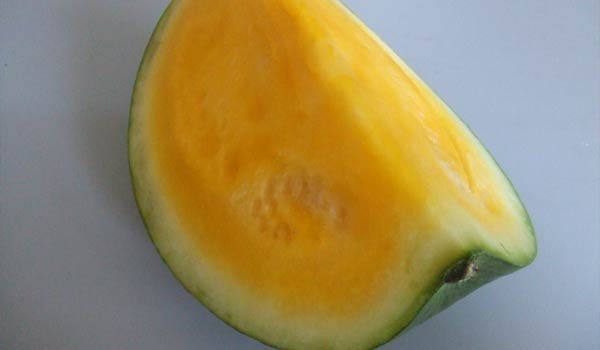
Yellow watermelon is cultivated chiefly in Africa and is considered the cousin of squashes and pumpkins. This fruit is also called the desert king, as it helps desert travelers stay hydrated during their travels.
How Does Yellow Watermelon Taste and Look?
Though the yellow watermelon resembles its red counterpart, its taste and pulp color differ. The ripe fruit is more lovely than the red ones, as it has a mellow flavor with a dash of apricot and honey. This fruit is hydrating and is an excellent choice to quench the thirst during the summer.
- Native Region: Africa, cultivated globally.
- Look: Green striped rind with vibrant yellow flesh.
- Flavor: Sweet with a hint of honey.
- Scent: Fresh and mild.
- Uses:
- Enjoyed fresh, in salads, or as juice.
- Season: Summer.
6. Youngberry
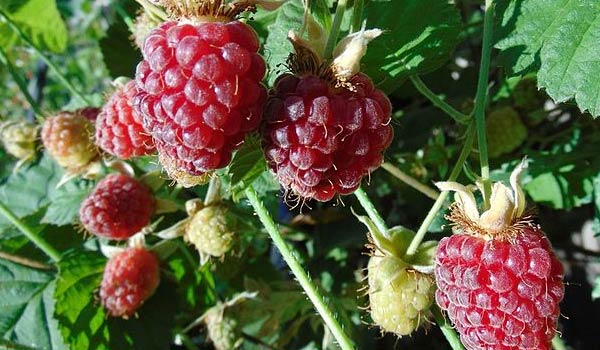
Youngberry is a variant of Blackberry and is widely grown in the United States, South Africa, New Zealand, and Australia as a commercial crop. It is a hybrid fruit derived through the crossbreeding of Raspberry and Blackberry. It was developed by Byrnes M. Young, a fruit grower, in 1905. This fruit is popular in trifles, cheesecakes, jellies, pies, and jams.
How Does Youngberry Taste and Look?
Youngberry is smaller than a blackberry and has a conical shape with a solid core. It is a fragile fruit shaped like a cone with a tapered top. When ripe, the fruit acquires a deep purple color with a juicy and sweet flavor.
- Native Region: Developed in the United States.
- Look: Small, dark purple berry similar to a blackberry.
- Flavor: Sweet and tangy with a rich berry flavor.
- Scent: Fruity and pleasant.
- Uses:
- Used in jams, desserts, and fresh as a snack.
- Season: Summer.
7. York Imperial Apple
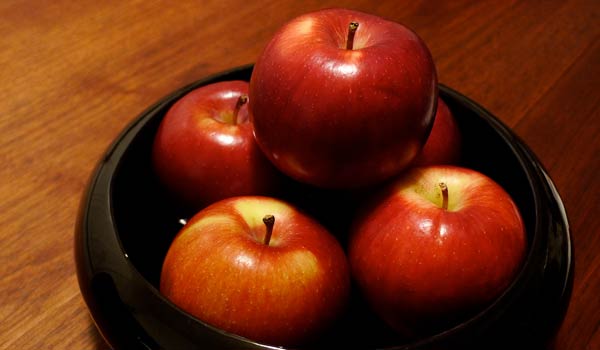
This fruit is famous worldwide for its nutrition and delicious taste, popularly called Johnson’s Fine Winter Apple. This fruit’s origin place is Pennsylvania’s York, where Jonathon Jessop grafted it in the 1820s. This apple can be stored in boxes or barrels for several months, but its delicious taste remains intact. This fact explains why this fruit is called Imperial Keepers.
How Does York Imperial Apple Taste and Look?
This apple has a funny appearance, as it has a lop-sided shape. The apple with cream flesh is sweet, crisp, and slightly tart. It has thin skin with yellow and red stripes. While sitting in storage, the apple becomes much sweeter and doesn’t lose its bite, which makes it ideal for baked goods, apple butter, jellies, jams, and cider.
- Native Region: Pennsylvania, USA.
- Look: Red and green skin with a slightly lopsided shape.
- Flavor: Tart and crisp, ideal for cooking.
- Scent: Fresh and fruity.
- Uses:
- Great for baking, sauces, and fresh eating.
- Season: Late fall.
8. Yunnan Hackberry Fruit
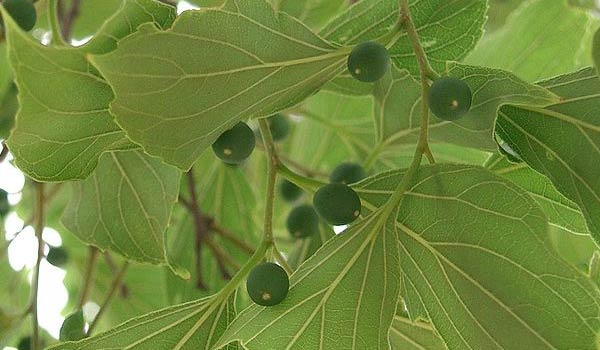
Several names, like American Hackberry, Beaverwood, and Nettletree, know Yunnan Hackberry. It is widely grown in the regions like Africa, Europe, and the US.
How Does Yunnan Hackberry Fruit Taste and Look?
This fruit looks very close to cherry or grapes and is available in purple and red colors. Each fruit measures 3 inches in diameter and is covered by a crunchy shell. Each fruit has one edible seed but is not juicy like other fruits. Instead, it looks like a rich nut with a mildly sweet coating. As hackberry is very dry and complex, eating it raw is impossible. It is ground as a paste, baked like a cookie, and served as a snack to enjoy its health benefits.
- Native Region: Yunnan province, China.
- Look: Small, red or dark purple berries.
- Flavor: Sweet with a nutty aftertaste.
- Scent: Subtle and earthy.
- Uses:
- Eaten fresh or used in traditional remedies.
- Season: Late summer.
9. Yemenite Citron
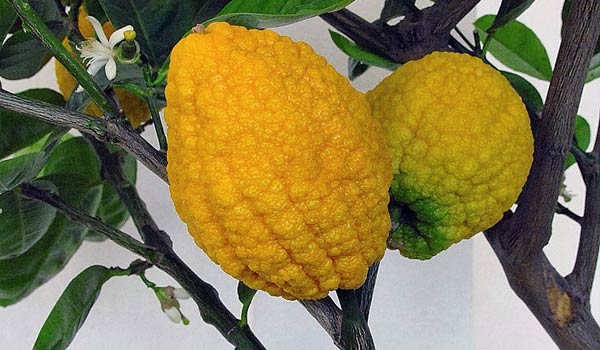
Primarily known as Etrog Citrus or Original Citrus, this fruit has Israel as its native. Therefore, it is commonly found in all Jewish preparations.
How Does Yemenite Citron Taste and Look?
It has a rugged, thick, inedible rind, just like other fruits in the citrus family. However, the pulp is too sour and bitter, so it cannot be consumed raw. Instead, it is mainly used to make pickles, marmalades, jams, herbal tea, or preserves.
- Native Region: Yemen and the Middle East.
- Look: Large, oval citrus fruit with thick, bumpy yellow rind.
- Flavor: Mildly sour and aromatic.
- Scent: Strong citrus fragrance.
- Uses:
- Primarily used in religious rituals and candied peel.
- Season: Winter.
10. Ya Pear
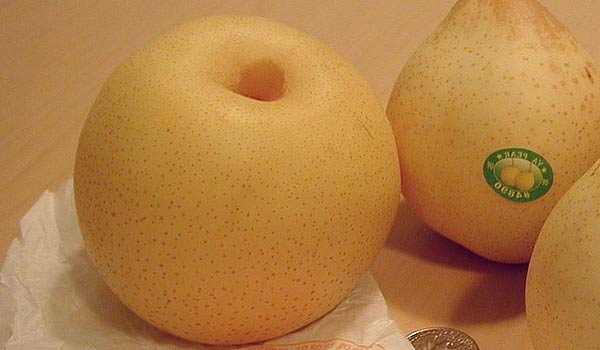
The next one on the list of fruits starting with Y is the Ya Pear, popularly called the Chinese White Pear. Predominantly used in China for hundreds of years, this versatile fruit is used in juices, sweet recipes, pies, tarts, and jellies.
How Does Ya Pear Taste and Look?
This pear variant has delicate skin in a light yellowish to white color with a narrow top and elongated base. This juicy fruit has a crisp bite with a sweet flavor like pineapple and rose with a hint of tanginess.
- Native Region: China.
- Look: Oval-shaped with pale yellow skin.
- Flavor: Crisp, juicy, and mildly sweet.
- Scent: Fresh and light.
- Uses:
- Enjoyed fresh or used in desserts and salads.
- Season: Late summer to autumn.
11. Yucca Fruit
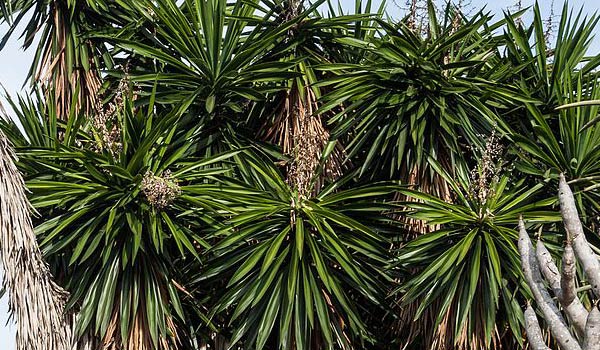
Popularly referred to as the Banana Yucca fruit, it has several years of history connected with western Native American tribes. The leaves and roots of this fruit plant are perfect cordage and are used as a soap. In addition, this fruit was a source of sustenance while traveling across the desert.
How Does Yucca Fruit Taste and Look?
This fruit looks like a banana, called the Banana Yucca. It is green in color even when ripe and can be squeezed with slight pressure. It has several seeds and a slightly sweet flavor. When you roast or grill it, it tastes like bell pepper after adding garlic, salt, and red pepper seasoning.
- Native Region: North and Central America.
- Look: Cylindrical, green fruit with a fibrous texture.
- Flavor: Mild and starchy, similar to potatoes.
- Scent: Earthy and subtle.
- Uses:
- Cooked as a vegetable or ground into flour.
- Season: Spring and summer.
12. Yellow Squash
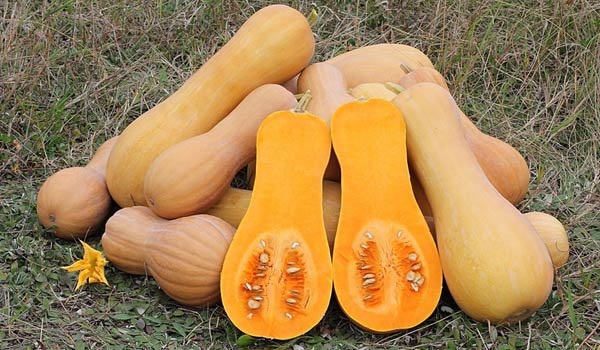
Yellow squash is a variant of summer squash, which can be eaten raw or cooked. It contains about 95% of water, similar to a cucumber. You can find two types of yellow squash: crookneck and straight neck.
How Does Yellow Squash Taste and Look?
When cut into two pieces, the yellow squash resembles a winter melon. It has a mildly sweet taste and edible seeds. When you cook this fruit, its flavor becomes much sweeter and mellow. The soft texture of this fruit is an excellent choice for purees, stews, and soups.
- Native Region: Central America.
- Look: Yellow, elongated vegetable with a smooth or slightly bumpy skin.
- Flavor: Mild and slightly sweet.
- Scent: Fresh and earthy.
- Uses:
- Used in stir-fries, soups, casseroles, and grilled dishes.
- Season: Summer.
Vitamins & Constituents for Fruit Names Starting with Y
| Fruit Name | Vitamins | Minerals | Other Constituents |
|---|---|---|---|
| Yuzu | Vitamin C, Folate | Potassium, Calcium | Flavonoids, Fibre |
| Ya Pear | Vitamin C, Vitamin K | Potassium, Phosphorus | Fibre, Water |
| Yucca Fruit | Vitamin C, Thiamine | Potassium, Manganese | Saponins, Starch |
| Yellow Squash | Vitamin A, Vitamin C, Folate | Magnesium, Potassium | Fibre, Water |
| Yumberry | Vitamin C, Vitamin A | Potassium, Phosphorus | Antioxidants, Fibre |
| Yali Pear | Vitamin C, Vitamin K | Potassium, Phosphorus | Fibre, Water |
| Yellow Passion Fruit | Vitamin A, Vitamin C, Folate | Iron, Phosphorus | Fibre, Antioxidants |
| Yellow Watermelon | Vitamin A, Vitamin C | Potassium, Magnesium | Water, Fibre |
| Youngberry | Vitamin C, Vitamin K | Potassium, Calcium | Antioxidants, Fibre |
| York Imperial Apple | Vitamin C, Vitamin A | Potassium, Calcium | Fibre, Water |
| Yunnan Hackberry Fruit | Not widely studied | Not widely studied | Not widely studied |
| Yemenite Citron | Vitamin C, Folate | Potassium, Calcium | Fibre, Flavonoids |
Source: Food and Drug Administration
Other Fruit Names That Start With Y Around the World
There are many other fruits with names starting with the letter Y other than the famous ones mentioned above. The list below contains native & specific countries fruits and regional varieties, cultivars, or fruits known by different local names. Here is a comprehensive list of other fruit names that start with Y from around the world.
| Fruit Name | Origin | Also Known As / Type |
|---|---|---|
| Ya Pear | China | Chinese White Pear |
| Yali Pear | China | Chinese Pear Variety |
| Yanaka Ginger Fruit | Japan | Regional Plant Fruit |
| Yangmei | China and East Asia | Chinese Bayberry, Yumberry |
| Yangtao | China | Chinese Name for Kiwifruit |
| Yantok | Philippines | Rattan Fruit |
| Yatay Palm Fruit | South America | Fruit of the Yatay Palm |
| Yellow Bellflower Apple | United States | Heritage Apple Variety |
| Yellow Cherry | Europe and Asia | Sweet Cherry Variety |
| Yellow Dragon Fruit | Northern South America | Yellow Pitaya |
| Yellow Elderberry | North America | Elderberry Variety |
| Yellow Fig | Western Asia and Mediterranean Region | Fig Variety |
| Yellow Granadilla | Caribbean and South America | Passion Fruit Relative |
| Yellow Guava | Tropical America | Guava Variety |
| Yellow Himalayan Raspberry | South and Southeast Asia | Golden Himalayan Raspberry |
| Yellow Jaboticaba | Brazil | Cabelluda |
| Yellow Mombin | Tropical Americas | Hog Plum, Jobo |
| Yellow Passion Fruit | South America | Golden Passion Fruit |
| Yellow Pear | Europe and Asia | Pear Variety |
| Yellow Pitaya | Northern South America | Yellow Dragon Fruit |
| Yellow Plum | Europe and Asia | Yellow-Fleshed Plum |
| Yellow Raspberry | Europe | Golden Raspberry |
| Yellow Sapote | Mexico and Central America | Canistel, Eggfruit |
| Yellow Strawberry | Europe | Yellow-Fruited Strawberry Variety |
| Yellow Watermelon | Africa | Yellow-Fleshed Watermelon |
| Yellow Wax Apple | Southeast Asia | Wax Jambu Variety |
| Yellow Wonder Strawberry | Europe | Alpine Strawberry Cultivar |
| Yemenite Citron | Yemen | Citron Variety |
| Yen Ben Lemon | Australasia | Lemon Cultivar |
| York Apple | United States | York Imperial Apple |
| York Imperial Apple | United States | Heritage Apple Cultivar |
| Young Mango | South and Southeast Asia | Unripe Mango |
| Youngberry | United States | Blackberry-Raspberry Hybrid |
| Yubari King Melon | Japan | Japanese Cantaloupe Cultivar |
| Yucca Fruit | North and Central America | Fruit of Yucca Species |
| Yunnan Hackberry | China | Hackberry Fruit |
| Yuzu | East Asia | East Asian Citrus Fruit |
Conclusion
We hope you like the list we have compiled on the list of fruits that begin with Letter Y. Most of the fruits listed here are high in water content, fiber, vitamins, and nutrients beneficial for your overall health. Have you tried any of these fruits? Please tell us how you liked them.
