

IgE is a protein found in the blood. It is the main component of our body’s immune system in protection against allergies. One of the IgE-mediated food allergies is Crustacean allergy. This article tries to understand the signs to watch out for and the treatment to follow to deal with this condition.
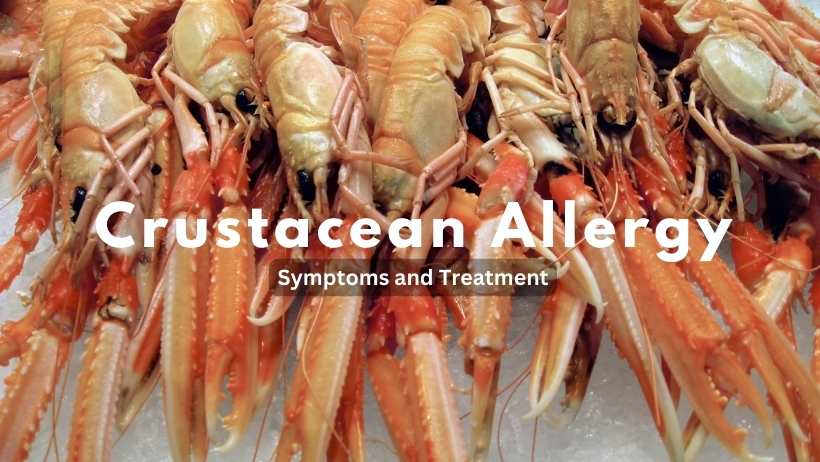
Crustacean Allergy Symptoms
The severity of the allergic reactions and their appearance depend on the immune system status of individuals. Mistaken identification of certain nutrients in substances gets then identified by this system as allergens. As the body combats to remove the substance, its allergic signs become apparent. Some of the top crustacean allergy symptoms are as follows:
- Fainting
- Diarrhea
- Dizziness
- Vomiting
- Nausea
- Shortness of breath
- Wheezing
- Difficulty in breathing
- Eczema
- Hives
- Itching
- Swelling in the throat, tongue, lips, and face
In 75 percent of cases, patients suffering from this allergy are also prone to mollusk allergy. Such a condition is called cross-reactivity.
These symptoms occur minutes to hours after consuming or coming in contact with crustaceans. Immediate medical attention is required. Seek medical attention if symptoms co-occur. An epinephrine auto-injector and emergency care are necessary in such cases.
Mild vs Severe Symptoms: When It Is an Emergency
Some reactions are mild. Others are severe and need help fast. This table shows the difference.
| Mild to Moderate Signs | Severe Signs (Call for Help) |
|---|---|
| Itching or hives | Trouble breathing or wheezing |
| Eczema or skin rash | Swelling of the throat, tongue, or lips |
| Nausea or vomiting | Tight chest or a choking feeling |
| Diarrhea or stomach pain | Dizziness, fainting, or a weak, fast pulse |
| Runny nose or watery eyes | A sudden drop in blood pressure (anaphylaxis) |
Severe reactions can turn into anaphylaxis, which is life-threatening. Use an epinephrine auto-injector right away and call emergency services.
Understanding Crustacean Allergy
Crustacean allergy is triggered by proteins found in shellfish, such as shrimp, crab, and lobster. The primary allergen, tropomyosin, causes reactions. Other proteins, such as arginine kinase and myosin light chain, can also cause allergic responses.
RAST is a type of blood test that can be carried out when a person observes the above signs in his body after eating crustaceans. It confirms the allergy-causing chemical and its respective allergy. A prick test is also a skin test to find these allergic signs.
Crustaceans vs Mollusks: Know Your Shellfish
Shellfish come in two groups. Crustaceans and mollusks. Crustacean allergies are more common than mollusk allergies. Many people who react to one crustacean react to others, so doctors often ask you to avoid the whole group. Mollusks are a separate group. Some people with a crustacean allergy can still eat mollusks, but only an allergist and a test can tell you for sure. Fish is not shellfish, so most people with a shellfish allergy can still eat fish. Still, take care to avoid cross-contact. You can see the full food lists at FARE.
| Crustaceans (avoid these) | Mollusks (check with your allergist) |
|---|---|
| Shrimp and prawns | Clams |
| Crab | Mussels |
| Lobster | Oysters |
| Crayfish and crawfish | Scallops |
| Langoustine and krill | Squid (calamari), octopus, snails |
Crustacean Allergy Treatment
All food allergies are incurable as of now. They are treatable, however. Doctors identify symptoms and take steps to avoid foods that trigger the allergy.
This complication remains for life. However, depending on an individual’s immune system, the signs and their severity vary.
Preventive Measures
If you have this allergy, read all food labels carefully. Many processed foods might contain crustacean products, even if it does not seem obvious. When dining out, always inform the staff about your allergy to ensure no cross-contamination.
The best way to avoid this condition is to better understand the different aspects of this allergy. The foods to prevent direct allergy and cross-reactivity should be known to avoid them.
Antihistamines are the drugs that can be carried by people prone to this allergy. Epinephrine (adrenaline) is a life-saving medication for severe reactions and should be taken by those at risk of anaphylaxis. It can give the patient enough time to see a doctor after accidental contact with the allergen. Below are more detailed measures –
| Preventive Measure | Description |
|---|---|
| Allergen Alert Bracelets | Wearing a medical alert bracelet inform others of your allergy symptoms, and they can reach you in case of an emergency. |
| Safe Cooking Practices | Use separate utensils and cookware for seafood to avoid cross-contamination. |
| Travel Precautions | When traveling, carry a card that states your allergy in the local language. |
| Routine Check-ups | Regularly visit an allergist to monitor your allergy. |
Hidden Sources of Crustacean Shellfish
Shellfish can hide in foods you would not expect. In the US, crustaceans must be named on food labels, but mollusks do not have to be. Read every label, and watch out for these:
- Surimi and imitation crab or seafood sticks
- Seafood flavoring, fish stock, and broths
- Fish sauce, oyster sauce, and some Asian dishes
- Bouillabaisse, paella, and seafood soups
- Some supplements, like glucosamine, which can come from shellfish shells
- Pet food and fish feed handled at home
The protein that causes the allergy is tough. It can stay active during cooking and even travel in the steam from a boiling pot. So take care near open seafood cooking and shared fryers.
Crustacean Allergy: Global Facts, Risk Factors, and Testing Insights
| Aspect | Key Insight / Fact | Supporting Study | Relevance |
|---|---|---|---|
| Global Prevalence | Shellfish allergy affects nearly 2% of the global population |
Journal of Allergy & Clinical Immunology (2011) |
One of the most common adult food allergies |
| Primary Allergen | Tropomyosin is the major allergenic protein in crustaceans |
World Allergy Organization Journal (2013) |
Responsible for triggering IgE-mediated reactions |
| Cross-Reactivity Risk | ~75% of crustacean-allergic individuals are also allergic to mollusks |
Clinical Reviews in Allergy & Immunology (2018) |
Patients must avoid both food categories |
| Testing Method | RAST & Skin Prick Tests help detect allergen-specific IgE |
StatPearls (2023) |
Permits exact diagnosis and management plans |
| Reaction Onset Time | Symptoms can appear within minutes to 2 hours of exposure |
WAO Journal (2019) |
Fast recognition and treatment are important |
| Food Labeling Laws | Crustaceans are one of the 9 major allergens that must be declared on packaging (U.S.) |
U.S. FDA Food Allergen Labeling |
Helps consumers avoid accidental exposure |
| Emergency Protocol | Patients at risk of anaphylaxis should carry epinephrine auto-injectors |
StatPearls: Food Allergies (2023) |
Is life-saving during severe reactions |
Crustacean Allergy FAQs
Is a crustacean allergy the same as a shellfish allergy?
Not exactly. Shellfish covers two groups: crustaceans and mollusks. A crustacean allergy means you react to shrimp, crab, lobster, and their family. You may or may not react to mollusks. An allergist can tell you which foods to avoid.
Can you be allergic to crustaceans but not fish?
Yes. Fish and shellfish are different foods with different proteins. Most people with a crustacean allergy can still eat fish. Still, keep fish and shellfish apart while cooking to avoid cross-contact.
Is a shellfish allergy the same as an iodine allergy?
No. This is a common myth. Shellfish allergy is a reaction to proteins, not to iodine. Having a shellfish allergy does not mean you are allergic to iodine or to the contrast dye used in scans. You can read more from the Cleveland Clinic.
Can you outgrow a crustacean allergy?
Usually not. A shellfish allergy often starts in adulthood and tends to last for life. Very few people outgrow it, and it can even get stronger over time.
What foods are crustaceans?
Crustaceans include shrimp, prawns, crab, lobster, crayfish, crawfish, langoustine, and krill. If you are allergic to one, doctors often advise you to avoid them all.
Is imitation crab safe with a crustacean allergy?
No. Imitation crab, also called surimi, is usually made from fish but often contains real shellfish or shellfish flavoring. Read the label and avoid it unless it is clearly shellfish-free.
Can cooking steam cause a reaction?
It can for some people. The allergy-causing protein is tough and can travel in the steam from cooking shellfish. Sensitive people may react near open seafood cooking, even without eating it.
Is there a cure for crustacean allergy?
There is no cure yet. The allergy is managed, not cured. The main steps are strict avoidance, reading labels, and carrying an epinephrine auto-injector for severe reactions.
