

Lentils are legumes that are very nutritious and contain high dietary fiber. Lentil allergy is an adverse reaction caused by the body’s immune system to lentils and foods containing lentils. Histamine and Immunoglobulin E (IgE), an antibody, are produced by the body’s immune system when the body comes in contact with lentils. Symptoms of lentil allergy can vary considerably.
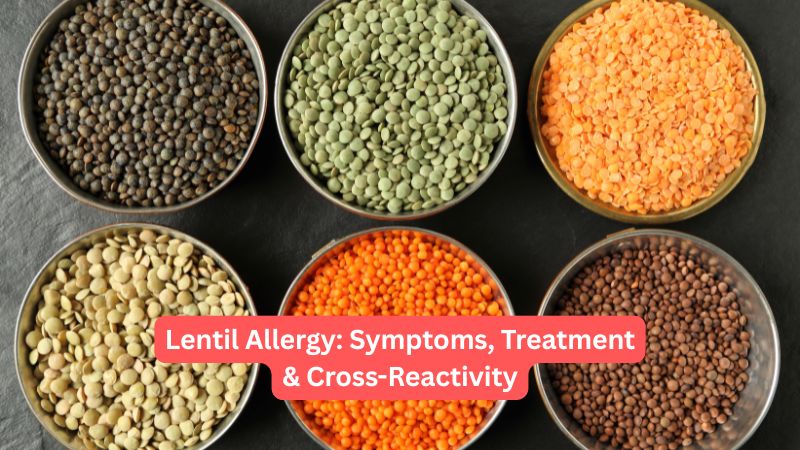
Lentils are packed with vitamins and contain rich protein. These are legumes and belong to the same family as peanuts and beans. So, if a person is allergic to one type of lentil, he might also be allergic to another. If a person is allergic to lentils, they should check the symptoms and choose other plant-based proteins.
What is Lentil Allergy – Symptoms and Treatment
This allergy is caused by the high protein content present in the legumes. According to the USDA, one cup of cooked lentils contains about 18 g protein, 15 g fiber, 3.5 g sugar, 40 g carbohydrates, less than 1 g fat, and 230 calories. The article discusses the primary symptoms of lentil allergy and its treatment in the following sections:
Symptoms of Lentil Allergy
Allergies to lentils or legumes manifest the same symptoms for all types of legumes. They might range from oral allergy, rhinitis, urticaria, angioedema, and asthmatic crisis to anaphylactic shock, etc.
Some of the common symptoms caused by lentil allergy are as follows:
- Diarrhea, nausea and vomiting
- Swelling on lips, mouth, and tongue
- Skin reactions like rashes, hives, intense itching, and redness
- Common cold or hay fever-like symptoms can lead to watery eyes and clogged nasal passages, with a runny nose and wheezing
- Anaphylaxis: Severe symptoms can be caused by dizziness, breathlessness, and a sudden decrease in blood pressure
The most commonly seen symptoms of lentil allergy include skin reactions and respiratory symptoms. Doctors can diagnose these signs with skin tests and blood tests like RAST. They reveal the allergen causing this condition and its severity.
Treatment of Lentil Allergy
Lentil soup should be avoided, and it should also be avoided in any other form to prevent a recurrence. Some say cooking lentils can weaken the allergen, but the problem may still persist. Even the steam from the lentil cooking pot can cause severe allergic reactions in some people. Some of the effective ways to treat lentil allergy are:
- Some mild to moderate symptoms of lentil allergy can be effectively controlled by applying medicated skin creams (corticosteroids) and antihistamines
- Severe and anaphylactic symptoms such as dizziness and breathlessness require emergency intervention and epinephrine injections. These can also be self-administered through Epi-pen
- An allergic person can still get plant protein, avoiding legumes due to a lentil allergy. A need to introduce beans, edamame, sprouts, soy nuts, alfalfa, and certain nuts into the diet to meet the daily requirement of protein. Nuts like walnuts, cashews, and almonds are a great source of fat and protein
Be very careful when eating out and shopping for food. Ensure the restaurant food does not contain lentils and read the food product’s label carefully before buying.
Depending upon the state of the patient’s immune system, the severity of the signs becomes apparent. Mild signs may not require any treatment as they come and go. Moderate severity signs may also require antihistamine drugs, adrenaline injections, and bronchodilators for patients who suffer from asthma.
Severe cases, though rare, may involve what is technically called anaphylaxis. It is a medical emergency in which the allergy spreads throughout the body, quickly affecting the organs. Medical intervention is required as early as possible, and hospitalization of the patient under such a life-threatening condition is a must.
Cross Reactivity
Cross-reactivity occurs whenilar compounds presare ent in some allergens, or allewhen allergies are triggered by related foods. Research shows that people who are allergic to some lentils also have allergies to chickpeas and peas. In the United States, peanut allergy is common, but cross-reactivity with peanuts is not.
If you are unsure of a lentil allergy, you should talk to your physician, who will refer you to an allergist for testing. He will then advise you on what foods to eat and what to avoid for your health.
Cross-Reactivity Between Lentils and Other Legumes
| Legume | Cross-Reactivity with Lentils | Notes |
|---|---|---|
| Chickpeas | High | Significant cross-reactivity might occur. A lot of lentil-allergic individuals also react to chickpeas. |
| Peas | High | Notable cross-reactivity; shared allergenic proteins with lentils. |
| Peanuts | Moderate | Cross-reactivity exists in some individuals. However, not all lentil-allergic individuals react to peanuts. |
| Soybeans | Low | Limited cross-reactivity; most lentil-allergic individuals tolerate soybeans. |
| Green Beans | Low | Rare cross-reactivity. However, it is well tolerated by those with lentil allergy. |
| Lupin | Variable | Cross-reactivity potential varies; caution advised due to shared proteins. |
Note: Cross-reactivity levels are based on clinical observations. It might vary among individuals. Consult an allergist for personalized advice.
Do lentils trigger histamine?
Some evidence suggests lentils may trigger histamine release in some people. Histamine, a chemical produced by the body, plays a role in the immune system and in regulating digestive and cardiovascular function. In people with allergies or intolerances, the body may produce too much histamine or be unable to break it down effectively, leading to symptoms such as itching, hives, and swelling.
Are lentils hard on the gut?
Lentils are a good source of fiber and nutrients and are generally well tolerated by most people. However, some people may experience digestive symptoms after eating lentils, especially if they aren’t used to eating a lot of fiber. Signs of digestive distress after consuming lentils might include bloating, gas, abdominal cramps, and diarrhea. These symptoms are usually temporary and can be relieved by drinking plenty of fluids and eating smaller, more frequent meals.
What are the side effects of lentils?
Lentils are a healthy, nutritious food you can enjoy as part of a well-balanced diet. However, if you have concerns about your ability to tolerate lentils or have a pre-existing health condition. In that case, you should talk to your healthcare provider before adding them to your diet.
Are Lentils a Nut? Lentil Allergy vs Nut Allergy
Many people search for this, so let us clear it up. Lentils are not nuts. They are legumes, in the same family as beans, peas, and peanuts. Tree nuts like almonds, cashews, and walnuts come from different plant families.
This matters for what you can eat:
- If you are allergic to tree nuts, you can usually still eat lentils, since they are not related. Check with your allergist to be sure.
- Peanuts are a legume like lentils, but cross-reactions between the two are not common, so most peanut-allergic people tolerate lentils.
- Lentils are more likely to cross-react with chickpeas and peas, as shown in the table above.
Lentil allergy is uncommon in Western countries, but it is one of the top childhood food allergies in India, the Middle East, and Mediterranean countries, where lentils are eaten from an early age. If you are unsure, an allergist can test you and tell you which legumes are safe. (Allergy UK)
Lentil Allergy FAQs
What foods are related to lentils?
Lentils are a legume that is related to beans and peas. They are an excellent source of plant-based protein, fiber, folate, magnesium, iron, and vitamin B12. Lentils also contain moderate levels of sodium and potassium. Lentils are also low in calories and include plenty of minerals like potassium and magnesium.
When it comes to taste, most people find lentils quite bland. But you can easily season them with spices like cumin or turmeric to add flavor to your meals. Foods that pair well with lentils include rice, quinoa bowls and salads, curries, Indian naan bread, and pita sandwiches.
Do red, green, or black lentils cause different allergies?
No, not really. All lentil types, red, green, brown, and black, share the same main proteins. So if you react to one color, treat them all as a risk and avoid the lot. Cooking or boiling does not fully remove the allergen.
Why does my throat feel weird after eating lentils?
A tingly or itchy throat and mouth after lentils is a common sign of a mild lentil allergy, called oral allergy syndrome. It often passes on its own. But if your throat starts to swell or tighten, treat it as an emergency and get help right away.
Is a lentil allergy common?
It is uncommon in the West, but it is one of the more common childhood food allergies in India, the Middle East, and Mediterranean countries, where lentils are a daily food. It is slowly rising elsewhere as more people eat plant-based diets.

1 Comment
First, thanks so much for the information you have provided. I recently had an extensive allergy test . The test indicated an allergy to Lentil as well as almonds, peanuts, and egg white.
My question is what store bought foods would I expect to find containing lentil. So far, I have not found it listed on any of the foods I have purchased. The only symptoms I’ve experienced are skin rash and mild post nasal drip. Thanks again, Hugh