

Bark of the tree is used as astringent, demulcent, refrigerant, styptic, and febrifuge. The tree’s flower is primarily used as a uterine tonic that helps in diabetes for keeping blood sugar under control. Leaves are medicinally used as depurative.
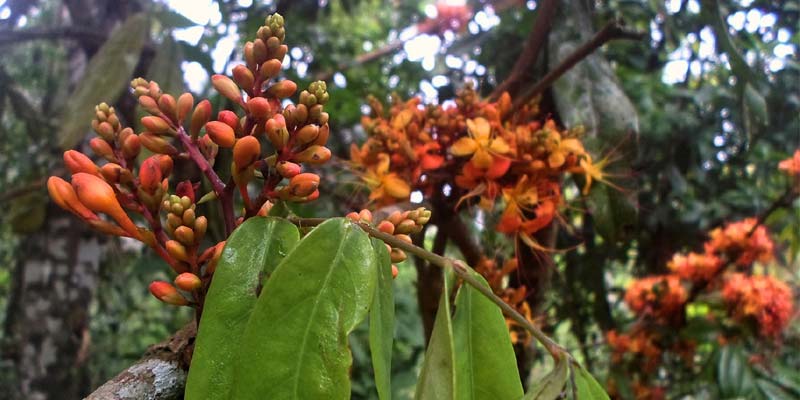
Ashoka tree is a small evergreen herb found in the Deccan plateau and the Western Ghats of the Indian sub-continent. It has beautiful and fragrant flowers that grow in bunches. They are orange and yellow, which turn into the red before they fall. Ashoka gets flowers between February and April.
The tree is considered one of the most sacred trees in Indian customs. Ashoka tree is dedicated to the love god the Kama. The botanical name given to the tree is Saraca Indica, and the Indian name is Ashoka tree. The word ‘Ashoka’ in Sanskrit means ‘no grief.’ No doubt, the meaning is proved by the several medicinal qualities of the tree.
Furthermore, one can find capsules and tonics made from the Ashoka tree’s bark, seeds, and flowers. These are sold in markets as natural supplements for various disorders. This is the main herb recommended for women to relieve them from gynecological problems. It keeps women energetic and youthful with its anti-depressant properties. Hence it is used as the best medicine for women for ages. In short Ashoka tree is widely used to heal several health issues. Read the article to know more in detail about the benefits of the Ashoka tree.
List of Top 10 Health Benefits of Ashoka Tree
Ashoka tree is a famous medicinal plant that cures a sufficient number of disorders. Each part of the tree is loaded with one or the other health benefits. Listed below are few practical health benefits of the Ashoka tree.
1. Dysmenorrhoea
Dysmenorrhoea is the condition used for painful periods. Women having normal menstruation that is painful are said to suffering from this condition. The period of pain might occur due to disorders like fibroids or endometriosis. This is called secondary Dysmenorrhoea. The bark of the tree is primarily beneficial in this condition. Have a look at the recipe to made herbal medicine out of the bark –
- Make 15 grams of powder out of the bark
- Mix 200ml water to the powder
- Boil the solution to the point when the only 50ml of the solution is left
- Filter it properly
- Take 25ml of the solution 2 times a day
The above preparation helps in the treatment of Dysmenorrhoea and regulating the menstrual cycle.
2. Cosmetic
The bark of the tree is used for preparing cosmetics to improve the complexion. Besides, it is also beneficial for ladies who face painful or irregular menstrual cycles. It also the best-recommended remedy to treat vaginal discharge.
3. Stomach Swelling
Intake of Ashoka’s bark or leaves helps to get rid of worms and removes swelling in the stomach. Furthermore, the stem bark is rich in anti-fungal, painkilling, and anti-bacterial properties. Hence it provides excellent relief from the burning sensation such as scorpion sting.
4. Blood Purifier
Consuming tonics made of bark, flowers, and leaves of Ashoka tree treats diarrhea and purifies the blood.
5. Diabetes
Dried flowers of the tree are beneficial for people who are suffering from diabetes. Prepare powder from the tree’s dry flower and take 1 tsp daily to keep sugar level in control.
6. Piles
Besides, the Ashoka herbal supplements cure the bleeding caused by piles. You can also prepare a decoction using the bark of the tree to treat internal piles.
7. Inflammation
A decoction of the bark relieves the burning sensation and can be used as a wash. It also soothes inflammation externally and internally.
8. Uterus
The bark of this herbal tree is rich in ketosterol. It treats uterine fibroids and other internal fibroids as well. Hence it is considered one of the typical household remedies for uterine disorders. The mucosa of the uterus could be toned by powdered bark. Boil 2 tsp of bark powder in 2 glasses of water till it is reduced to 1/4th. Filter it and take 30ml of this decoction two times a day.
9. Fungal Infection
Ashoka tree bark is loaded with chloroform, methanol, and other properties that treat bacterial and fungal infections.
10. Complexion
Capsules produced from the Ashoka tree are of great benefit for skin and overall complexion. These tablets are also consumed as a natural supplement to treat irritations or burning sensations in the skin.
About Ashoka Tree
Note and Precautions for Using Ashoka Tree for Health Benefits
There are lots of Ashoka tree benefits and no serious side effects caused by the use of Ashoka supplements, but still, one should always keep the following things in mind.
- It is advised that pregnant and breastfeeding mothers should not consume any products produced from Ashoka tree
- It is always safe to consult your health professional before trying out any of these natural supplements
False Ashoka tree
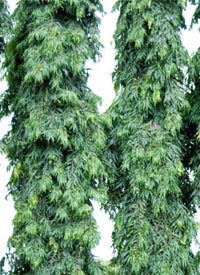 This tree is primarily found in India and is from genus Polyalthia, originally called as Asopalav Tree. It is often mistaken with the Ashoka tree, Saraca indica but is very different from it in all aspects. It has a unique feature out of which it can reduce noise pollution. Due to this feature, it is often planted in gardens or parks. It highly resembles cypress trees due to its pattern of growth that is erect pillar-like. This tree is also used for landscaping in parks or beside roads. Its flowers are apple green in color, whereas Ashoka tree flowers are red. Its fruits have only one seed, whereas the Ashoka tree has many seeds inside its fruit.
Medicinal Value of Different parts of Tree
- Bark: Febrifuge, astringent, styptic, demulcent
- Flowers: It is used as an uterine tonic
- Leaves: Used medicinally primarily due to its depurative properties
Other Names:
Hindi: Asoka
Telugu: Asokamu
Kannada: Asokada
Tamil: Asokam
Malayalam: Asokam
Sanskrit: Asokah
