

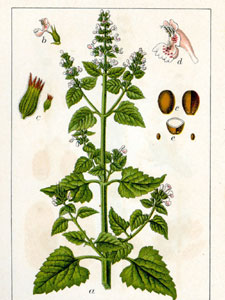
 Catnip is a perennial plant which is native to North America, Europe, Africa and Asia. It has been used as an herbal medicine from olden days. But with the availability of potent and more efficient drugs of recent times, the medicinal benefits of Catnip became less known to all. This article tries to gain insight on the medical efficacy of this herb.
What Latest Research Findings Reveal about Catnip
The latest study on this herb was carried out at the Center of Basic Research in Infectious Disease, Shiraz University of Medical Sciences, Shiraz, Iran. Scientists tried to find the benefits of the essential oil extracted from Catnip in fighting the causes of food-borne infections.
The study found that the oil had anti-microbial properties to keep the food-borne germs at bay. The results suggest that the oil can be used as a natural preservative of food products. All the findings and the methods employed to arrive at them were described in the June 2012 edition of the PubMed publication.
Health Benefits of Catnip Herb
As a member of the mint family, the leaves and flowers of this plant are well known as natural sedatives. The components of this plant can be dried and powdered and can be consumed as tea. Drinking a cup of catnip tea after a hard day at work can provide better sleep. People suffering from migraine, anxiety and insomnia can prepare this tea and drink it 2-3 times a day to naturally experience relief.
This gift of nature can serve as an alternative to the strong chemical drugs taken to treat the above mentioned conditions. These costly drugs enjoy the easy availability but are notorious for coming with several side-effects. Many people also complain of addiction to these drugs in the long run.
However, it is advised to begin the consumption of Catnip herbal tea under the supervision of the family doctor. The response of the interaction of this herb with the drug chemicals might turn out to be counterproductive. Though the herb is non-toxic by nature, children, aged people, pregnant women and people suffering from autoimmune diseases like diabetes must consult a doctor before consuming the herbal tea.
Catnip is also known for its calming effects on the nerves of the stomach. It can be used as a home remedy for cramps, hiccups, gas, nausea and colic. It can also help in strengthening the weak digestive system with repeated usage over a period of time. It is a natural antacid and provides relief to people suffering from heartburn, flatulence and Gerd. It increases the appetite too.
The leaves of this plant owing to their mint like properties can be used to treat common cold, flu and fever. Bronchial infections can also be treated using the catnip leaves.
The herb can help smokers to quit smoking and effectively deal with its notorious nicotine withdrawal effects. The mild sedative effect of the plant can produce relief from the symptoms of quitting smoking like anxiety and irritation. It can also soothe the system in patients who have been under prescription drugs for a long time to treat certain ailment.
Summary of Medicinal Benefits and Uses of Catnip
| Health Benefit / Use | Form of Use | Conditions Treated | Precautions |
|---|---|---|---|
| Natural Sedative | Tea (leaves/flowers) | Insomnia, anxiety, migraine, stress | Avoid overuse; consult doctor if on other medications |
| Digestive Aid | Tea or tincture | Gas, cramps, nausea, colic, heartburn, GERD | Not recommended for children without medical advice |
| Cold & Flu Relief | Infusion or inhalation | Common cold, fever, bronchitis | Avoid during pregnancy |
| Natural Food Preservative | Essential oil | Prevents food-borne infections (antimicrobial) | Research-based; not widely available for kitchen use yet |
| Support for Smoking Cessation | Tea / mild sedative | Nicotine withdrawal symptoms | Safe when taken moderately; doctor’s advice recommended |
| Appetite Stimulant | Oral (tea or extract) | Low appetite, weak digestion | Monitor for overconsumption; avoid in autoimmune conditions |
| Mental Calm & Stress Relief | Tea or dried herb sachet | General nervousness, emotional fatigue | Doctor consultation advised for pregnant women and elderly |
